

TL;DR:
- Regular vehicle maintenance combines manufacturer guidelines with monthly checks and thorough cleaning to prevent costly repairs and prolong lifespan. Consistently following scheduled service intervals, inspecting fluids and tires, and keeping the car clean helps detect early issues and protects resale value. Maintaining detailed records and treating cleaning as part of ongoing upkeep ensures long-term vehicle reliability and cost savings.
The best practices for car maintenance combine manufacturer-recommended service schedules with regular DIY checks and consistent cleaning to prevent costly breakdowns and extend vehicle lifespan. With the average vehicle age now 12.6 years, more Australians are holding onto their cars longer, which makes disciplined upkeep non-negotiable. A well-maintained vehicle can reach 200,000 to 300,000 miles. That outcome does not happen by accident. It happens through routine, knowledge, and the discipline to act before something breaks.
1. Best practices for car maintenance start with your owner’s manual
Your owner’s manual is the single most reliable maintenance blueprint available for your vehicle. It contains manufacturer-specified service intervals, fluid types, tyre pressures, and component replacement schedules tailored precisely to your make and model. Performing manufacturer-recommended oil and fluid changes is the most reliable way to extend vehicle lifespan, and upsell services pushed beyond what the manual specifies are often unnecessary. Read the manual before you take advice from anyone else.
2. Essential monthly checks every vehicle owner should do
Monthly checks take under 30 minutes and catch the issues that cause expensive repairs when ignored. These are the checks that form the backbone of any solid vehicle upkeep routine.
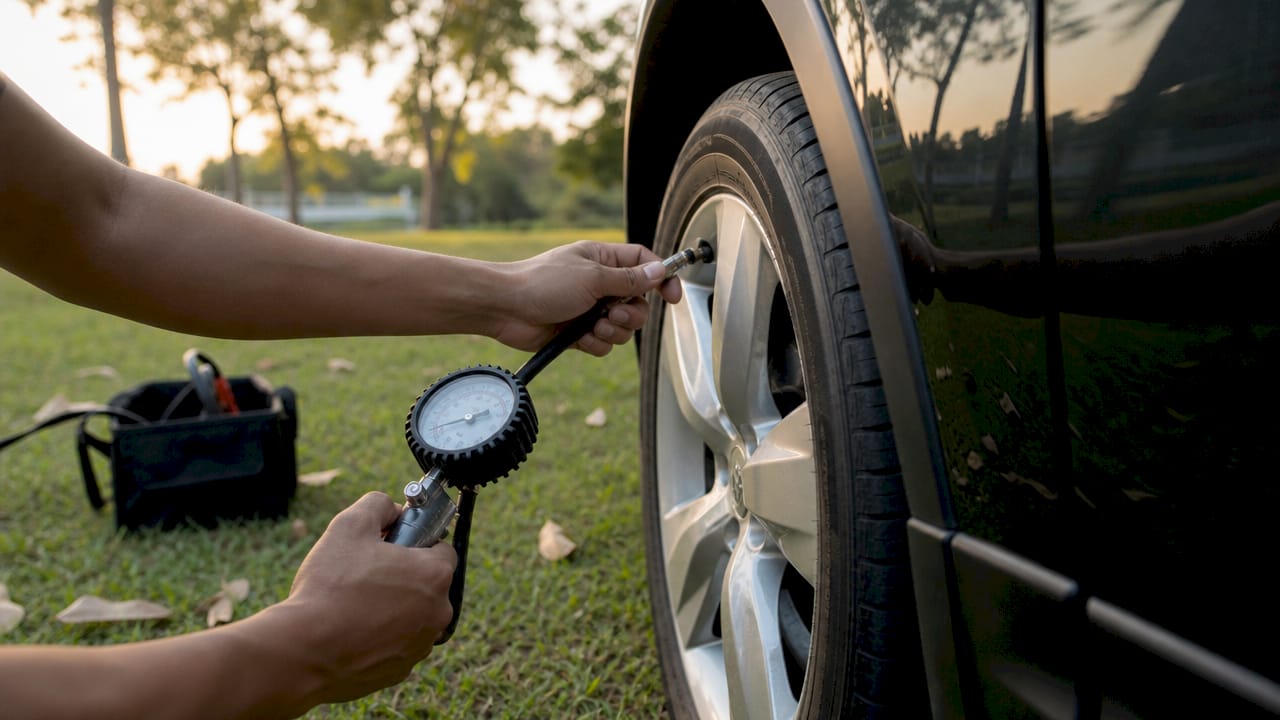
- Tyre pressure and tread depth. Under-inflated tyres wear unevenly and reduce fuel efficiency. The minimum legal tread depth in Australia is 1.5mm, though 3mm is the safer threshold for wet roads.
- Engine oil level and condition. Pull the dipstick, wipe it clean, reinsert, and read the level. One in three vehicles have dangerously low engine oil levels. Low oil is a silent engine killer.
- Coolant, brake fluid, and transmission fluid. Check each reservoir against the min/max markers. Discolouration or a burnt smell signals the fluid needs replacing, not just topping up.
- Exterior lights and wipers. Walk around the car with the lights on. Replace any blown globes immediately. Smearing wipers reduce visibility in heavy Queensland rain.
- Battery terminals. Look for white or blue corrosion around the terminals. Clean with a dry brush or a small amount of bicarbonate of soda mixed with water.
- Hoses and belts. Squeeze coolant hoses. They should feel firm, not soft or cracked. A cracked hose is a tow truck waiting to happen.
Pro Tip: Carry a quality tyre pressure gauge and a small torch in your glovebox. A two-minute check at the petrol station every fortnight costs nothing and can prevent a blowout at highway speed.
3. How service intervals protect your engine long-term
Scheduled servicing is not optional maintenance. It is the mechanism that prevents catastrophic engine failure. Oil changes typically occur every 3,000 to 10,000 miles, depending on whether your vehicle uses conventional or synthetic oil. Transmission and coolant flushes are generally required at 30,000 to 60,000 miles. Failure to replace a timing belt at the manufacturer-specified interval can destroy an engine outright, turning a $300 belt replacement into a $5,000 engine rebuild.
| Service type | Typical interval |
|---|---|
| Engine oil and filter | 5,000 to 10,000 km (synthetic) or 5,000 km (conventional) |
| Coolant flush | Every 30,000 to 60,000 miles or 2 years |
| Transmission fluid | Every 30,000 to 60,000 miles depending on use |
| Timing belt replacement | As specified in owner’s manual (commonly 60,000 to 100,000 km) |
| Spark plugs | Every 30,000 to 100,000 km depending on plug type |
“Pay now or pay more later” is the core philosophy of car maintenance. Following manufacturer schedules prevents the kind of compounding neglect that turns minor wear into major failure.
Drivers who do frequent short trips, sit in stop-and-go traffic, or drive in dusty or mountainous conditions fall into the severe driving category. These conditions degrade oil and components faster than normal driving. If your daily commute is mostly under 15 minutes, apply the severe duty schedule from your owner’s manual, not the standard one.
4. Why regular cleaning is a genuine maintenance habit
Regular car cleaning is not just cosmetic. Cleaning is one of the most effective ways to detect early paint damage, rust, and fluid leaks before they become serious problems. Salt from coastal roads and road grime accelerate corrosion on exposed metal, particularly around wheel arches, door sills, and the undercarriage. A thorough wash removes these corrosive agents before they take hold.
Waxing and polishing add a protective layer over the clear coat, slowing UV degradation and oxidation. Vacuuming the interior removes abrasive grit that grinds into carpet fibres and seat fabric over time. Regular detailing saves money and protects resale value by keeping surfaces in the condition buyers expect.
Pro Tip: When you wash your car, use it as a structured inspection. Run your hand along the lower panels to feel for bubbling paint or soft spots that indicate rust forming underneath the surface. You will catch problems months before they become visible.
Detailing also reveals issues that a quick wash misses. Removing wheels to clean behind them exposes brake dust build-up and worn brake pad indicators. Cleaning door jambs and boot seals shows cracking rubber that lets water into the cabin. Detailing for lasting value is a habit that pays for itself in avoided repairs and higher resale prices.
5. Common mistakes that lead to expensive car damage
Most vehicle damage is not caused by bad luck. It is caused by specific, avoidable errors that compound over time.
- Ignoring warning lights. A check engine light is not a suggestion. It is a signal that a sensor has detected a fault. Driving with an active warning light for weeks risks turning a minor fault into a major repair.
- Delaying oil changes past the recommended interval. Old oil loses its viscosity and lubricating properties. The result is increased friction, heat, and accelerated wear on engine components.
- Checking fluid level but not fluid condition. Fluid condition matters as much as level. Dark, gritty oil or milky coolant signals urgent service regardless of whether the reservoir reads full. Ignoring fluid quality leads to irreversible damage.
- Attempting complex repairs without the skills or tools. DIY basics are valuable, but brake system work, fuel system repairs, and air conditioning degassing require professional equipment and training. Getting these wrong creates safety risks and can void your warranty.
- Skipping tyre rotations. Front tyres on front-wheel-drive vehicles wear significantly faster than rear tyres. Rotating tyres every 10,000 km extends the life of the full set and maintains even handling.
Understanding how to cut car repair costs starts with recognising that prevention is always cheaper than repair. The vehicles that rack up enormous service bills are almost always the ones where small issues were left to grow.
6. Tools and record-keeping habits that protect your investment
A maintenance log is the cheapest insurance you can buy for your vehicle. Documenting every service date and mileage improves resale value and provides proof of consistent care that buyers and dealers trust. A detailed logbook also helps you anticipate upcoming services before they become overdue.
You do not need expensive software to do this well. A simple notebook kept in the glovebox works. Record the date, odometer reading, service performed, and any parts replaced. Apps like AutoCare or the notes function on your phone work equally well if you prefer digital records.
For DIY checks, a basic toolkit covers most monthly inspections:
- Tyre pressure gauge (digital models are more accurate than stick gauges)
- Torch for inspecting under the bonnet and around the undercarriage
- Microfibre cloths for checking oil and fluid condition on the dipstick
- Funnel for topping up fluids without spillage
- OBD2 scanner for reading check engine codes before visiting a mechanic
Pro Tip: If your vehicle is over 10 years old or regularly used for towing, short trips, or dusty driving, apply the severe duty service schedule. The standard interval assumes moderate conditions. Older and harder-working vehicles need more frequent attention to stay reliable.
Warranty compliance is another reason to keep records. Many manufacturer and aftermarket warranties require proof of serviced maintenance at specified intervals. Without documentation, a warranty claim can be denied even when the service was actually performed.
Key takeaways
Consistent, scheduled maintenance combined with monthly DIY checks is the most cost-effective way to extend vehicle lifespan and avoid expensive repairs.
| Point | Details |
|---|---|
| Follow the owner’s manual | Manufacturer schedules are the most reliable guide; avoid unnecessary upsell services. |
| Monthly checks prevent major failures | Inspect tyres, fluids, lights, and hoses every month to catch issues early. |
| Fluid condition beats fluid level | Dark or gritty oil signals urgent service regardless of the dipstick reading. |
| Cleaning is a maintenance tool | Regular washing and detailing reveals rust, leaks, and wear before they escalate. |
| Record every service | A detailed logbook improves resale value and supports warranty compliance. |
What I have learned from years of working on vehicles
The most common thing I see is owners who do everything right mechanically but completely overlook the exterior and interior as part of their maintenance routine. They change the oil on schedule, rotate the tyres, and replace the filters. Then they let salt and grime sit on the paint for months, and rust starts forming under the surface where nobody notices it until the repair bill arrives.
The vehicles that hold their value and stay reliable longest are the ones where the owner treats cleaning as seriously as servicing. A wash is not just about appearance. It is a chance to put your hands on the car and notice what has changed since last time. A new rattle, a soft spot in the paint, a brake dust build-up that was not there before. These are the signals that prevent expensive surprises.
My honest recommendation is to start with the basics and do them consistently. Get the oil changed on time. Check your tyres monthly. Wash the car properly every two to three weeks. Keep a log. These habits cost very little and prevent the kind of compounding neglect that turns a $200 service into a $3,000 repair. The owners who complain about expensive car problems are almost always the ones who skipped the boring stuff.
— isaac’s
Keep your vehicle protected with professional detailing
Professional detailing is the part of vehicle upkeep most owners underestimate until they see the difference it makes.

At Com, we bring a fully mobile detailing service directly to your home, workplace, or wherever suits you across the Sunshine Coast. Our mobile detailing workflow covers everything from deep interior extraction and exterior cut and polish to ceramic coatings that protect your paint from UV, salt, and road grime for years. Regular professional detailing does not just make your car look better. It protects the surfaces that hold your vehicle’s value and gives you a trained set of eyes on the condition of your car every visit. Book with Com today and make detailing part of your maintenance routine.
FAQ
How often should I check my car’s fluid levels?
Check engine oil, coolant, and brake fluid at least once a month. Vehicles used for frequent short trips or in dusty conditions should be checked more often.
What happens if I skip a timing belt replacement?
A worn or broken timing belt causes immediate and often catastrophic engine damage. Replace it at the interval specified in your owner’s manual, typically between 60,000 and 100,000 km.
Is car washing really part of maintenance?
Yes. Regular cleaning detects early issues like rust, paint damage, and leaks that are invisible under grime. It also removes corrosive salt and road chemicals that accelerate metal deterioration.
What is a severe duty service schedule?
Severe duty applies to vehicles used for short trips, towing, stop-and-go traffic, or dusty and mountainous driving. These conditions require more frequent servicing than the standard manufacturer schedule.
Should I keep a car maintenance logbook?
A logbook documenting every service date and odometer reading improves resale value, supports warranty claims, and helps you anticipate upcoming services before they become overdue.