
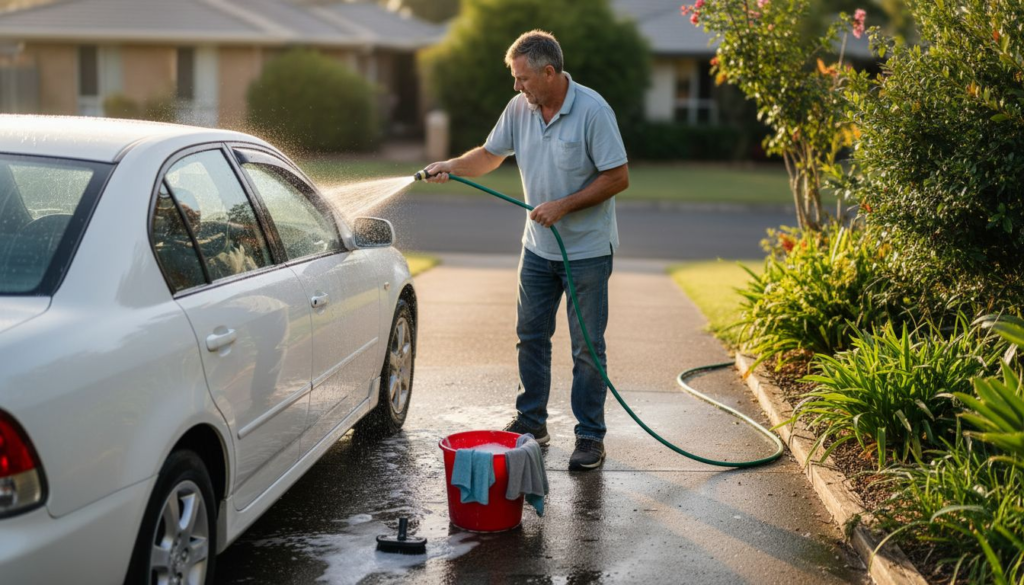
Many Sunshine Coast car owners unintentionally damage their vehicle’s finish or harm the environment when detailing at home. Without a structured approach, harsh chemicals seep into local waterways, and improper techniques create swirl marks and scratches. This guide provides a clear, eco-conscious workflow to detail your car effectively using biodegradable products, efficient water-saving methods, and protective coatings that deliver professional results while safeguarding your vehicle and the Sunshine Coast environment.
Table of Contents
- Prerequisites And What You Need
- Step 1: Pre-Wash And Initial Cleaning
- Step 2: Washing With Eco-Friendly Products
- Step 3: Drying Process
- Step 4: Interior Cleaning And Protection
- Step 5: Protective Coatings Application
- Common Mistakes And Troubleshooting
- Expected Timelines And Outcomes
- Safety Considerations And Eco-Friendly Disposal
- Discover Professional Mobile Detailing For Busy Sunshine Coast Residents
- Frequently Asked Questions About Home Car Detailing On The Sunshine Coast
Key Takeaways
| Point | Details |
|---|---|
| Efficient workflow prevents damage and protects environment | Following step-by-step process reduces paint scratches and chemical runoff into local waterways. |
| Biodegradable soaps cut harmful runoff by 70% | Using eco-friendly products significantly reduces water contamination compared to traditional detergents. |
| Proper drying with microfiber towels avoids water spots | Blotting instead of rubbing prevents micro-scratches and protects paint finish. |
| Interior and protective coating steps prolong vehicle lifespan | Non-toxic cleaners and ceramic coatings maintain surfaces and extend protection up to 2 years. |
| Following safety and disposal guidelines reduces ecological footprint | Proper waste disposal and PPE use safeguard health and environment. |
Prerequisites and What You Need
Before you start detailing, assembling the right tools and preparing your workspace ensures efficiency and protects your vehicle. Effective home car detailing begins with gathering proper tools, including microfiber cloths, pH-neutral cleaners, buckets, sponges, and eco-friendly soaps, ensuring all are clean to prevent scratches. The Sunshine Coast climate demands specific considerations to achieve optimal results without environmental harm.
Your essential toolkit should include:
- Clean microfiber towels and wash mitts in various sizes
- Two buckets with grit guards to trap dirt particles
- Biodegradable, pH-neutral car wash soap
- Non-toxic interior cleaners for fabric and leather
- Ceramic coating kit with applicator pads
- Soft bristle brushes for wheels and trim
- Spray bottles for diluting products
- Personal protective equipment: gloves, mask, safety glasses
Workspace preparation matters immensely for Sunshine Coast conditions. Choose a shaded, well-ventilated area with reliable water access to prevent soap drying on surfaces. Direct sunlight accelerates product evaporation and causes streaking. Inspect your vehicle thoroughly before starting to identify heavy dirt accumulation, existing scratches, or damage requiring special attention.
Using essential car detailing tips for Sunshine Coast drivers helps you adapt techniques to local humidity and salt air exposure. Understanding mobile car detailing benefits on the Sunshine Coast can inform your approach even when working at home. For families balancing busy schedules, exploring interior detailing steps for busy Sunshine Coast families provides time-saving strategies. The ultimate guide to detailing a car at home offers comprehensive preparation insights.
Step 1: Pre-Wash and Initial Cleaning
With your tools assembled, the first actionable step removes loose dirt safely before touching your vehicle’s paint. Skipping pre-wash increases scratch risk dramatically because abrasive particles remain on the surface. Effective home car detailing requires removing debris before washing to prevent scratching.
Follow this pre-wash sequence:
- Start with a gentle water spray on the roof to rinse loose dirt downward
- Work systematically from top to bottom, rinsing each panel thoroughly
- Pay extra attention to wheel wells, undercarriage edges, and grilles where debris accumulates
- Avoid high-pressure sprays that can drive dirt into paint or chip vulnerable areas
- Let water run off naturally for 30 seconds before proceeding
The rationale behind this sequence is gravity. Rinsing from top to bottom prevents recontaminating cleaned areas. High-pressure washers seem efficient but often force particles into paint pores, creating micro-scratches invisible to the naked eye yet damaging over time.
Pro Tip: Use a foam cannon attachment if available to apply a thick layer of pre-wash soap that clings to vertical surfaces, loosening dirt without physical contact.
Understanding the mobile car detailing workflow helps you appreciate why professionals never skip pre-wash steps. For detailed pre-wash instructions, review comprehensive guides that emphasize debris removal first.
Step 2: Washing with Eco-Friendly Products
After rinsing loose dirt, an eco-conscious wash using biodegradable products protects your car’s finish and the Sunshine Coast environment. Traditional detergents contain phosphates and harsh chemicals that damage paint sealants and contaminate local waterways when rinsed away. Using biodegradable car wash soaps reduces harmful chemical runoff by over 70% compared to conventional products.
Implement the two-bucket method to minimize recontamination:
- Fill one bucket with diluted biodegradable soap solution
- Fill the second bucket with clean rinse water
- Place grit guards in both buckets to trap dirt at the bottom
- Dip your wash mitt in soapy water, wash one panel
- Rinse the mitt thoroughly in clean water before returning to soap bucket
- Replace rinse water when it becomes visibly dirty
This technique prevents dirt particles from transferring back onto your vehicle. The grit guard acts as a barrier, keeping contaminants settled below the water line where your mitt cannot pick them up again.
| Factor | Traditional Detergent | Biodegradable Soap |
|---|---|---|
| Paint damage risk | High due to harsh chemicals | Minimal, pH-neutral formula |
| Environmental impact | Contaminates waterways | 70% less harmful runoff |
| Rinse efficiency | Requires more water | Rinses easily, saves water |
| Cost per wash | Lower upfront | Comparable long-term |
To minimize chemical runoff, wash your car on permeable surfaces like grass or gravel where soil can filter water naturally. Avoid driveways that drain directly into storm systems. Collect excess water when possible for garden irrigation after confirming soap safety for plants.
Explore car detailing with eco-friendly products to understand product selection better. Learn about environmental benefits of biodegradable soaps and their impact on Australian ecosystems.
Step 3: Drying Process
Now that your car is washed, proper drying prevents water spots and micro-scratches that diminish your hard work. Water contains minerals that etch into paint as droplets evaporate, leaving permanent marks if not removed promptly. Microfiber towels absorb water efficiently without scratching when used correctly.
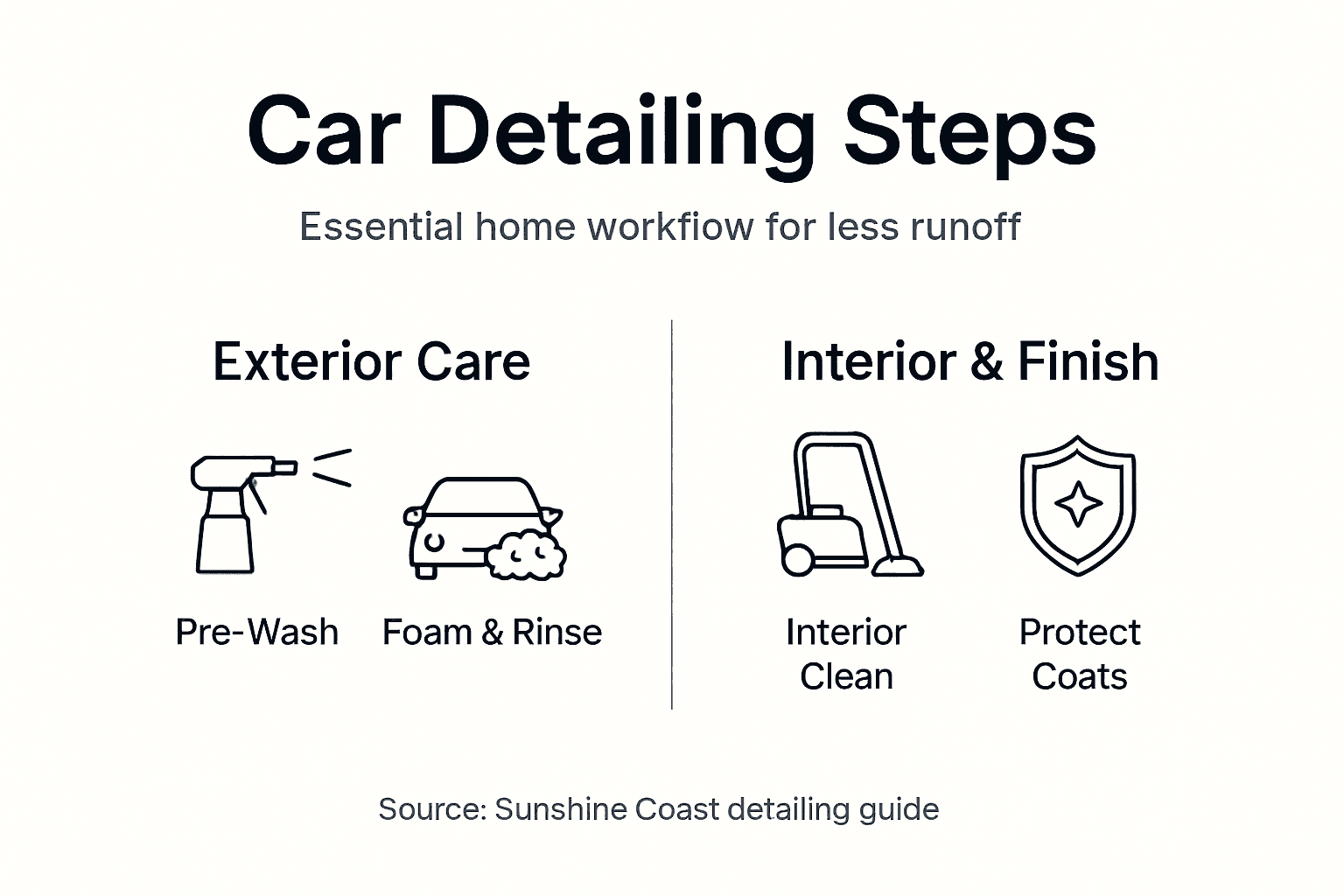
Use clean, dedicated microfiber drying towels exclusively. Follow a top-to-bottom sequence to avoid recontaminating cleaned areas. Gently blot surfaces instead of rubbing to reduce micro-scratch risk. Fold towels into quarters to provide eight clean surfaces per towel, rotating to a fresh side frequently.
| Method | Water Spot Risk | Scratch Risk | Drying Speed | Best Use |
|---|---|---|---|---|
| Air drying | Very high | Low | Slow (60+ min) | Never recommended |
| Microfiber towel | Very low | Very low (if clean) | Fast (10-15 min) | All vehicles |
| Chamois leather | Medium | Medium | Medium (20 min) | Traditional preference only |
| Leaf blower | Low | Very low | Fast (10 min) | Crevices, grilles |
Air drying seems convenient but guarantees water spots as mineral-laden droplets evaporate slowly. The Sunshine Coast’s humid climate exacerbates this issue. Chamois leather was popular historically but traps particles that scratch paint if not cleaned meticulously between uses.
Pro Tip: Keep one set of drying towels exclusively for paint surfaces and another set for wheels, door jambs, and trim to prevent cross-contamination of brake dust or road grime.
For comprehensive drying techniques, explore professional methods that eliminate water spots completely. Understanding proper drying separates amateur results from professional finishes.
Step 4: Interior Cleaning and Protection
With the exterior spotless, gently but effectively clean and protect your car’s interior using non-toxic products. Interior surfaces accumulate dust, allergens, spills, and UV damage that degrade materials over time. Harsh chemical cleaners leave residues that off-gas in confined spaces, affecting air quality and health.
Select biodegradable interior cleaners formulated specifically for automotive fabrics and leather. These products clean effectively without stripping protective coatings or leaving sticky residues. For fabric seats and carpets, vacuum thoroughly first to remove loose debris, then apply cleaner with a soft brush, working in small sections. Blot stains immediately with clean microfiber cloths rather than rubbing, which spreads stains deeper into fibers.
Common stain removal techniques include:
- Coffee and beverage stains: Apply diluted cleaner, let sit 2 minutes, blot gently
- Grease or oil marks: Use a small amount of biodegradable degreaser, blot immediately
- Mud and dirt: Allow to dry completely, vacuum, then treat remaining residue with cleaner
- Pet hair: Use rubber gloves or squeegees to gather hair before vacuuming
Natural odor elimination surpasses chemical air fresheners that mask smells temporarily. Place open containers of baking soda under seats overnight to absorb odors. For persistent smells, consider professional ozone treatment alternatives that sanitize without harsh chemicals. Ventilate your vehicle thoroughly after cleaning to remove moisture and prevent mold growth in the humid Sunshine Coast climate.
Protect fabrics and leather with eco-safe conditioners that create barriers against UV damage and spills. Apply leather conditioner every three months to maintain suppleness and prevent cracking. Fabric protectors repel liquids, making future cleaning easier while extending material lifespan.
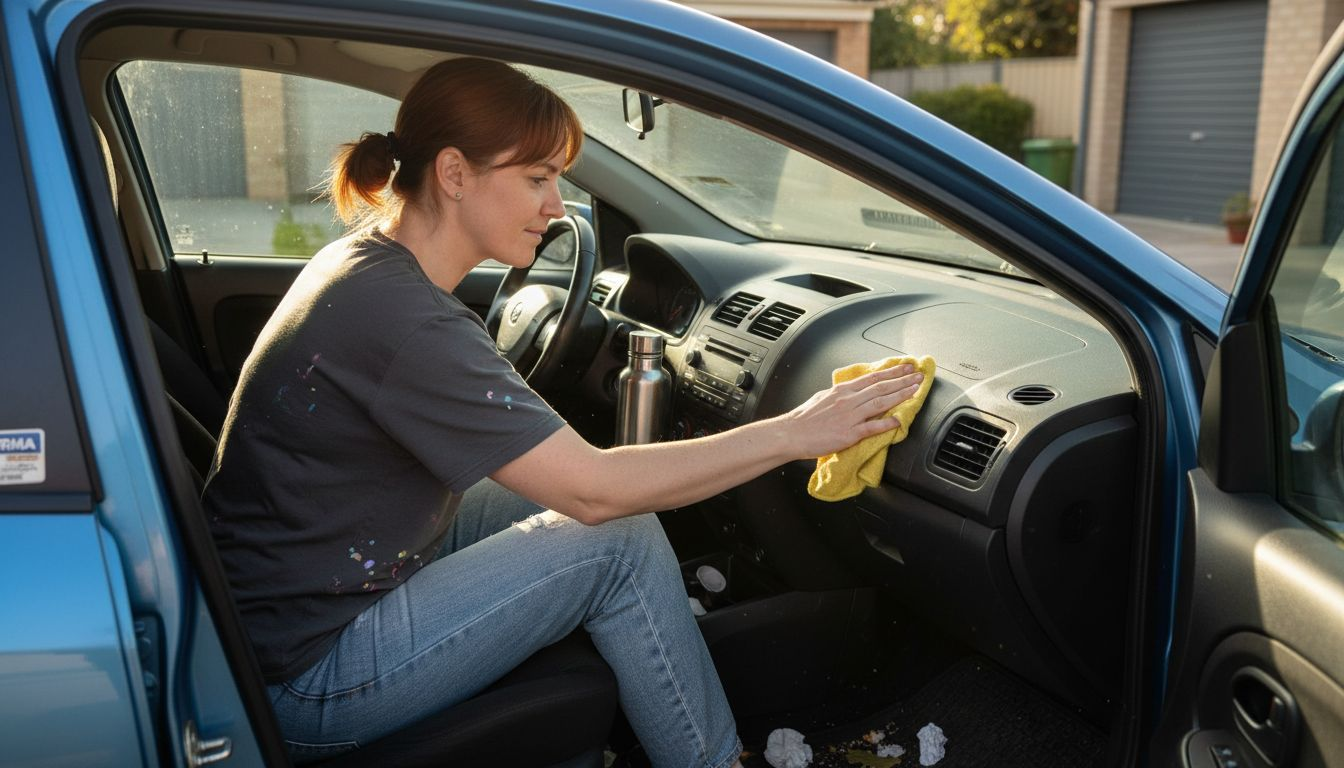
Discover eco-friendly interior cleaning methods tailored for Sunshine Coast vehicles. Proper interior care maintains resale value and creates a healthier driving environment for you and your passengers.
Step 5: Protective Coatings Application
Finally, apply protective coatings with careful preparation to keep your car looking pristine longer. Ceramic coatings create a durable, hydrophobic layer that repels water, dirt, and UV rays, reducing maintenance frequency significantly. While professional application offers perfect results, you can achieve excellent outcomes at home following proper procedures.
Surface preparation determines coating success:
- Wash and dry the vehicle completely using methods described earlier
- Decontaminate paint with a clay bar to remove embedded particles
- Inspect for contaminants by running your hand over the surface; it should feel glass-smooth
- Polish any scratches or swirl marks before coating to ensure a flawless base
- Wipe surfaces with isopropyl alcohol to remove oils and residues
- Work in a shaded, dust-free environment with stable temperature
Ceramic coatings offer impressive benefits when applied correctly. Protection lasts up to 2 years with proper maintenance, far exceeding traditional wax that degrades within weeks. The hydrophobic effect causes water to bead and roll off, carrying dirt away and simplifying future cleaning. UV protection prevents oxidation and fading, particularly valuable in the Sunshine Coast’s intense sunlight.
Safety measures during application:
- Wear nitrile gloves to prevent skin contact with coating chemicals
- Use a respirator mask in enclosed spaces to avoid inhaling fumes
- Ensure excellent ventilation; work outdoors or in a garage with open doors
- Follow manufacturer cure times precisely; rushing compromises durability
- Protect surrounding areas from overspray or drips
The trade-off involves time investment versus maintenance frequency. Applying coating takes 3 to 4 hours initially, but you will wash your car less often and spend less time per wash due to the self-cleaning properties. Future maintenance requires only pH-neutral soap and water, eliminating the need for waxing.
Learn to apply ceramic coatings at home with detailed application guides. Understanding coating chemistry helps you achieve professional results and maximize protection lifespan.
Common Mistakes and Troubleshooting
Even with a structured workflow, mistakes happen. Recognizing common errors helps you avoid damage and maximize results. Most detailing failures stem from rushing steps or using inappropriate products.
Frequent mistakes include:
- Using harsh detergents or household cleaners damages paint sealants and strips protective layers; always use pH-neutral, biodegradable car wash soap formulated for automotive finishes
- Skipping the pre-wash step leads to swirl marks and scratches as abrasive particles remain on the surface; never touch paint without rinsing loose dirt first
- Using dirty, rough, or improper towels causes micro-scratches invisible initially but compounding over time; dedicate clean microfiber towels exclusively for car detailing and wash them separately
- Applying ceramic coating without proper surface preparation results in poor adhesion and premature failure; always decontaminate, polish, and clean with isopropyl alcohol before coating
- Neglecting personal protective equipment and ventilation risks chemical exposure and respiratory irritation; wear gloves, masks, and work in well-ventilated areas always
Corrective actions vary by mistake severity. For swirl marks from improper washing, professional paint correction or polishing restores the finish. Water spots from inadequate drying sometimes respond to specialized removers, but prevention through proper technique remains easiest. Coating failures require complete removal and reapplication, wasting time and money.
Avoid these pitfalls by following each step methodically and never rushing. Quality detailing rewards patience and attention to detail. Review common car detailing mistakes to learn from others’ experiences and refine your technique continuously.
Expected Timelines and Outcomes
Knowing common mistakes helps prevent delays. Understanding time investment and realistic results helps you plan detailing sessions effectively. Timeline expectations vary based on vehicle size, condition, and chosen service level.
A basic exterior clean typically requires 2 hours for an average sedan, including pre-wash, washing, and drying. Adding interior cleaning extends the timeline to 3 hours. A full detail incorporating protective coatings takes 4 to 5 hours, with most time dedicated to surface preparation and coating cure periods. Larger vehicles like SUVs or trucks add 30 to 60 minutes to each estimate.
Expected outcomes from following this workflow:
- Swirl mark-free, scratch-free paint surfaces reflecting light uniformly
- Water spot-free finish with deep gloss and color depth
- Refreshed interior free from stains, odors, and allergens
- Hydrophobic coating that beads water and repels dirt
- Protected surfaces resistant to UV damage and environmental contaminants
Long-term benefits justify the initial time investment. Ceramic coatings maintain protection for up to 2 years with proper maintenance, reducing wash frequency from weekly to biweekly or monthly. Paint remains in better condition, preserving resale value. Interior materials last longer when protected from UV exposure and regular deep cleaning.
Track success metrics to refine your approach:
- Water beading test: after coating, water should form tight beads that roll off easily
- Visual inspection: examine paint under direct light for swirl marks or water spots
- Touch test: surfaces should feel smooth and slick after decontamination
- Longevity: note how long surfaces stay clean between washes
Adjust your maintenance frequency based on exposure conditions. Vehicles parked outdoors require more frequent attention than garaged cars. Coastal proximity increases salt exposure, demanding more vigilant care.
Explore typical home car detailing timeframes and compare DIY timelines against professional services. Understanding the time commitment helps you decide when to detail yourself versus hiring experts.
Safety Considerations and Eco-Friendly Disposal
After detailing and timeline planning, ensure your health and the environment stay protected through proper safety measures and waste disposal. Chemical exposure and improper disposal harm ecosystems and violate environmental regulations.
Always work in well-ventilated areas, preferably outdoors or in garages with open doors and cross-ventilation. Ceramic coating fumes contain volatile organic compounds that irritate respiratory systems and cause headaches when inhaled in concentration. Wear nitrile gloves when handling cleaning products and coatings to prevent skin absorption. Safety glasses protect eyes from splashes during application.
Dispose of used soaps, residues, and contaminated materials according to local Sunshine Coast waste management guidelines:
- Never pour wash water containing cleaners directly into storm drains; these drain to waterways without treatment
- Wash vehicles on permeable surfaces where soil filters water naturally
- Collect and dispose of used coating applicators, contaminated towels, and empty product containers at designated hazardous waste facilities
- Dilute biodegradable soaps significantly before disposing of rinse water on landscaping
- Recycle plastic bottles and containers when possible
Use biodegradable materials whenever available. These products break down naturally without releasing persistent chemicals into the environment. Choose concentrated formulas that reduce packaging waste and transportation emissions. Reusable microfiber towels eliminate disposable paper towel waste entirely.
Proper personal protective equipment and responsible waste disposal protect your health and safeguard the Sunshine Coast’s pristine waterways and ecosystems. Investing in safety measures prevents long-term health consequences and environmental damage that far outweigh the minor cost and inconvenience.
Your commitment to eco-friendly detailing practices sets an example for others and contributes to preserving the natural beauty that makes the Sunshine Coast special. Small actions compound over time, creating meaningful environmental impact when adopted widely.
Discover Professional Mobile Detailing for Busy Sunshine Coast Residents
While this guide equips you to detail your car effectively at home, professional mobile detailing offers expertise, convenience, and time savings that complement your DIY efforts. Isaac’s Pro Detailing brings premium, eco-friendly car care directly to your location, whether at home, work, or the beach.
Professional detailers possess specialized tools, premium products, and years of experience achieving flawless results efficiently. They handle complex tasks like paint correction, ceramic coating application, and odor elimination that require professional-grade equipment. For busy Sunshine Coast residents balancing work, family, and leisure, mobile services eliminate the time commitment of DIY detailing while ensuring expert care.
Explore tailored packages designed to meet diverse needs and budgets. Whether you need a quick refresh between comprehensive details or full paint protection, professional services adapt to your schedule and preferences. Understanding the mobile car detailing workflow helps you appreciate the expertise professionals bring. For deep interior care, review the professional interior cleaning guide showcasing advanced techniques.
Contact Isaac’s Pro Detailing mobile services to book an appointment or discuss customized solutions for your vehicle. Combining DIY maintenance with periodic professional detailing maximizes your car’s appearance and protection while respecting your time.
Frequently Asked Questions about Home Car Detailing on the Sunshine Coast
What is the best time of day to detail my car on the Sunshine Coast?
Detail your car in early morning or late afternoon to avoid direct sunlight and peak heat. Direct sun causes products to dry too quickly, creating streaks and making removal difficult. Cooler temperatures and shade ensure even application and prevent premature evaporation.
Can I use regular household soap if I don’t have car wash soap?
No, household soaps contain harsh chemicals and incorrect pH levels that strip protective wax, damage paint sealants, and harm the environment. Always use pH-neutral, biodegradable car wash soap formulated specifically for automotive finishes to protect your investment.
How often should I detail my car at home?
Detail your car every 4 to 6 weeks for regular maintenance in typical conditions. Increase frequency to every 2 to 3 weeks if your vehicle faces high exposure to salt air, direct sun, or frequent driving. Ceramic coatings extend intervals between full details significantly.
Is it safe to apply ceramic coating myself?
Yes, you can safely apply ceramic coating at home if you carefully follow surface preparation steps and application instructions. Wear proper PPE including gloves and respirator mask, work in well-ventilated areas, and allow adequate cure time. Rushing or skipping steps compromises results.
How do I dispose of leftover wash water and materials safely?
Dispose of wash water on permeable surfaces like grass or gravel where soil naturally filters contaminants, never into storm drains that flow directly to waterways. Take used coating applicators, contaminated towels, and chemical containers to designated hazardous waste facilities following local Sunshine Coast guidelines.
Does ceramic coating eliminate the need for regular washing?
No, ceramic coating significantly reduces wash frequency and simplifies cleaning, but regular washing remains necessary. The hydrophobic properties cause dirt to bead and roll off, but dust, bird droppings, and other contaminants still accumulate and require removal to maintain appearance and protection.