
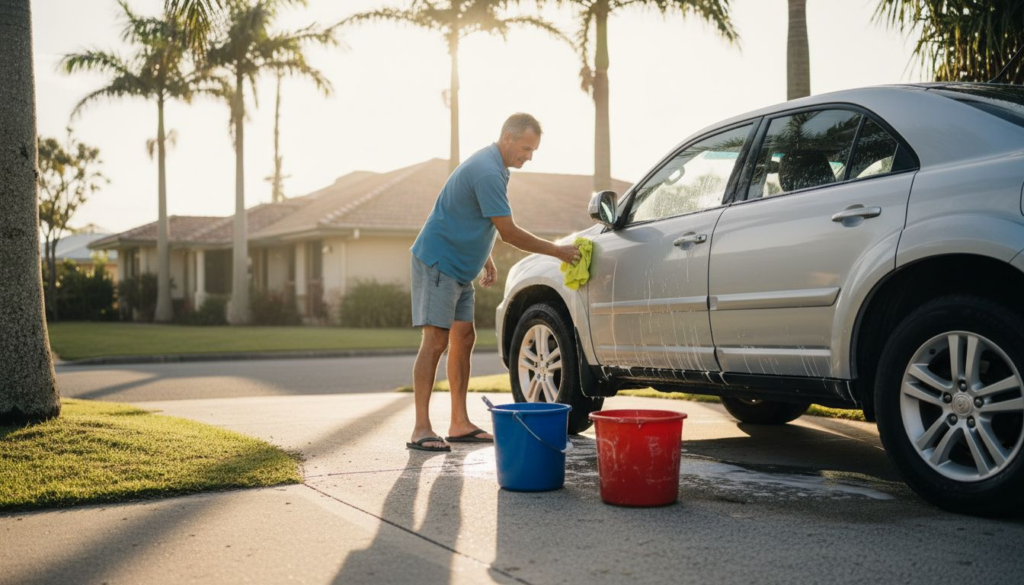
Living on the Sunshine Coast means your car faces salt spray, dust, and coastal grime every day. Keeping your vehicle clean and comfortable can feel like a challenge, especially with busy schedules and pets in tow. Finding safe, effective ways to maintain your car’s appearance and hygiene is vital for your family’s health and the environment you call home.
This list gives you straightforward tips proven to work in Australian conditions. You’ll learn practical cleaning steps, eco-friendly product choices, and clever techniques for tackling pet hair, odours, and tough contaminants. Each insight helps you protect your vehicle, your loved ones, and the coastal surroundings you enjoy.
Discover what really works for Sunshine Coast drivers. From thorough rinsing and safe cleaning ingredients to interior detailing and paint protection, these actionable ideas give you results without guesswork. Your car’s next deep clean starts here.
Table of Contents
- 1. Start With A Thorough Rinse To Remove Surface Dirt
- 2. Use Eco-Friendly Products For Safe, Fresh Results
- 3. Pay Attention To Interior Detailing And Pet Hair Removal
- 4. Protect Your Paint With Regular Polishing And Coatings
- 5. Keep Leather And Fabric Seats Clean And Conditioned
- 6. Maintain A Healthy Cabin With Odour And Bacteria Control
Quick Summary
| Key Insight | Explanation |
|---|---|
| 1. Rinse Before Detailing | A thorough rinse removes dirt, preventing scratches during the detailing process. Prioritise this step to protect your vehicle’s paint. |
| 2. Use Eco-Friendly Products | Eco-friendly cleaning products are effective while safeguarding your family and the environment. Choose biodegradable and sustainable options when detailing. |
| 3. Regular Interior Detailing | Regularly detail your interior, especially if transporting pets or children, to maintain hygiene and comfort. Focus on removing pet hair and hidden debris. |
| 4. Protect Paint with Coatings | Regular polishing followed by protective coatings defends against environmental damage. This maintenance prolongs your car’s appearance and value. |
| 5. Control Cabin Odours and Bacteria | Regular odour control ensures a healthy cabin environment. Address sources of contamination directly for effective results, maintaining comfort during drives. |
1. Start With a Thorough Rinse to Remove Surface Dirt
Before you apply any cleaning products or grab a cloth, your car needs a proper initial rinse. This first step removes loose dirt, dust, and contaminants that could scratch your paint during deeper cleaning.
Think of it like this: washing your hands before handling food. You wouldn’t dive straight into detailed work without clearing away the obvious grime first. The same principle applies to car detailing on the Sunshine Coast, where salt spray, coastal dust, and everyday road debris accumulate on your vehicle’s surface.
Why the rinse matters
Loose dirt particles are tiny abrasives waiting to damage your paint. When you wipe or polish without rinsing first, you’re essentially dragging sandpaper across your clear coat. A thorough rinse eliminates this risk by washing away surface contaminants before any contact cleaning begins.
According to thorough rinsing practices in occupational hygiene, a comprehensive rinse is crucial for reducing micro-abrasion and preventing contaminant exposure. This same principle protects your vehicle’s finish from unnecessary damage.
A proper initial rinse prevents you from grinding loose dirt into your paint during the detailing process.
How to rinse effectively
Start from the top of your vehicle and work downward, allowing water to flow naturally and carry dirt away. Use moderate water pressure, not maximum—high pressure can force water into seals and trim gaps. Rinse the wheels separately, as they accumulate heavier brake dust and road grime.
Key areas to focus on:
- Roof and bonnet (where dust settles)
- Windows and trim (where dirt collects)
- Wheel wells and undercarriage (heavy contamination zone)
- Door jambs and gaps (often overlooked)
The entire process takes 5-10 minutes depending on your vehicle size and contamination level. For busy Sunshine Coast professionals juggling work and family responsibilities, this simple step saves time later by reducing scrubbing during the main detail.
The Sunshine Coast advantage
Our coastal climate means salt spray deposits on your vehicle regularly. An initial thorough rinse removes this salt before it bonds permanently to your paint. This is particularly important if your car spends time near beaches or coastal areas.
Drying after the rinse is optional—moving straight into detailed cleaning works fine. The important thing is that loose contaminants are gone before you begin more intensive work.
Pro tip: Rinse on an overcast day or in early morning when temperatures are cooler, preventing water spots from drying too quickly on hot paint.
2. Use Eco-Friendly Products for Safe, Fresh Results
Choosing eco-friendly cleaning products transforms your car detailing routine from harmful to sustainable. These products clean effectively whilst protecting your family, pets, and the Sunshine Coast environment you enjoy.
As a busy professional or parent with pets, you already care about what touches your home and family. The same consideration applies to your vehicle, where traditional chemicals linger on surfaces your family contacts daily.
What eco-friendly really means
Eco-friendly products comprise ingredients and packaging designed to minimise negative environmental impacts. This means biodegradable formulas that break down naturally and sustainable packaging that reduces plastic waste. It’s not just marketing speak—it’s a measurable commitment to reducing harm.
Traditional car detailing chemicals often contain harsh solvents and toxins that wash into our waterways. The Sunshine Coast’s pristine beaches and marine ecosystems depend on protecting coastal water quality. Your choice of cleaning products directly affects this.
Eco-friendly products clean your car effectively whilst protecting the coastal environment that makes living here special.
Benefits beyond environmental impact
These products deliver practical advantages for your household:
- Safer around pets and children who touch your vehicle regularly
- Reduced chemical odours that linger in confined spaces
- Better skin compatibility if you handle or sit in the car during or after cleaning
- Equally effective cleaning without harsh fumes or residue
- Sustainable packaging reduces household waste
Many eco-friendly formulations are concentrated, meaning less packaging overall and better value over time.
Understanding the limitations
Eco-friendly doesn’t mean weaker. However, some specialised tasks like severe contamination removal may require targeted solutions. The key is choosing products that balance performance with environmental responsibility.
Biodegradable formulas work brilliantly for routine cleaning, interior maintenance, and protective treatments. They’re the right choice for 90 percent of car detailing work. Look for products certified as truly biodegradable rather than just “natural-sounding.”
Reducing plastic waste at home
Single-use plastics and eco-friendly alternatives are a critical environmental concern. When purchasing eco products, prioritise concentrated formulas in recyclable containers or refillable bottles. This approach reduces plastic consumption significantly.
Many detailing services, including mobile professionals, now use eco-certified products exclusively. Asking about product choices when booking shows that environmental responsibility matters to you.
Pro tip: Purchase eco-friendly products in bulk or concentrated forms to minimise packaging waste and save money whilst maintaining your vehicle sustainably.
3. Pay Attention to Interior Detailing and Pet Hair Removal
Your car’s interior tells the real story of how you live. If you’re a pet owner or regularly transport family, the cabin needs serious attention during detailing.
Pet hair embeds itself into fabric fibres, seat crevices, and air vents with surprising stubbornness. A thorough interior detail removes what vacuuming alone never catches, restoring comfort and hygiene for you and your passengers.
Why interior detailing matters
The interior is where you spend time with your family and pets daily. Dust, pet hair, and contaminants accumulate in places you can’t see, affecting air quality and comfort. Professional interior detailing addresses these hidden problem areas effectively.
Following comprehensive interior cleaning techniques ensures every surface and crevice receives proper attention. This goes far beyond a quick vacuum, targeting seat fibres, carpets, door panels, and ventilation systems.
A clean interior isn’t just about appearance—it’s about creating a healthy, comfortable environment for your family.
Pet hair removal challenges
Pet hair presents unique challenges because it clings to fabric through static and friction. Standard vacuuming often leaves 30-50 percent of hair behind, especially in woven seats and floor mats. This residual hair traps odours and attracts allergens.
Professional detailers use specialised equipment and techniques to extract embedded pet hair completely. These methods include:
- Extraction equipment that lifts fibres and removes trapped hair
- Targeted vacuuming in crevices and seams where hair collects
- Fabric conditioning that releases hair from fibres naturally
- Odour treatment to eliminate pet-related smells
Health and hygiene considerations
Pet owners know that responsible pet management includes maintaining clean environments for both animals and humans. Regular interior detailing supports this responsibility by removing allergens and bacteria that accumulate from pet travel.
Families with pets or allergies benefit significantly from professional interior cleaning. It reduces allergen exposure and improves air quality inside your vehicle, which matters during long drives with children.
Targeting specific problem areas
Different areas need different approaches. Leather seats require gentle extraction, whilst fabric seats benefit from deep fibre brushing. Floor mats and under-seat areas trap the most hair and need dedicated attention.
Door panels, air vents, and dashboard surfaces also collect pet hair and dust. A complete interior detail addresses all these zones systematically, not just the obvious seating areas.
Pro tip: Schedule interior detailing every 3-4 months if you regularly transport pets, preventing heavy hair buildup and reducing odours before they become problematic.
4. Protect Your Paint With Regular Polishing and Coatings
Your car’s paint faces constant assault from the Sunshine Coast environment. UV rays, salt spray, bird droppings, and oxidation work together to degrade your finish. Regular polishing and protective coatings act as armour against these threats.
Think of paint protection like sunscreen for your vehicle. Without it, damage accumulates gradually and becomes expensive to repair. With it, your car maintains its appearance and value for years longer.
Understanding paint damage
Polish removes a microscopic layer of clear coat to smooth imperfections and restore shine. This sounds counterintuitive, but it’s strategic maintenance that reverses minor damage caused by swirl marks, oxidation, and environmental contaminants. Done correctly, it actually improves paint longevity.
Coatings then seal the freshly polished surface, creating a protective barrier against future damage. Modern protective coatings range from traditional wax to advanced ceramic formulas that last significantly longer.
Regular polishing removes damage before it becomes permanent, while coatings prevent new damage from starting.
Why the Sunshine Coast demands extra protection
Our coastal climate accelerates paint degradation. Salt spray corrodes clear coat, UV rays fade pigment, and humidity promotes oxidation. These factors combined mean Sunshine Coast vehicles need more frequent protective treatments than inland counterparts.
Polishing every 6-12 months addresses accumulating damage proactively. Coatings applied after polishing extend protection intervals, reducing overall maintenance needs.
Types of protective coatings
Different coatings offer varying levels of protection and longevity:
- Traditional wax provides 2-3 months of protection, requires frequent reapplication
- Sealants last 4-6 months with better durability than wax
- Ceramic coatings deliver 12-24 months of protection with superior hardness
- Professional-grade products often exceed 2 years, especially with proper maintenance
Modern protective coating technologies provide hardness and durability that previous generations couldn’t achieve. These advanced formulas bond chemically to your paint, creating a semi-permanent shield.
The polishing process explained
Professional polishing uses compound and machines to level the clear coat surface. This removes scratches, water spots, and oxidation that dull your paint. The result is deeper colour and mirror-like reflection.
After polishing, your paint is primed for coating application. The clean, smooth surface allows coatings to bond effectively, maximising their protective lifespan.
Maintenance between treatments
Regular washing reduces the load on your protective coating. Gentle hand washing every 2-3 weeks removes contaminants that would otherwise degrade protection faster. Avoid automated car washes that can scratch coated surfaces.
Pro tip: Apply protective coatings after spring and before summer on the Sunshine Coast to guard against peak UV exposure and salt spray during warmer months.
5. Keep Leather and Fabric Seats Clean and Conditioned
Your car’s seats endure constant use from family, pets, and the intense Sunshine Coast sun. Whether leather or fabric, they deserve regular cleaning and conditioning to maintain comfort, appearance, and longevity.
Neglected seats deteriorate quickly. Leather cracks, fabric fades and stains, and both accumulate odours that become increasingly difficult to remove. A proper maintenance routine prevents these problems before they start.
Why conditioning matters for leather
Leather is a natural material that loses moisture over time, especially under intense UV exposure. This drying causes cracking and brittleness. Conditioning replenishes oils and moisture, keeping leather supple and preventing permanent damage.
Proper leather care and conditioning maintains durability and appearance whilst preventing the deterioration that occurs in harsh sunlight environments. Think of it like moisturising your skin after sun exposure, except for your seats.
Conditioned leather resists cracking and fading, whilst unconditioned leather deteriorates rapidly in our sunny climate.
Fabric seat maintenance
Fabric seats trap dust, pet hair, and spills within their fibres. Regular vacuuming removes loose debris, but deeper cleaning and protection require specialised treatments. Fabric protection products create a barrier against future staining.
Unprotected fabric absorbs moisture and dirt, leading to permanent discolouration. Protected fabric repels liquids, giving you time to clean spills before they set.
The cleaning process
Proper seat cleaning involves several steps for best results:
- Vacuuming to remove loose debris and pet hair
- Spot treatment for existing stains before general cleaning
- Deep extraction using hot water or specialised solutions
- Drying thoroughly to prevent moisture-related odours
- Conditioning or protecting to safeguard against future damage
Different materials need different approaches
Leather requires gentle, pH-balanced cleaners specifically designed for hide. Fabric needs extraction equipment that removes moisture completely. Suede and alcantara demand specialised products to avoid permanent damage.
Using the wrong product can cause discolouration or material damage that’s irreversible. This is why professional detailing understands material-specific care requirements.
Frequency and timing
In our hot, sunny climate, seats need more frequent attention than cooler regions. Aim for professional cleaning every 4-6 months if you transport pets or have children. This prevents damage accumulation between deep cleans.
Regular light cleaning between professional visits extends overall lifespan significantly. A quick vacuum and spot treatment every few weeks keeps seats fresh and healthy.
Pro tip: Apply seat protection treatments immediately after professional cleaning for maximum effectiveness, as clean, dry surfaces allow products to bond properly and provide longer-lasting protection.
6. Maintain a Healthy Cabin With Odour and Bacteria Control
Your car’s cabin is a confined space where bacteria and odours concentrate rapidly. Regular odour and bacteria control keeps your family healthy whilst making every drive more pleasant.
A musty-smelling car isn’t just unpleasant—it indicates microbial growth that poses health risks. Families with children, pets, or allergies benefit significantly from maintaining a sanitised cabin environment.
Understanding cabin odours
Odours come from multiple sources: spilled food, pet accidents, moisture accumulation, and bacterial growth. Each creates its own smell, and they often combine into a stubborn, stale odour that simple air fresheners can’t mask.
Air fresheners hide odours temporarily, but don’t address the root cause. True odour control eliminates the source—bacteria, moisture, and organic matter that produce the smell.
Addressing the source of odours is far more effective than masking them with temporary solutions.
Bacteria growth in vehicles
Car cabins create ideal conditions for bacteria. Warm interiors, moisture from humidity and spills, and organic matter from food and pets all encourage microbial growth. This occurs even in clean-looking vehicles.
Infection prevention in enclosed environments requires regular sanitation to reduce microbial contamination. Your vehicle cabin follows the same principles as healthcare settings—regular cleaning and disinfection prevent pathogen accumulation.
Sources of cabin contamination
Multiple factors contribute to poor cabin hygiene:
- Air vents accumulate dust, pollen, and microbial growth
- Carpets and mats trap moisture, food particles, and pet waste
- Upholstery absorbs spills and retains moisture deep in fibres
- Door panels and trim collect dust and debris in crevices
- Ventilation systems circulate bacteria throughout the cabin
Effective odour elimination methods
Professional detailing addresses these sources systematically. Ozone treatment eliminates odours at a molecular level by oxidising odour-causing compounds. Extraction cleaning removes moisture and organic matter from carpets and upholstery. Ventilation system cleaning removes accumulated bacteria from air vents.
These methods work together to restore a genuinely fresh cabin rather than masking problems.
Prevention between professional treatments
Regular maintenance reduces odour buildup between deep cleans. Wipe up spills immediately to prevent moisture absorption. Keep windows cracked when parked to promote air circulation. Vacuum regularly to remove organic matter before it decomposes.
Health benefits of a clean cabin
A sanitised cabin reduces respiratory irritation, allergic reactions, and illness transmission. Families spending hours weekly in vehicles benefit significantly from maintained cabin hygiene. Children especially respond positively to reduced airborne pathogens.
Pro tip: Schedule professional odour treatment every 6-12 months, or immediately after spills and pet accidents, to prevent bacteria and odours from becoming permanent cabin features.
Below is a comprehensive table summarising the main steps, strategies, and practices for effective car detailing as discussed in the article.
| Aspect | Key Insights | Benefits |
|---|---|---|
| Initial Rinse | Remove surface dirt and contaminants by rinsing from top to bottom with moderate water pressure. | Prevents scratches during cleaning; removes harmful salt deposits from coastal environments. |
| Eco-Friendly Products | Use biodegradable cleaning agents in sustainable packaging. | Protects the environment, reduces harm, and ensures safe interaction for family and pets. |
| Interior Detailing | Focus on pet hair removal and dust from upholstery and crevices using specialised tools. | Maintains hygiene, improves air quality, and enhances passenger comfort. |
| Paint Protection | Implement regular polishing and apply protective coatings like wax or ceramics. | Extends paint life, prevents environmental damage, and keeps the car visually appealing. |
| Maintaining Seats | Clean and condition both leather and fabric seats to prevent wear. | Improves durability, prevents odours, and keeps seats aesthetically pleasing. |
| Odour Control | Eliminate odours using ozone treatments, HVAC cleaning, and regular maintenance. | Provides a fresh car environment, reducing allergens and enhancing comfort. |
Protect and Restore Your Vehicle the Sunshine Coast Way
Keeping your car in top condition requires more than just quick washes. The challenges outlined in “6 Essential Car Detailing Tips for Sunshine Coast Drivers” show how salt spray, pet hair, interior odours, and harsh sunlight can wear down your vehicle’s appearance and comfort. If you are juggling work, family, and environmental care you need a reliable solution that fits into your busy lifestyle while preserving your car9s value and freshness.
Isaac9s Pro Detailing Sunshine Coast offers exactly that with mobile, eco-friendly services designed to tackle key concerns like deep interior cleaning, pet hair removal, advanced polishing, and protective coatings. Discover how our expert cut and polish treatments restore your paint’s shine while our interior extraction and odour elimination keep your cabin healthy and fresh without harmful chemicals.

Take charge of your vehicle9s upkeep today by choosing professional detailing tailored for the coastal environment. Book a customised package now at Isaac9s Pro Detailing Sunshine Coast and experience the convenience of expert care at your doorstep. Protect your investment and enjoy a cleaner, healthier ride all year round.
Frequently Asked Questions
How do I effectively rinse my car before detailing?
To effectively rinse your car, start from the top and work your way down using moderate water pressure. This method removes loose dirt and contaminants, reducing the risk of scratches during cleaning.
What are the benefits of using eco-friendly products for car detailing?
Using eco-friendly products helps protect the environment and the health of your family and pets. Choose biodegradable and sustainable cleaners to effectively clean your vehicle while minimising chemical residue and waterway pollution.
How can I remove stubborn pet hair from my car’s interior?
To remove stubborn pet hair, vacuum the seats and carpets thoroughly, focusing on seams and crevices. Consider using extraction equipment that lifts fibres and releases embedded hair, ensuring a cleaner, more hygienic interior.
Why is regular polishing and coating important for my car’s paint?
Regular polishing and coating protect your car’s paint from environmental damage, like UV rays and salt spray. Polish every 6-12 months and apply a protective coating to maintain your vehicle’s finish and value.
How can I maintain my car’s seats to prevent fading and cracking?
Regularly clean and condition your car’s seats to prevent fading and cracking, especially for leather. Schedule professional cleaning every 4-6 months and apply protection products immediately after to extend the life of your seats.
What steps should I take for effective odour control in my car?
To control odours in your car, immediately clean up spills and maintain a regular vacuuming routine to remove organic matter. Schedule professional odour treatment every 6-12 months to eliminate stubborn smells and reduce bacteria buildup.