
TL;DR:
- Steam detailing uses high-temperature vapor to sanitise vehicle surfaces and remove contaminants. It offers water efficiency, microbial hygiene, and precise cleaning without damaging delicate surfaces. Regular steam treatments improve interior hygiene, especially for high-use and pet-occupied vehicles.
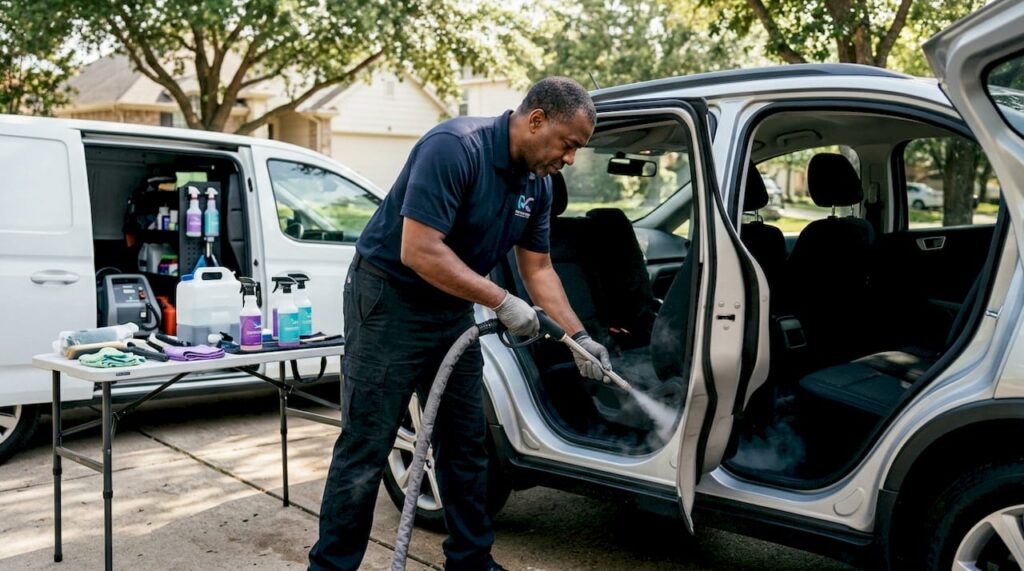
Steam detailing is defined as a professional automotive cleaning method that uses high-temperature steam vapour to loosen, sanitise, and lift contaminants from vehicle surfaces. The process applies controlled heat and moisture to dissolve grime, oils, and biological matter that traditional bucket-and-sponge methods leave behind. Professional systems operate at 100–150 psi and 160–200°C, delivering penetration far beyond what consumer-grade units achieve. The result is a vehicle interior that is genuinely clean at a microbial level, not just visually tidy. Isaac’s Pro Detailing Sunshine Coast uses this method as part of a multi-stage car interior cleaning process built around real hygiene outcomes.
What is a steam detailing process and how does it work?
Steam detailing works by heating water to between 160°C and 200°C inside a pressurised unit, then directing that vapour through a nozzle onto vehicle surfaces. The heat breaks the bond between contaminants and the surface material, whether that is fabric, vinyl, leather, or hard plastic. A professional technician then extracts the loosened grime and moisture simultaneously using a vacuum system, preventing it from settling deeper into upholstery foam. Without that simultaneous vacuum extraction, steam alone can drive moisture and contaminants further into the seat padding, creating long-term odour problems.
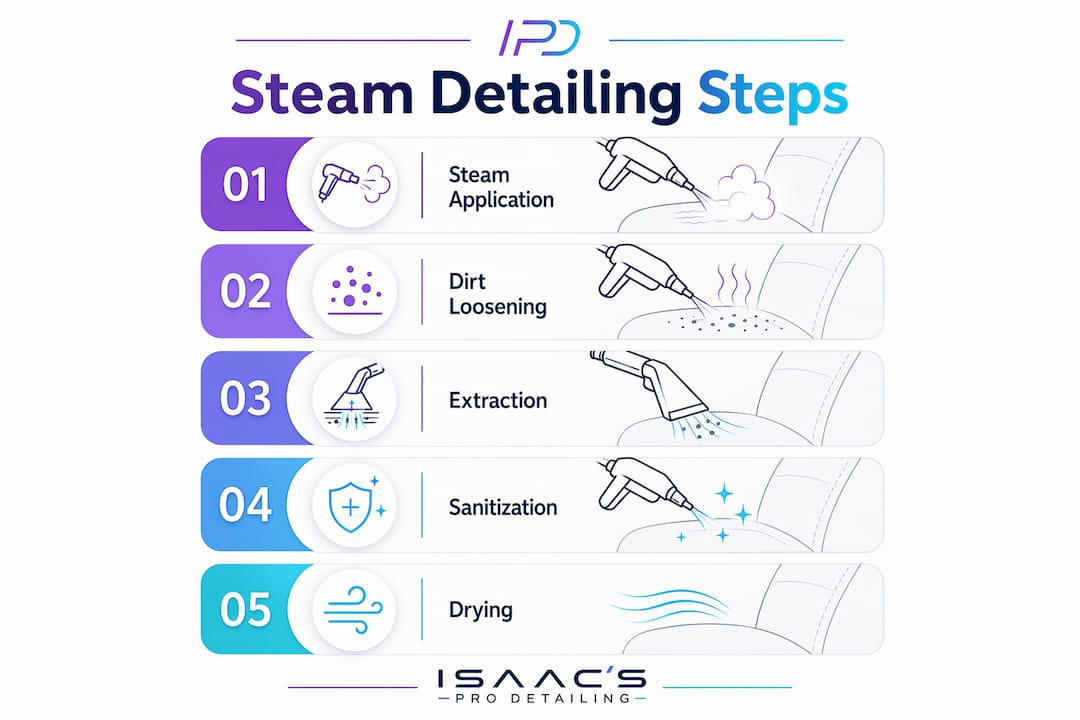
The full automotive steam cleaning process follows a structured sequence:
- Inspection. The technician assesses seat materials, stain types, and surface conditions before selecting the correct steam attachment and pressure setting.
- Pre-treatment. Heavy stains receive a targeted pre-treatment product to break down the soil before steam is applied.
- Steam application. The technician works in small sections, applying steam in controlled bursts to loosen grime without over-saturating the material.
- Simultaneous extraction. A vacuum head removes loosened contaminants and moisture immediately, preventing re-soiling and moisture migration.
- Surface wipe. A clean microfibre cloth lifts any remaining residue from the surface.
- Drying. Air movers accelerate the drying process. Rapid drying with air movers reduces mould complaints and gets vehicles ready in under an hour.
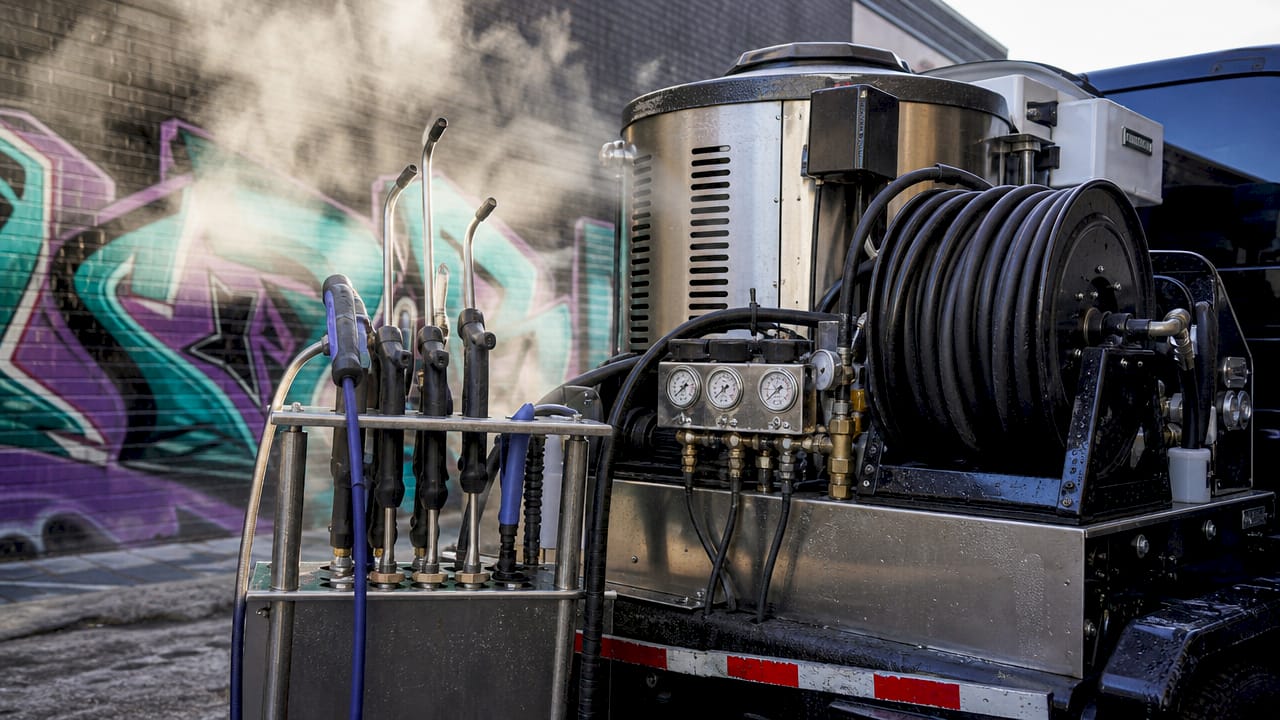
Professional truck-mounted systems deliver four times the cleaning penetration of consumer steamers. That gap matters when dealing with embedded pet hair, dairy spills, or long-term grime in seat seams.
Pro Tip: Always test steam on a hidden section of the seat or trim first. Some fabric dyes and adhesive trims react unexpectedly to high heat, and a small test patch costs nothing to check.
What are the benefits of steam detailing compared to traditional cleaning?
Steam detailing outperforms traditional cleaning methods on three fronts: water usage, hygiene, and surface precision. Steam cleaning uses up to 70% less water than conventional shampooing. That reduction matters in Australia, where water conservation is a genuine community concern, and it also means far less risk of over-wetting seats and carpets.
The hygiene advantage is the most underrated benefit. High-temperature steam sanitises steering wheels, stitching, and cup holders by killing bacteria and allergens without relying on harsh chemical sprays. That makes it safer for families with young children or passengers with respiratory sensitivities. Steam is also particularly effective at breaking down proteins and fats in biological spills, such as dairy products or pet accidents, that standard soaps consistently miss.
Here is how steam detailing compares to traditional cleaning approaches:
- Water usage. Steam uses a fraction of the water that bucket washing or wet extraction shampooing requires.
- Sanitisation. High heat kills bacteria and mould spores at the source. Chemical sprays mask odours rather than eliminating the biological cause.
- Precision. Steam nozzles reach air vents, seat seams, and cup holder recesses that sponges and cloths cannot access.
- Surface safety. Steam is non-abrasive. Scrubbing with brushes or abrasive pads risks pilling fabric and scratching trim.
- Chemical load. Steam cleaning reduces or eliminates the need for multiple chemical products, lowering the risk of residue on surfaces passengers touch daily.
- Moisture control. When paired with extraction and air movers, steam leaves surfaces drier than wet shampooing, reducing the risk of mould growth.
The moisture control point deserves emphasis. Traditional deep cleaning leaves seats wet for hours, sometimes days in humid Queensland conditions. Steam, combined with proper extraction and drying, closes that window significantly.
Practical considerations and best practices for steam detailing interiors
Preparation determines the quality of the result. Before any steam is applied, identify the seat material. Fabric seats, leather, vinyl, and synthetic suede each respond differently to heat and moisture. Leather seats, for example, benefit from a lower steam setting and immediate conditioning after the process to prevent drying out.
Pre-treating heavy stains before steaming improves results noticeably. A targeted enzyme cleaner applied to a food spill or pet accident gives the steam something to work with rather than simply heating a set-in stain. Work in small sections of roughly 30 centimetres square, applying steam in short bursts and wiping immediately with a clean microfibre cloth. This prevents moisture from accumulating and keeps the extraction system working efficiently.
Drying is not optional. Ambient humidity in coastal Queensland affects drying time significantly. Humid Australian conditions require expert airflow management to prevent mould during and after detailing. Air movers should run until surfaces are completely dry to the touch.
The table below outlines recommended steam detailing frequency by vehicle use:
| Vehicle use | Recommended frequency |
|---|---|
| Standard private use | Every 3–6 months |
| Family vehicle with children | Every 2–3 months |
| Rideshare or high-use vehicle | Every 1–3 months |
| Vehicles with pets | Every 1–2 months |
These intervals come from expert recommendations for maintaining hygiene and appearance across different usage patterns. High-use vehicles accumulate biological contamination faster, making shorter intervals a practical necessity rather than a luxury.
Pro Tip: For vehicle interior maintenance between professional sessions, a handheld steam unit on low pressure works well for spot-treating cup holders and hard plastic surfaces. Avoid using it on fabric seats without extraction capability.
Are there surfaces where steam detailing needs extra caution?
Steam detailing is not a universal solution for every surface inside a vehicle. Delicate materials like Alcantara, suede, and certain leathers require reduced steam settings or alternative cleaning methods entirely. Alcantara, used in performance and prestige vehicles, can mat and discolour under direct high-temperature steam. A professional detailer will recognise these materials immediately and adjust the approach.
Electronics present a clear risk. Direct steam contact near infotainment screens, speaker grilles, and wiring harnesses can cause moisture ingress and component failure. Experienced technicians keep steam nozzles well clear of any electronic component and use dry microfibre cloths to wipe adjacent areas.
The distinction between cleaning and restoration is also worth understanding. Steam detailing maintains and sanitises a vehicle in reasonable condition. It complements but does not replace full remediation for severe long-term neglect, deep-set staining, or mould infestations that have penetrated seat foam. Those situations require specialised treatments beyond standard steam application.
Practical do’s and don’ts for surface safety:
- Do test on a hidden area before treating any unfamiliar material.
- Do check the operator’s credentials and ask about their experience with your specific seat material.
- Do use extraction immediately after steaming to prevent moisture migration.
- Don’t apply direct steam to electronics, adhesive trim, or speaker grilles.
- Don’t use high-pressure settings on Alcantara, suede, or cracked leather.
- Don’t assume steam alone is sufficient for severe biological contamination without follow-up extraction and treatment.
Key takeaways
Steam detailing is the most water-efficient and hygienically effective method for cleaning vehicle interiors, provided it is always paired with simultaneous extraction and thorough drying.
| Point | Details |
|---|---|
| Core process | Steam at 160–200°C loosens grime, extraction removes it, air movers complete the dry. |
| Water efficiency | Steam uses up to 70% less water than traditional shampooing, reducing moisture risk. |
| Hygiene advantage | High heat sanitises surfaces at a microbial level, eliminating bacteria and allergens. |
| Maintenance frequency | Standard vehicles need steam detailing every 3–6 months; high-use vehicles every 1–3 months. |
| Surface caution | Alcantara, suede, and electronics require reduced settings or alternative methods. |
Steam detailing: what I’ve learned from years on the tools
Most vehicle owners think a clean-looking interior is a clean interior. It is not. Fabric seats can look spotless while harbouring bacteria, mould spores, and allergens deep in the weave. Steam detailing addresses that invisible layer, and that is the part of the process I find most satisfying to explain to clients.
The biggest misconception I encounter is that steam alone does the job. It does not. Steam loosens. Extraction removes. Drying protects. Skip any one of those three steps and you have either a damp seat that grows mould or a surface that looks clean but has had its contaminants redistributed rather than removed. Experienced detailers treat these as a single integrated process, not three separate options.
On the Sunshine Coast, the humidity factor is real. I have seen vehicles detailed elsewhere arrive with mildew already forming inside seat foam because the drying step was rushed or skipped. Proper airflow management after steaming is not a finishing touch. It is a core part of the process.
The ecological angle also matters to many of my clients. Using significantly less water per detail, reducing chemical runoff, and avoiding harsh solvents aligns with how a lot of Australians want to care for their vehicles and their environment. Steam detailing fits that expectation well when it is done properly.
— isaac’s
Professional steam detailing on the Sunshine Coast
Isaac’s Pro Detailing Sunshine Coast brings a fully equipped mobile setup directly to your home, workplace, or wherever your vehicle is parked. The service covers the complete process: steam application, simultaneous extraction, and controlled drying, so your interior is genuinely clean rather than just surface-treated.
For vehicle owners dealing with stubborn stains, biological spills, or a long-overdue deep clean, professional-grade equipment and trained hands make a measurable difference. The mobile detailing workflow at Isaac’s is built around results you can see and hygiene outcomes you can trust. Check the wash menu to find the right package for your vehicle and usage pattern.
FAQ
What is the steam detailing process in simple terms?
Steam detailing uses high-temperature vapour to loosen and sanitise dirt, bacteria, and contaminants from vehicle surfaces. A vacuum extraction system removes the loosened material immediately, and air movers dry the interior completely.
Is steam cleaning safe for car interiors?
Steam cleaning is safe for most vehicle interiors when applied correctly. Delicate materials like Alcantara and certain leathers require lower settings, and electronics must be kept away from direct steam contact.
How does steam detailing differ from traditional car cleaning?
Traditional cleaning relies on water, soap, and physical scrubbing, which uses significantly more water and can leave surfaces wet for hours. Steam detailing uses up to 70% less water and sanitises at a microbial level that soap-based methods cannot match.
How often should I get my car steam detailed?
Standard private vehicles benefit from steam detailing every 3–6 months. Rideshare drivers, families with young children, and pet owners should schedule sessions every 1–3 months to maintain hygiene effectively.
Can steam detailing remove pet odours and biological spills?
Steam detailing is particularly effective for pet accidents and dairy spills because the high heat breaks down the proteins and fats that cause persistent odours. Extraction must follow immediately to remove the disrupted material fully.