
TL;DR:
- Family cars on the Sunshine Coast quickly become messy due to daily family activities and pet hair.
- Eco-friendly cleaning involves using biodegradable, plant-based products and minimal water for safety and sustainability.
- Regular maintenance routines and professional mobile detailing help keep cars clean and protected from coastal environmental damage.
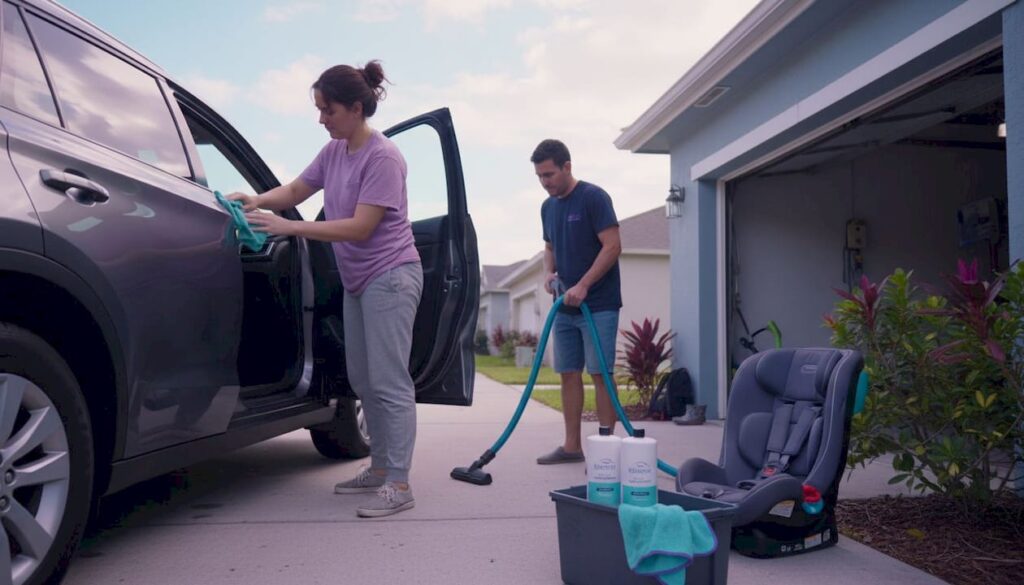
Family life and clean cars rarely go hand in hand. Between school runs, weekend sports, beach trips, and pets that shed their weight in fur every fortnight, most Sunshine Coast family vehicles end up looking like a disaster zone within days of being cleaned. Add a growing awareness of eco-friendly living to the mix, and many parents feel genuinely stuck between wanting a spotless car and not wanting to drench it in harsh chemicals. This guide gives you a practical, step-by-step detailing workflow built specifically for busy Sunshine Coast families, with sustainable products and realistic time frames at every stage.
Table of Contents
- Preparing for family-friendly car detailing
- Step-by-step workflow for interior car cleaning
- Exterior car detailing for safe and lasting results
- Maintaining a clean car with family routines
- What most guides miss about car detailing for families
- Get expert mobile car detailing for Sunshine Coast families
- Frequently asked questions
Key Takeaways
| Point | Details |
|---|---|
| Prep with eco-friendly tools | Choosing safe, sustainable materials makes cleaning easier and reduces environmental impact. |
| Follow a clear workflow | Use step-by-step sequences to quickly tackle messy interiors and exteriors. |
| Maintain with smart routines | Simple, regular habits keep family cars clean and healthy without extra effort. |
| Mobile services save time | Professional car detailing comes to you, perfect for busy Sunshine Coast families. |
Preparing for family-friendly car detailing
Good preparation is the difference between a quick, satisfying clean and an hour of frustrated scrubbing. Before you touch the car, pull together everything you need and set up a system that actually suits your family’s lifestyle.
Your essential tools checklist
Gathering the right supplies before you start saves you from stopping mid-job to rummage through the garage. Here is what every family car kit should include:
- Microfibre cloths in at least three colours (one for glass, one for surfaces, one for exterior)
- A soft-bristle brush or detailing brush for crevices and air vents
- An enzyme-based interior cleaner (safe for kids and pets)
- Biodegradable car wash soap
- A cordless handheld vacuum with a crevice tool
- Reusable spray bottles for diluted solutions
- Washable seat covers or protective mats (to avoid repeat deep cleans)
- A bucket with a grit guard to keep washing water clean longer
Eco-friendly detailing for families focuses on products that are plant-derived, biodegradable, and free from synthetic fragrances, which matters when little ones spend hours in the back seat breathing in whatever you have just sprayed around.
Comparing product types for family safety
| Product type | Safety for kids and pets | Eco impact | Effectiveness |
|---|---|---|---|
| Enzyme-based cleaner | Excellent | Low impact | High on organic stains |
| Plant-based multi-surface spray | Very good | Low impact | Good all-round |
| Synthetic chemical cleaner | Low | High impact | High but harmful |
| Waterless spray cleaner | Good | Very low impact | Good for light soiling |
| Baking soda and vinegar mix | Excellent | Minimal impact | Moderate |
Prepping the car before you clean
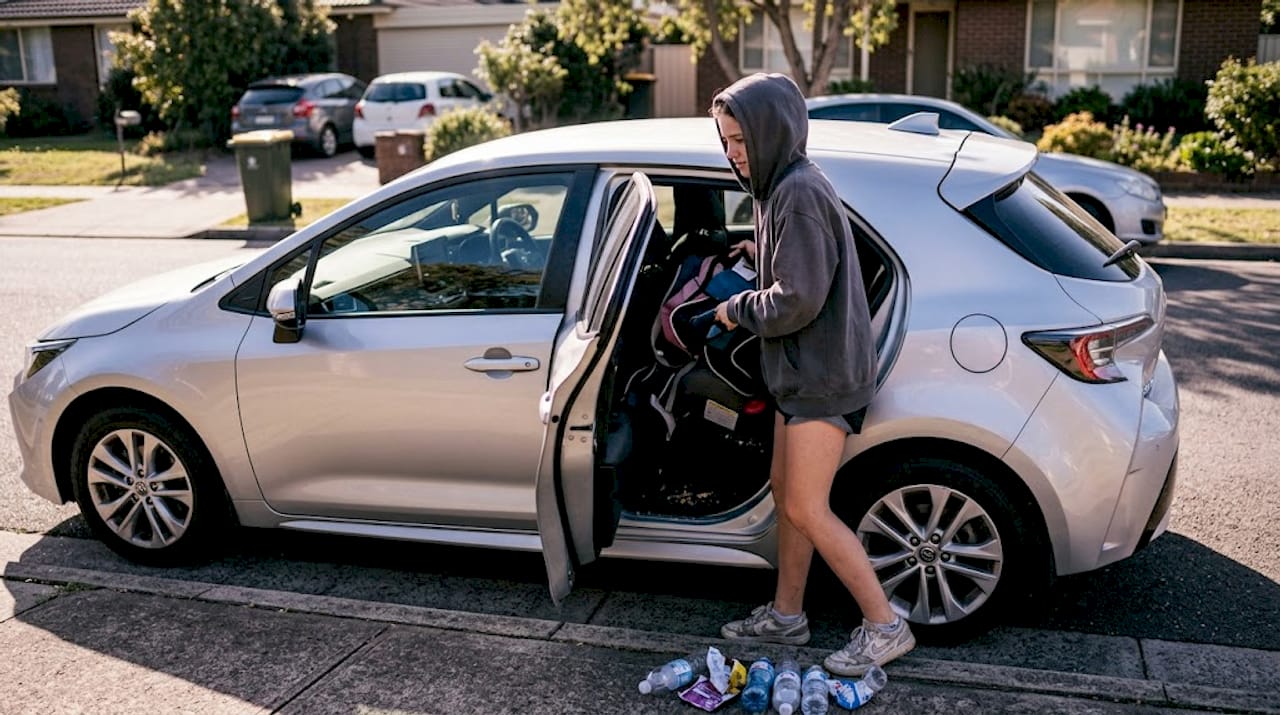
Start by completely clearing out the car. Remove car seats, booster seats, bags, sports gear, and any accumulated rubbish. Shake out floor mats and seat covers outside. This decluttering step alone exposes hidden crumbs, sticky spills, and pet hair that would otherwise block your vacuum from doing its job properly.
For pet owners, lay a lint roller over upholstery before vacuuming. This lifts the top layer of pet hair and makes vacuuming far more effective. If you use protective covers over rear seats, now is the time to remove and wash them separately.
Pro Tip: Keep a compact kit in the boot with a few microfibre cloths, a small spray bottle of diluted enzyme cleaner, and a mini vacuum. Quick spot cleaning right after a spill stops stains setting, and it only takes two minutes.
Sustainability tips during prep
Minimising water runoff is a real concern on the Sunshine Coast, especially near waterways and beaches. Set up your cleaning area on a lawn where possible, so rinse water is absorbed rather than running into storm drains. You can also maintain your vehicle interior with less water overall by prioritising spot cleaning and using waterless solutions for lighter jobs between deep cleans.
Step-by-step workflow for interior car cleaning
Once your supplies are ready and the car is cleared out, work through the interior in a logical sequence. Moving from top to bottom and dry to wet keeps you from recontaminating areas you have already cleaned.
The recommended cleaning sequence
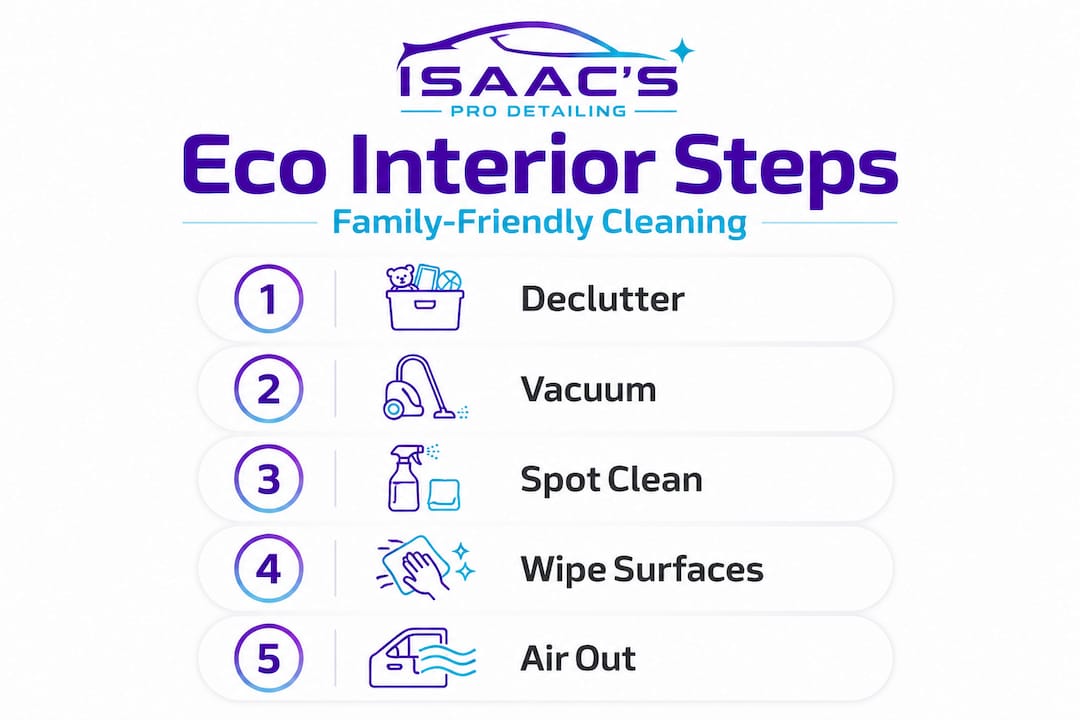
- Vacuum everything first. Use the crevice tool along seat seams, under seats, and around child seat anchor points. This is where crumbs, sand, and pet hair collect most densely.
- Treat upholstery stains before scrubbing. Spray enzyme cleaner onto any visible stains and allow it to sit for three to five minutes. This dwell time breaks down organic material from food, drink, and pet accidents.
- Wipe down hard surfaces. Dashboards, door trims, consoles, and cup holders get a wipe with a damp microfibre cloth. Use a detailing brush for air vents and buttons where residue builds up quickly.
- Clean seat belts. Families often forget about seat belts, which accumulate bacteria and grime. Wipe them down with a diluted cleaner while extended, and allow them to dry fully before retracting.
- Scrub and extract upholstery. After the enzyme cleaner has dwelled, agitate with a soft brush and blot with a clean cloth. For deep extraction, a carpet and upholstery extraction machine delivers far better results than a surface wipe.
- Clean floor mats separately. Scrub rubber mats with a brush and rinse outside. Allow to dry fully in the sun before reinstalling to prevent mould.
- Finish with glass. Wipe windows with a glass-specific microfibre cloth and a streak-free cleaner. Work in a figure-eight pattern on the inside to catch all residue.
Targeted strategies for common family messes
| Mess type | Best approach | Product recommendation |
|---|---|---|
| Sticky food spills | Enzyme soak, then blot | Enzyme-based upholstery cleaner |
| Pet hair on fabric | Lint roll first, then vacuum | Rubber bristle brush before vacuuming |
| Crayon or texta marks | Baking soda paste, light agitation | Isopropyl wipe for stubborn marks |
| Sand and grit | Dry vacuum only | Crevice tool, no moisture needed |
| Odour from wet gear | Baking soda sprinkle overnight | Ozone treatment for persistent odours |
A solid car interior cleaning guide helps you work through these scenarios confidently rather than reaching for the strongest chemical you can find. Following interior detailing steps for families also helps you adapt the process for toddlers’ car seats, which require specific attention to avoid fabric damage.
Keeping chemical exposure low
Open all doors and windows while cleaning the interior to ventilate properly. Allow the car to air dry completely before your children or pets re-enter. Enzyme cleaners and plant-based sprays dissipate quickly and leave no lingering fumes, which is exactly what you want in a space where kids spend extended time.
Pro Tip: If your rear seats smell musty after rainy beach trips, sprinkle baking soda liberally over the upholstery the night before you plan to clean. Vacuum it up the next morning and you will be surprised how much odour lifts with zero chemicals involved.
Exterior car detailing for safe and lasting results
Once the interior is done, turn your attention to the exterior. Sunshine Coast conditions are genuinely tough on paintwork. Salt air, beach sand, UV radiation, and the occasional muddy trail take a real toll on your car’s finish over time.
Eco-conscious washing techniques
Washing your car on the driveway lets soap and chemical runoff drain directly into storm water systems. Instead:
- Wash on the lawn to absorb runoff naturally
- Use a two-bucket method: one for soapy water, one for rinsing your mitt, to avoid reapplying grit to the paint
- Opt for a biodegradable, pH-neutral car wash soap
- Use a soft wash mitt rather than a sponge to avoid micro-scratches
- Rinse from the roof down to move dirt in one direction
For detailed guidance on exterior detailing steps, working in a shaded area matters more than most people realise. Cleaning a hot panel in direct sun causes soap to dry before you can rinse it, leaving water spots and streaking that require extra work to remove.
Dealing with sand, salt, and mud
Sand is abrasive. Never wipe sandy panels dry. Always rinse thoroughly with clean water before any mitt or cloth touches the surface. Salt residue from coastal drives should be rinsed within 24 hours to prevent corrosion, particularly around wheel arches, door sills, and any exposed metal trim.
For mud, allow it to dry completely and then gently brush away the loose material before rinsing. Wiping wet mud spreads it and can drag abrasive particles across paint.
Applying a quality car wax or paint sealant after washing adds a protective layer against UV fade, salt deposits, and bird droppings. For families who spend time at the beach, this extra step can meaningfully extend the life of your car’s paint. Ceramic coating offers even longer-term protection and is worth considering if you want a finish that sheds water, sand, and grime with far less effort each wash.
Protective finishes worth considering
UV protection is genuinely important here on the Sunshine Coast. Paint that bakes in direct sun fades faster and oxidises, which costs money to correct. Applying a polymer sealant twice yearly adds a sacrificial layer that absorbs UV damage instead of your paint. Reviewing best exterior cleaning practices regularly helps you choose the right protective product for your vehicle’s colour, age, and how much time it spends parked outside.
Tyre care is also easy to overlook. A quick wipe with a tyre dressing product keeps rubber supple and prevents cracking caused by UV exposure and ozone in the coastal air.
Maintaining a clean car with family routines
Getting the car spotless is satisfying. Keeping it that way without turning it into a second job requires a realistic routine that works around your family’s schedule.
Weekly quick maintenance habits
- Shake out floor mats and leave them outside for five minutes while you do the school run
- Keep a small rubbish bag in the car and empty it every refuel
- Wipe cup holders and the console with a damp cloth twice a week
- Use a pet seat cover that can be removed and thrown in the washing machine
- Keep a spare microfibre cloth in the glovebox for quick spill response
Monthly deeper maintenance checklist
- Vacuum seats, mats, and boot thoroughly
- Wipe down all interior hard surfaces with an eco-friendly spray
- Inspect and clean seat belt webbing
- Rinse wheel arches to remove salt and brake dust build-up
- Apply a quick-detailer spray to exterior panels between full washes
The mobile detailing benefits for Sunshine Coast families who simply cannot find the time for a full DIY detail are significant. A professional mobile service comes to your home or workplace, handles the heavy lifting, and returns a fresh car without you needing to load up the kids and drive somewhere.
Pro Tip: Invest in quality washable seat covers for rear seats and the boot area. They cost far less than a professional extraction clean and can be laundered at home weekly. This single habit reduces the frequency of professional deep cleans dramatically.
Building eco-friendly habits into everyday life
Sustainable car care is not just about the products you use for a big clean. It is about the small decisions you make daily. Choosing vehicle maintenance tips that emphasise prevention over cure means less chemical use, less water waste, and less time scrubbing dried-on messes. Carry a reusable bag for rubbish, enforce a no-food-in-the-car rule where possible for younger children, and encourage pets to shake off before jumping in.
What most guides miss about car detailing for families
Most generic detailing guides treat a car as a static object. They do not account for the fact that a family car is a living, breathing space that gets re-contaminated within 48 hours of being cleaned. The real challenge is not the cleaning itself, it is the system around the cleaning.
From experience working with Sunshine Coast families, the biggest time-waster is attempting a full detail without a routine in place to slow the mess accumulation. You end up doing a full deep clean every few weeks instead of a quick maintenance pass twice weekly that takes ten minutes.
The other overlooked factor is the Sunshine Coast climate specifically. Salt air accelerates odour and mould in car interiors faster than in inland areas. Families who spend weekends at Noosa, Mooloolaba, or Coolum often bring salt-saturated beach gear back into the car, which dramatically increases the rate of odour development and upholstery degradation. A mobile detailing workflow designed for coastal conditions accounts for these factors in ways that a one-size-fits-all approach simply does not.
Professional mobile detailing is not a luxury for families here. It is often the most practical and genuinely cost-effective solution when you factor in the time, products, and equipment required to achieve real results at home.
Get expert mobile car detailing for Sunshine Coast families
If this guide has given you a clear picture of what a proper family detail involves, you also know it is not a small job. Between sticky back seats, pet hair embedded in upholstery, salt-affected panels, and the sheer time involved, many Sunshine Coast families find that professional help is simply the smarter option.

Isaac’s Pro Detailing Sunshine Coast brings fully equipped, eco-conscious mobile detailing directly to your home, workplace, or favourite weekend spot. Explore mobile detailing service examples to see what a professional clean actually looks like, and review best mobile car detailing practices to understand the standards we hold ourselves to. Whether you need a light freshen-up or a full interior extraction after a long school term, we have a package that fits your family.
Frequently asked questions
What materials are safest for cleaning cars used by children and pets?
Microfibre cloths, natural cleaners, and enzyme-based products are safest for sensitive passengers, minimising exposure to harsh chemicals and allergens.
How can families minimise water usage when detailing their cars?
Using damp microfibre wipes, waterless spray cleaners, and spot cleaning techniques can reduce water usage by up to 70%, making them ideal for eco-conscious families.
Are mobile detailing services convenient for busy Sunshine Coast families?
Mobile detailing services offer flexible scheduling and come directly to your location, and mobile detailing benefits include saving families significant time and reducing the hassle of booking workshops.
How often should family cars be detailed for best results?
A monthly deep clean, combined with weekly quick maintenance, keeps vehicles healthy, clean, and protected from the sticky and sandy messes that accumulate fast in a family car.
What are the top eco-friendly tricks for maintaining car cleanliness?
Use washable seat covers, set a routine for spot cleaning, and rely on biodegradable cleaners for sustainable upkeep that is safe for both your family and the Sunshine Coast environment.