
TL;DR:
- Ceramic coating provides water repellency UV protection and chemical resistance but does not prevent chips or scratches.
- Proper surface preparation and regular maintenance are essential for maximizing coating longevity and appearance.
- Professional application ensures better results than DIY kits, especially in coastal environments like Sunshine Coast.
Ceramic coating is one of the most talked-about car protection options on the market, yet it’s also one of the most misunderstood. Many vehicle owners believe it makes their car virtually scratch-proof or eliminates the need for regular washing. It doesn’t. What it does offer is genuinely impressive, though. From hydrophobic water repellency to UV resistance and chemical protection, ceramic coating can transform how your car looks and how easy it is to keep clean. This guide cuts through the noise and gives you a clear, practical picture of what ceramic coating truly delivers for Sunshine Coast drivers.
Table of Contents
- What is ceramic coating and how does it work?
- Key benefits and real-world limitations
- Longevity and maintenance: What Sunshine Coast drivers need to know
- The application process and the vital role of surface preparation
- Is ceramic coating right for your car? Making the best choice
- A detailer’s view: What most car owners miss about ceramic coating
- Ready for a lasting shine? Discover professional ceramic coating services
- Frequently asked questions
Key Takeaways
| Point | Details |
|---|---|
| Real protection, not invincibility | Ceramic coating shields your car from chemicals and UV rays but won’t stop scratches or rock chips. |
| Long-lasting with proper care | Professional coating lasts up to five years if you maintain it with quality washes. |
| Preparation is critical | Paint correction before coating ensures best results, as all flaws will be sealed in. |
| Great for Sunshine Coast conditions | Hydrophobic and UV-resistant properties make ceramic coatings ideal for coastal vehicles. |
| Decide based on your needs | Compare ceramic coating with paint protection film to choose the best solution for your vehicle. |
What is ceramic coating and how does it work?
Ceramic coating is a liquid polymer that you apply to your vehicle’s exterior paintwork. Once cured, it bonds chemically with your car’s factory paint to form a hard, semi-permanent protective layer. Unlike a traditional wax that sits on top of the paint and washes away within weeks, a ceramic coating becomes part of the surface itself.
The chemistry behind it is straightforward. The coating is typically made from silicon dioxide (SiO2), which creates a glass-like shell over your paintwork. This shell has several key properties that make it attractive to car owners:
- Hydrophobic repellency: Water beads and rolls off the surface, carrying dirt with it.
- UV resistance: The coating helps reduce paint oxidation caused by harsh sunlight.
- Chemical resistance: Bird droppings, tree sap, and road grime are less likely to etch into the paint.
- Enhanced gloss: The coating amplifies your paint’s depth and shine, giving it a showroom look.
Here’s a quick snapshot of what ceramic coating offers compared to bare paint:
| Property | Bare paint | Ceramic coated |
|---|---|---|
| Water repellency | Low | High |
| UV protection | Minimal | Moderate |
| Chemical resistance | Low | Moderate to high |
| Ease of cleaning | Standard | Much easier |
| Gloss depth | Standard | Enhanced |
That said, expert coating insights are clear that ceramic coatings are marketed for hydrophobic, UV, and chemical resistance but aren’t a force field. They won’t prevent rock chips, dings from car parks, or deep mechanical scratches. For a full walkthrough of how ceramic coating is applied, it helps to understand both the chemistry and the technique involved.
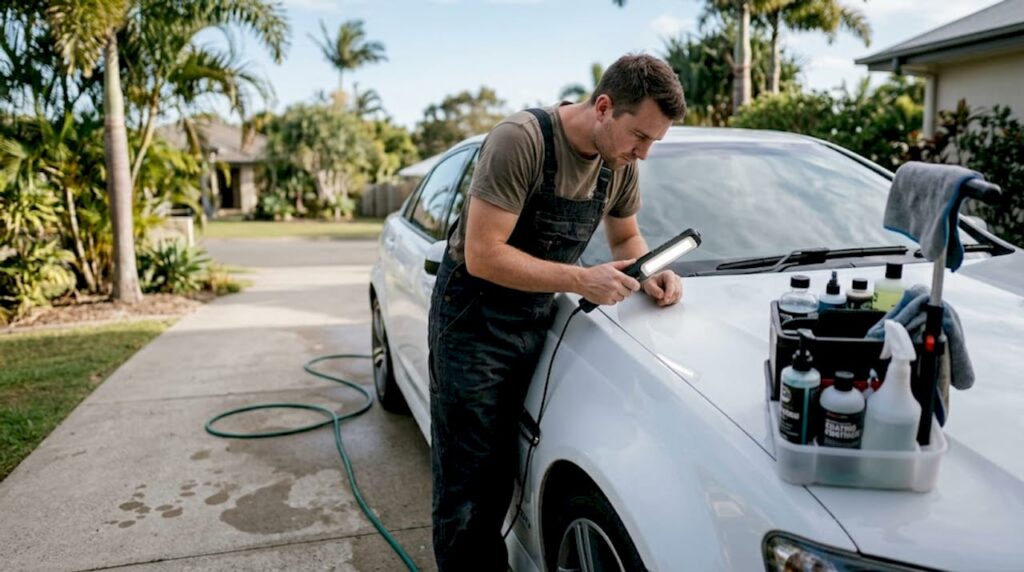
Pro Tip: Before booking any coating, inspect your paint in direct sunlight. If you see swirl marks or scratches, those need to be corrected first. A ceramic coating will lock them in permanently otherwise.
Vehicles that benefit most from coating include daily drivers exposed to the elements, cars parked outdoors, and any vehicle where the owner values a cleaner, glossier finish with less effort. Understanding the paint protection benefits of coating versus other products helps you make a smarter choice.
Key benefits and real-world limitations
Understanding how ceramic coating works leads naturally to exploring its real-world strengths and shortfalls. The benefits are real, but so are the boundaries.
Here’s what you can realistically expect from a professionally applied ceramic coating:
- Washing your car becomes noticeably faster and easier because contaminants don’t bond as strongly.
- Your paint retains its gloss and colour depth far longer than with wax or sealant.
- Bird droppings and environmental fallout are far less likely to stain the paint permanently.
- Sun-related paint fading slows down, which matters enormously on the Sunshine Coast.
- The car simply looks better, for longer, with less effort.
But here’s the honest truth that many detailing brochures gloss over. Ceramic coatings resist chemical staining and UV damage but do not prevent chips, dings, or deep scratches. If you drive on the highway and a stone flicks up and hits your bonnet, the coating won’t save your paint. For that level of protection, you’d need to explore a comparison with paint protection film, which is a physical barrier film rather than a chemical layer.
“Ceramic coating is best understood as premium paint maintenance, not armour. It keeps your car looking its best and makes upkeep easier, but it works alongside regular care rather than replacing it.”
Here’s a clear breakdown to set realistic expectations:
| Feature | Ceramic coating | Paint protection film |
|---|---|---|
| UV protection | Yes | Yes |
| Chemical resistance | Yes | Moderate |
| Rock chip resistance | No | Yes |
| Self-healing properties | No | Yes (some grades) |
| Gloss enhancement | High | Moderate |
| Cost | Moderate | Higher |
For a deeper look at the ceramic coating pros and cons, including which vehicle types benefit most, it’s worth comparing your options before committing.
Longevity and maintenance: What Sunshine Coast drivers need to know
Once you know the benefits and limits, it’s time to understand how long protection lasts and what’s required to maintain it. Durability varies depending on whether you choose a professional or DIY product.
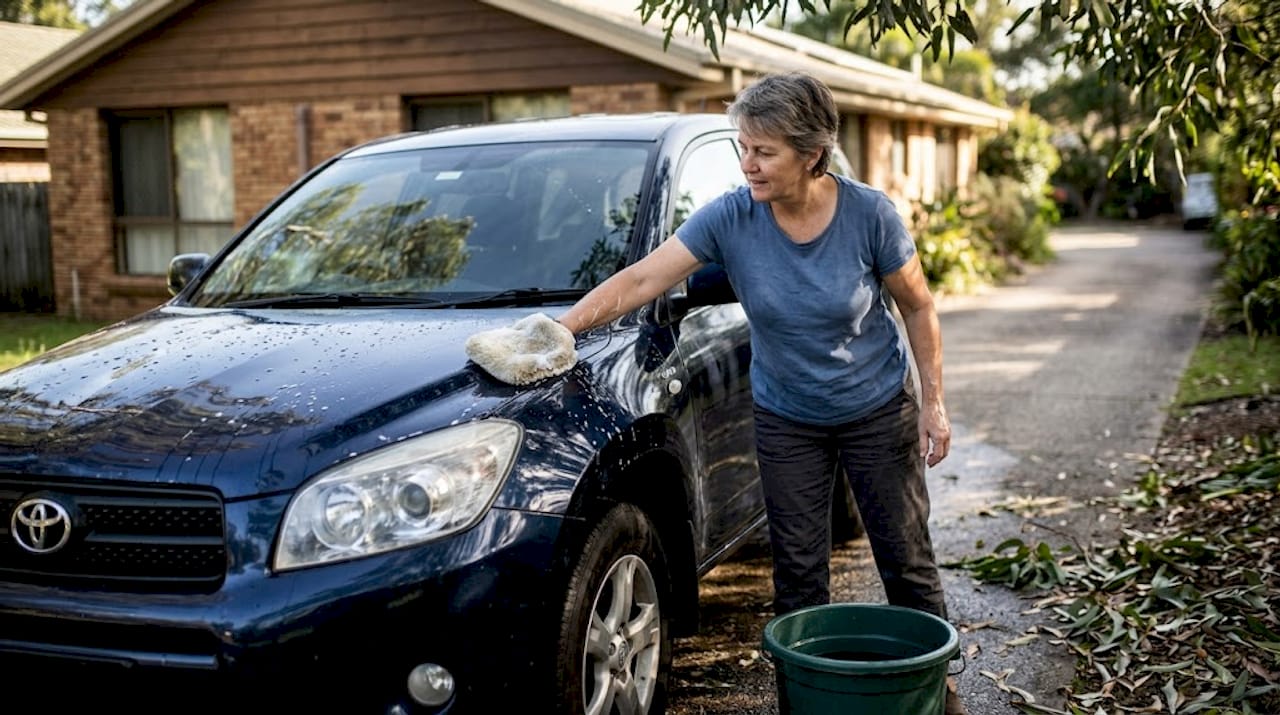
Professional ceramic coatings last around three to five years with proper maintenance. DIY consumer-grade kits typically offer a shorter window of one to three years, often with less hydrophobic performance and gloss depth. The difference comes down to the concentration of SiO2 and the skill involved in application.
For Sunshine Coast drivers specifically, a few local factors make maintenance especially important:
- Intense UV exposure: The Queensland sun is brutal. Even with coating, UV degrades the protective layer faster than in cooler climates.
- Salt air: Coastal environments expose your car to salt particles that can slowly break down coatings if the car isn’t washed regularly.
- High humidity: Moisture and heat accelerate environmental contamination.
- Beach visits: Sand particles are mildly abrasive, so rinsing your car after beach trips protects the coating.
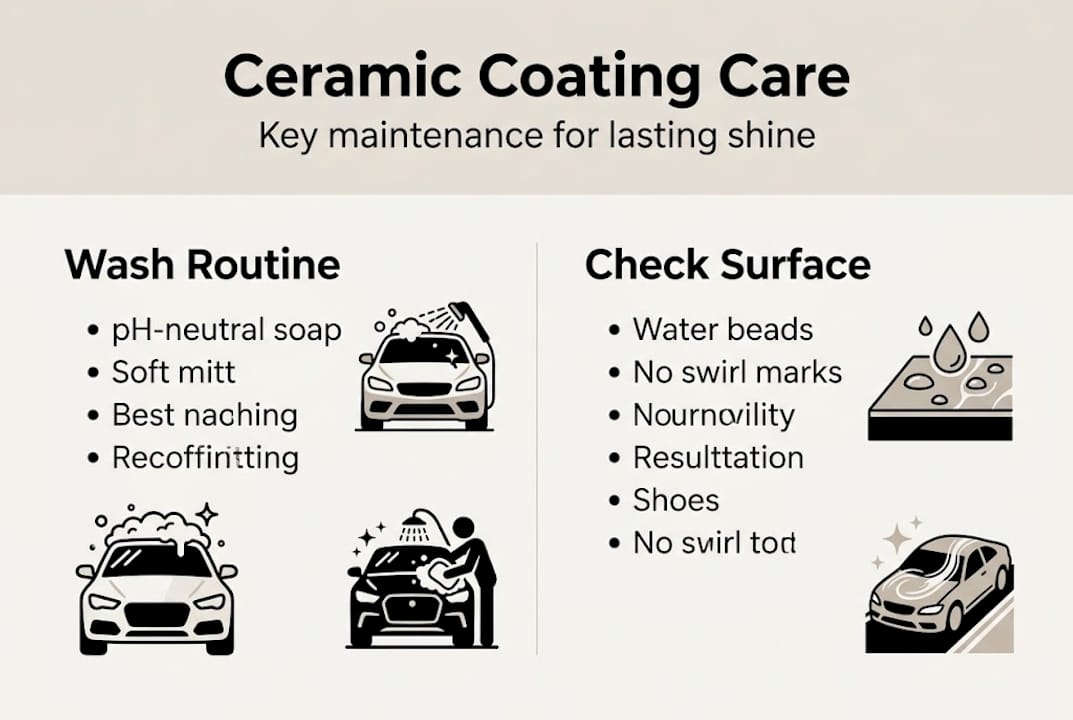
Pro Tip: Use a pH-neutral car wash shampoo specifically formulated for coated vehicles. Harsh detergents strip the coating’s hydrophobic properties faster than normal wear.
One of the biggest myths around ceramic coating is that it’s a “set and forget” solution. It isn’t. You still need to wash the car regularly, ideally every two weeks, to prevent contaminant build-up from degrading the layer. For guidance on maintaining ceramic coatings through proper washing routines, consistent care makes all the difference.
Signs your coating may need professional application tips or a refresh include water no longer beading across the surface, dull appearance despite washing, and increased difficulty removing bird droppings and road film.
The application process and the vital role of surface preparation
A durable coating depends as much on prep as on the product, making this step critical before you coat your car. Skipping or rushing preparation is the single biggest mistake most DIY applicators make.
Here’s why preparation matters so much. Ceramic coating locks in current surface condition, meaning if your paint has swirl marks, water spots, or oxidation, those flaws will be sealed under the coating and become permanent. Paint correction before application is not optional if you want a flawless, glossy result.
A professional application follows a structured sequence:
- Thorough wash and decontamination: Remove all surface dirt, iron particles, and bonded contaminants using appropriate wash products and a clay bar.
- Paint correction: Machine polish the paint to remove swirls, light scratches, and oxidation.
- Surface wipedown with IPA (isopropyl alcohol): Removes any polishing oils that would prevent proper bonding.
- Coating application: Apply the ceramic coating panel by panel, levelling it evenly before it begins to cure.
- Cure time: Allow the vehicle to remain dry and sheltered for 24 to 48 hours as the coating hardens.
For detailed paint protection steps tailored to local conditions, following the correct sequence is critical. Common paint correction advice consistently points to preparation as the step that separates a long-lasting result from a disappointing one.
Pro Tip: If you’re considering a DIY coating, apply it in a shaded, dust-free area with low humidity. The Sunshine Coast’s humidity can cause the coating to flash too quickly, leaving high spots that are difficult to remove.
For most Sunshine Coast owners, professional application makes more practical sense than a DIY attempt. A professional detailer has controlled conditions, polishing equipment, and the experience to spot paint defects you might miss. Helpful detailing tips reinforce just how much the prep stage influences the final result.
Is ceramic coating right for your car? Making the best choice
At this point, knowing the process and what’s involved, you can weigh if ceramic coating is the right fit for your vehicle. It isn’t the best solution for every situation, and being honest with yourself saves time and money.
Ceramic coating is an excellent choice if you:
- Park your car outdoors regularly and want to slow paint fading from UV exposure.
- Want to spend less time washing and more time enjoying your car.
- Own a newer vehicle and want to preserve its paint in great condition for years.
- Detail-conscious and want that deep, glossy look to last.
- Drive in coastal conditions where salt air and grime are constant factors.
On the other hand, if your car regularly takes highway trips where rock chips are a genuine concern, you should consider paint protection comparison options like PPF first. It’s worth noting that PPF offers better chip resistance than ceramic coating, while coatings excel at gloss and chemical protection. Some owners choose to combine both, using PPF on high-impact areas like the bonnet and bumper, and ceramic coating across the rest of the vehicle.
Before booking, ask yourself: Is my paintwork in good condition and ready for coating? Am I willing to commit to regular washing and care? Do I understand this is a protective layer, not a scratch-proof shield? If you answered yes to all three, ceramic coating is likely a smart investment for your Sunshine Coast lifestyle.
A detailer’s view: What most car owners miss about ceramic coating
To add perspective beyond the facts and figures, here’s what detailers really know about ceramic coating in practice.
The biggest surprise for most clients? How much ongoing care a ceramic-coated car still needs. Many owners expect to coat their car and forget about it. Within six months, they’re back wondering why the coating looks dull. The coating hasn’t failed. It hasn’t been maintained.
In a coastal climate like the Sunshine Coast, the environment works against you every single day. Salt, humidity, and UV are relentless. A coating slows down the damage significantly, but it doesn’t stop time. Owners who commit to fortnightly washes and an annual detail get results that genuinely turn heads years later. Those who don’t are often disappointed.
The other thing most owners miss is that the value of ceramic coating isn’t just in the coating itself. It’s in the paint correction and preparation that comes with professional application. That preparation stage restores your paint to the best possible condition before locking it in. Done properly, it’s like resetting the clock on your car’s exterior. For a realistic look at realistic paint protection outcomes, the prep work matters as much as the product. Treat ceramic coating as a premium maintenance tool, and it will reward you generously.
Ready for a lasting shine? Discover professional ceramic coating services
If you feel ceramic coating fits your vehicle and lifestyle, here are some trusted local services and next steps.
At Isaac’s Pro Detailing Sunshine Coast, we bring professional-grade ceramic coating directly to your driveway, workplace, or favourite spot on the coast. No need to drop your car off or rearrange your schedule.
Our mobile detailing service covers everything from thorough surface prep and paint correction through to full ceramic coating application, so your result lasts. Whether you’re ready to apply ceramic coating for the first time or want to explore the full range of vehicle paint protection options available, we’re here to help you make the right call. Visit our mobile detailing services page to see packages, pricing, and what’s included for your vehicle size.
Frequently asked questions
Does ceramic coating protect against scratches and chips?
Ceramic coating guards against chemical stains and UV damage effectively, but it will not stop rock chips or deep scratches from road debris.
How long does professional ceramic coating typically last?
Professional ceramic coatings last three to five years on average when the vehicle is washed regularly and maintained correctly.
Can I apply ceramic coating myself?
DIY kits exist, but professional coatings outlast DIY alternatives in both durability and finish quality, especially when correct preparation is involved.
Do I still need to wash my car after ceramic coating?
Absolutely. Ceramic coating doesn’t eliminate the need for washing, though contaminants rinse away much more easily than on bare paint.
Should I get paint correction before ceramic coating?
Yes, always. Ceramic coating locks in the current paint condition permanently, so correcting swirls and scratches beforehand is essential for the best result.