
TL;DR:
- Proper surface preparation and eco-friendly products are essential for durable paint protection on the Sunshine Coast.
- Regular maintenance, gentle washing, and timely reapplication extend protection and prevent damage from UV and salt.
- Professional detailing offers expert long-lasting protection tailored for challenging coastal climate conditions.
The Sunshine Coast is one of Australia’s most beautiful places to drive, but its climate is genuinely tough on car paint. Intense UV radiation, salty coastal air, and sudden downpours create a perfect storm of paint-damaging conditions. Without proper protection, your vehicle’s clear coat can fade, oxidise, and deteriorate faster than you’d expect. The good news is that following clear, practical steps, using eco-friendly products where possible, keeps your car looking sharp and saves you from expensive respray bills. This guide walks you through everything from gathering the right supplies to maintaining your finish long-term.
Table of Contents
- What you’ll need for effective paint protection
- Preparing your car for paint protection
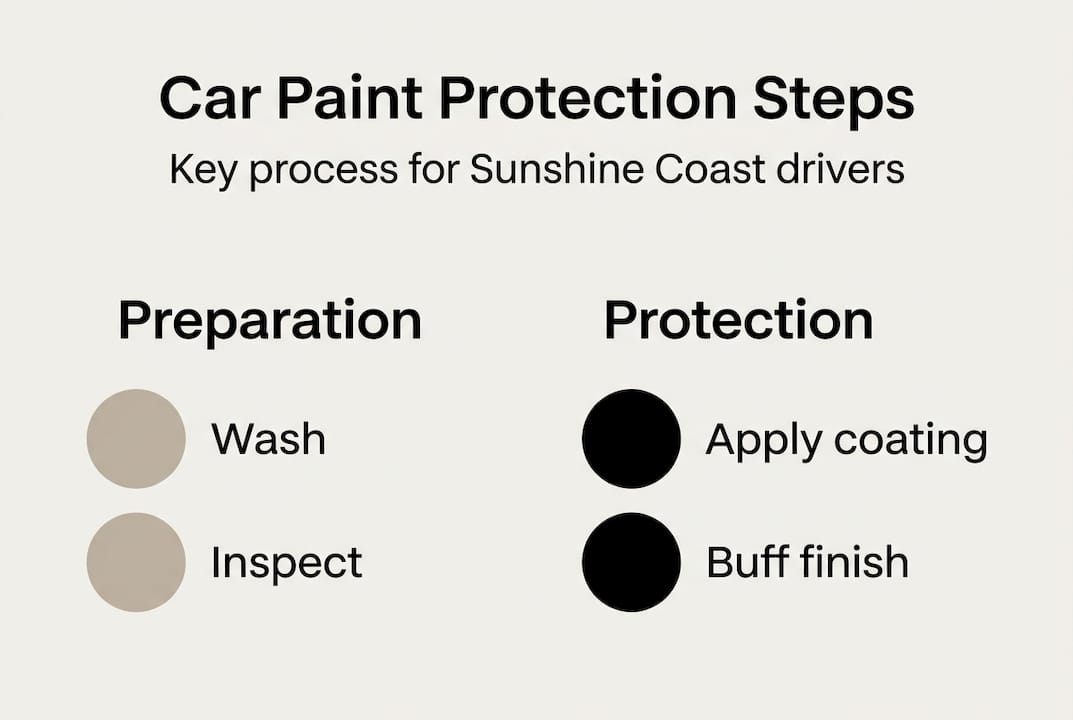
- Applying paint protection: Step-by-step
- Caring for your protected paint: Eco-friendly habits
- Troubleshooting and common mistakes to avoid
- Our expert take: What most drivers miss about paint protection
- Get professional paint protection on the Sunshine Coast
- Frequently asked questions
Key Takeaways
| Point | Details |
|---|---|
| Preparation is critical | Cleaning and inspecting your car’s paint ensures protection lasts and looks great. |
| Choose the right protection | Different coatings suit various needs and Sunshine Coast conditions. |
| Eco-friendly works | Green products protect your car and the environment when used properly. |
| Routine care extends results | Gentle, regular maintenance keeps your paint shining longer after protection. |
What you’ll need for effective paint protection
Now that you recognise the importance of paint protection, it’s time to prepare your toolkit. Having the right products on hand before you start makes the whole process smoother and more effective.
Here’s what you’ll need to get started:
- pH-neutral car shampoo (gentle on paint and safe for protective coatings)
- Quality microfibre towels (at least four, to avoid cross-contamination)
- Clay bar kit (removes bonded surface contaminants before protection)
- Applicator pads (foam or microfibre, depending on your chosen protectant)
- Paint protectant (wax, synthetic sealant, or ceramic coating)
- Two wash buckets with grit guards (prevents swirl marks during washing)
Choosing eco-friendly products matters more than most drivers realise. Eco-friendly products reduce runoff and protect the Sunshine Coast’s waterways and beaches from chemical contamination.
Here’s a quick comparison of the main paint protection types:
| Protectant type | Durability | Eco-friendliness | Cost |
|---|---|---|---|
| Carnauba wax | 1 to 3 months | Naturally derived | Low |
| Synthetic sealant | 4 to 6 months | Varies by brand | Moderate |
| Ceramic coating | 1 to 2+ years | Low VOC options available | High |
| Eco spray wax | 4 to 8 weeks | Biodegradable formulas | Low |
For mobile detailing, following best exterior cleaning practices means keeping your kit compact and organised. You can also review a detailing for lasting protection guide to understand how each product fits into a full detail.
Pro Tip: Pack all your supplies into a single carry crate or tote bag. When you’re detailing at home, work, or the beach, having everything in one place saves time and reduces the chance of forgetting a critical step.
Preparing your car for paint protection
With your products at the ready, you’ll want to ensure the surface is perfectly primed. Skipping preparation is the single biggest reason paint protection fails early.
Follow these steps in order:
- Pre-rinse the vehicle to remove loose dirt and debris before any contact washing.
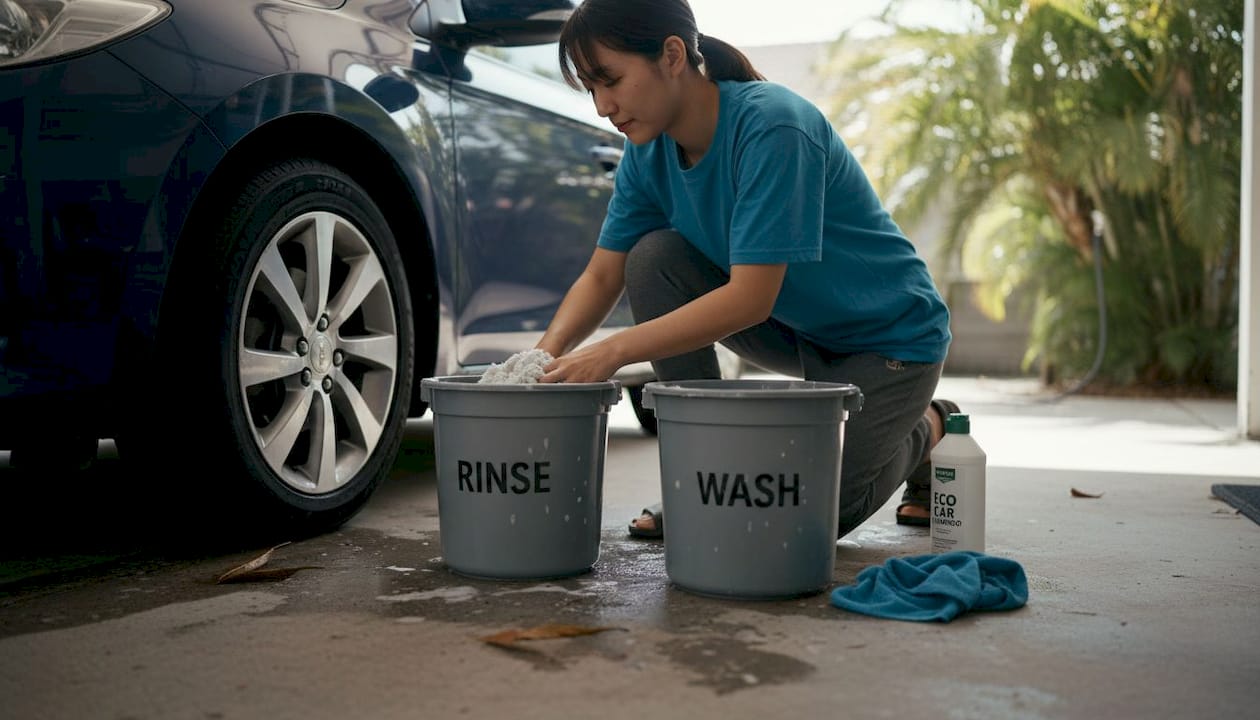
- Wash with pH-neutral shampoo using the two-bucket method to minimise swirl marks.
- Rinse thoroughly and dry with a clean microfibre towel using gentle, straight strokes.
- Inspect the paint under good lighting for scratches, oxidation, or contamination.
- Clay bar the surface to remove bonded contaminants like rail dust, tree sap, and industrial fallout.
- Wipe down with an IPA (isopropyl alcohol) solution to strip any remaining oils before applying protectant.
As the exterior detailing process confirms, proper surface preparation ensures paint protectant bonds correctly and lasts as long as possible. Rushing this stage is the most common DIY mistake.
“A perfectly clean, contamination-free surface is the foundation of any lasting paint protection. Without it, even the most expensive coating will fail prematurely.”
For managing water run-off responsibly, check your local council guidelines and try to wash on grass or gravel rather than concrete drains. The mobile detailing guide covers smart water management for on-site detailing. You can also find practical advice on cleaning your car properly to avoid common washing errors.
Pro Tip: Always use the two-bucket method. One bucket holds clean soapy water, the other holds rinse water. Dip your wash mitt into the rinse bucket first, then the soap bucket. This simple habit dramatically reduces swirl marks on your paint.
Applying paint protection: Step-by-step
Once the surface is prepared, you’re ready to apply protection that suits both your needs and Sunshine Coast conditions. High UV levels on the Sunshine Coast increase the risk of paint oxidation without regular protection, so choosing the right product for our climate matters.
Follow these steps for a clean application:
- Work in the shade or indoors to prevent product from drying too quickly in the heat.
- Apply protectant to a foam applicator pad, not directly to the paint.
- Work in small sections (roughly 60 x 60 cm panels) using overlapping circular or cross-hatch motions.
- Allow the product to cure according to manufacturer instructions before buffing.
- Buff off residue with a clean microfibre towel using light, straight strokes.
- Inspect each panel under natural or artificial light before moving to the next.
For a deeper understanding of product selection, the detailed car protection guide and detailing tips for a flawless finish are worth reading before you start. You can also compare options using this choosing paint protection resource from Choice.
| Protection type | Durability | Best application time | Eco option available |
|---|---|---|---|
| Carnauba wax | Up to 3 months | Early morning | Yes (natural wax) |
| Synthetic sealant | Up to 6 months | Overcast day | Some brands |
| Ceramic coating | Up to 2+ years | Controlled environment | Low VOC options |
Ceramic coatings can deliver up to 50% longer lasting shine compared to traditional wax, making them a smart long-term investment for Sunshine Coast drivers who want to protect their paint from UV damage year-round.
Caring for your protected paint: Eco-friendly habits
Proper aftercare preserves your hard work and ensures your car’s eco-friendly glow endures. The best protection in the world won’t last if you wash your car incorrectly or ignore routine maintenance.
Regular, gentle washing can double the lifespan of your paint protection, which means less frequent reapplication and less product waste overall.
Here are your key maintenance reminders:
- Wash your car every two weeks using pH-neutral shampoo and microfibre mitts.
- Inspect your paint monthly for water spots, light scratches, or fading.
- Apply a spray detailer or quick detailer between full washes to maintain shine.
- Top up wax or sealant every 2 to 3 months if you’re not using a ceramic coating.
- Use biodegradable, waterway-safe products to comply with Sunshine Coast eco guidelines.
- Rinse your car after beach trips to remove salt deposits before they etch the paint.
For more routine guidance, the auto detailing tips and essential detailing tips pages cover Sunshine Coast-specific advice. You can also learn about Sunshine Coast eco detailing practices that align with local environmental standards.
Pro Tip: Avoid drive-through car washes with spinning brushes. Even soft-touch versions can leave fine scratches that dull your paint over time. A hand wash takes 20 minutes and keeps your protection intact far longer.
Troubleshooting and common mistakes to avoid
Even with careful work, occasional missteps happen. Here’s how to correct them before they become permanent problems.
The most common mistakes drivers make include:
- Applying product in direct sunlight, which causes it to dry too fast and leave streaks or high spots.
- Using too much product, which makes buffing harder and leaves residue that attracts dust.
- Skipping the clay bar step, which means contaminants get sealed under the coating.
- Rushing the curing time, especially with sealants and ceramic coatings that need hours to bond.
- Using dirty or wrong towels, which introduces scratches during the buffing stage.
Most user-applied coatings fail from improper curing times or poor prep, not from the product itself. This means the fix is almost always in the process, not the product.
“Skipping preparation or rushing application doesn’t just reduce protection. It can lock in existing damage and make future correction far more difficult and expensive.”
For streaks or hazing after application, lightly buff the affected area with a clean microfibre towel and a small amount of panel wipe. Water spots can often be removed with a diluted white vinegar solution before they etch permanently. The lasting shine protection guide covers correction techniques in more detail.
Our expert take: What most drivers miss about paint protection
With all the how-to details covered, here’s a final perspective on what really matters from our experience detailing vehicles across the Sunshine Coast.
Most drivers assume that buying a premium product solves everything. It doesn’t. The coating is only as good as the surface underneath it and the habits that follow. We’ve seen brand-new ceramic coatings fail within months because the owner returned to abrasive car washes or skipped their rinse routine after beach drives.
The Sunshine Coast climate is not forgiving. One-size-fits-all products designed for cooler, less sunny climates simply don’t perform the same way here. What actually delivers lasting results is consistent, gentle care. Less product, applied more often, with proper prep each time, will always outperform a thick coat of expensive product applied once and forgotten.
This is why we focus on the process, not just the product. Understanding the professional detailing value of regular, methodical care is what separates drivers who maintain great-looking paint from those who wonder why their car looks tired after just one season.
Get professional paint protection on the Sunshine Coast
If you’d prefer expert care from prep to protection, here’s how to take the next step.
At Isaac’s Pro Detailing, we bring everything to you. Whether you’re at home, at work, or anywhere across the Sunshine Coast, our mobile detailing workflow means you get a full professional detail without leaving your driveway. We use eco-friendly products that protect your paint and the local environment.

From thorough surface preparation to long-lasting ceramic coatings, every step follows the same process outlined in this guide, just executed by experienced hands. Explore our detailing for flawless finish services or visit Isaac’s Pro Detailing to book your next detail and give your car the protection it deserves.
Frequently asked questions
How long does paint protection last on a car?
Most waxes last up to 3 months, sealants around 6 months, while ceramic coatings protect for up to 2 years with proper maintenance and regular gentle washing.
Is eco-friendly paint protection as effective as traditional products?
Green products perform equally well when applied and maintained correctly, delivering comparable shine and durability without the harsh chemicals that can harm local waterways.
Can Sunshine Coast climate damage unprotected car paint?
Absolutely. Sunshine Coast UV exposure accelerates paint fading, and salt air from coastal winds can cause oxidation and surface pitting on unprotected paint within a single season.
Do I need to prepare my car before applying paint protection?
Yes, always. Preparation steps are required before applying any protectant to ensure it bonds properly and lasts as long as the manufacturer intends.