
TL;DR:
- Proper upholstery care prevents mould, extends vehicle lifespan, and supports health in coastal environments.
- Low-moisture, thorough drying is essential to avoid mould and salt damage, requiring professional techniques.
- Regular maintenance and professional services help manage Sunshine Coast climate challenges like humidity, salt, and sand.
Living on the Sunshine Coast means your car interior faces a relentless assault. Sand from a morning at Mooloolaba, salt air drifting in through open windows, the odd coffee spill on the drive to Noosa, and the kind of humidity that makes everything feel slightly damp by afternoon. Quick fixes like a spray bottle and a supermarket cloth rarely cut it. Proper upholstery care is about more than appearances. It protects your health, prevents mould, and preserves your vehicle’s resale value. This article breaks down expert-backed methods and local adaptations so you can keep your car’s interior genuinely clean, not just surface-tidy.
Table of Contents
- What defines ‘best practice’ car upholstery care?
- Essential step-by-step car upholstery cleaning methods
- Sunshine Coast challenges: Humidity, salt, and sand
- Comparing DIY versus professional upholstery cleaning
- Routine maintenance: Keeping upholstery clean between deep cleans
- Why most car upholstery advice doesn’t work on the Coast
- Get pro upholstery results on your schedule
- Frequently asked questions
Key Takeaways
| Point | Details |
|---|---|
| Weekly and deep-clean routine | Vacuum weekly and schedule a deep clean every 3 to 6 months to keep upholstery fresh. |
| Adapt methods for coastal climate | Combat Sunshine Coast humidity and sand by prioritising quick drying and protection. |
| Tough jobs need professionals | For stubborn stains or moisture issues, professional detailing removes more dirt and prevents mould. |
| Maintain between cleans | Simple daily habits and quick spill responses help preserve a clean car interior for longer. |
What defines ‘best practice’ car upholstery care?
Not every cleaning approach earns the label ‘best practice.’ A truly effective method removes visible stains, eliminates bacteria and allergens hiding deep in fibres, prevents moisture-driven mould, and protects your upholstery’s longevity without causing damage. That last point matters more than most people realise. Using the wrong product on leather, or over-wetting fabric seats, can cause more harm than the original stain.
Best practice care balances thoroughness with speed. For busy Sunshine Coast vehicle owners, that means building habits around realistic timeframes, not marathon cleaning sessions. Learning smart interior cleaning methods that suit your lifestyle is the foundation.
Here is what a best practice routine aims to achieve:
- Remove surface dust, sand, and debris before they abrade fabric or scratch leather
- Treat stains immediately before they bond to fibres
- Eliminate odours at the source rather than masking them
- Prevent mould by ensuring thorough drying after any wet cleaning
- Apply protective coatings to repel future stains and UV damage
For frequency, vacuum weekly and deep clean every 3 to 6 months, increasing that to monthly if you have kids, pets, or regularly visit the beach. The Sunshine Coast lifestyle often pushes that frequency higher than the national average.
Pro Tip: Tackle small stains immediately using a clean microfibre cloth with a tiny amount of mild soapy water. Blot, never rub. Rubbing spreads the stain further into the fibre.
Essential step-by-step car upholstery cleaning methods
With a clear sense of ‘best practice’, let’s break down the step-by-step process and tools for a thorough clean. A structured approach makes the difference between a surface tidy and a genuine reset.
- Remove loose debris first. Shake out floor mats and use a stiff brush to loosen sand from seat creases before vacuuming. Skipping this spreads grit deeper.
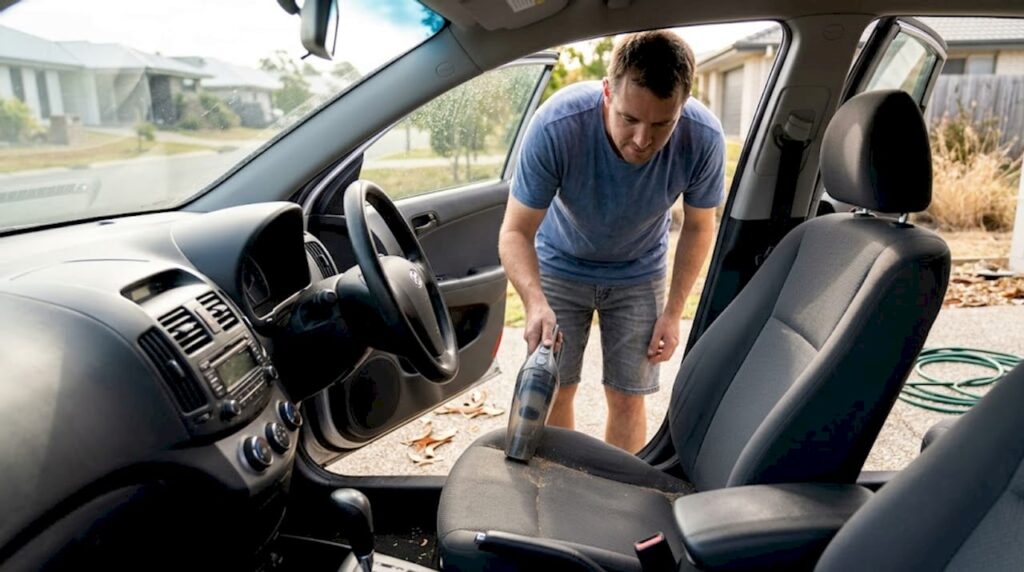
- Vacuum thoroughly. Use a crevice tool to reach between seats and under headrests. Get every seam.
- Spot treat stains. Apply your chosen cleaner to a cloth first, not directly onto the seat. Work from the outer edge of the stain inward.
- Deep clean fabric seats. Use a foaming upholstery cleaner or a steam cleaner on a low-moisture setting. Agitate gently with a soft brush.
- Treat organic stains with enzyme cleaner. For pet accidents, food, or vomit, enzyme cleaners for organic stains break down the biological material at a molecular level, removing odour at the source rather than masking it.
- Extract moisture. This is where professionals genuinely outperform DIY. Professional extraction removes far more moisture, significantly reducing mould risk.
- Dry completely. Open all doors, use fans if available, and allow at least one to six hours before closing the vehicle.
Useful tools and products to have on hand:
- Microfibre cloths (several, in different colours to avoid cross-contamination)
- Soft detailing brush and stiff mat brush
- Wet and dry vacuum
- Foaming upholstery cleaner for fabric
- Enzyme-based spot cleaner for organic stains
- pH-neutral leather cleaner for leather surfaces
For a deeper breakdown, our car interior cleaning guide covers specific product recommendations, and you can find the right gear in our round-up of top cleaning tools alongside the best cleaning solutions for Sunshine Coast conditions.
Pro Tip: Always do a patch test on a hidden section of your seat before applying any new product. Even gentle cleaners can affect certain dyes or fabric finishes unexpectedly.
Sunshine Coast challenges: Humidity, salt, and sand
Regular cleaning is important, but Sunshine Coast’s climate demands extra care. Here’s how to adapt your approach locally.
The threats your interior faces here are quite different from what a car owner in inland Australia deals with. Salt air corrodes fabric stitching and dries out leather. Fine beach sand acts like sandpaper on seat fibres every time someone sits down. High humidity creates ideal conditions for mould and mildew, especially after any wet cleaning that isn’t dried properly.
Key coastal threats to address:
- Salt residue: Invisible until it stiffens fabric or cracks leather. Wipe down surfaces with a damp cloth after beach trips.
- Fine sand: Vacuum immediately after coastal outings before passengers grind it into seats.
- Humidity and mould: Choose low-moisture cleaning methods wherever possible. Steam cleaning on a low setting is better than soaking seats.
- UV exposure: Strong Sunshine Coast sun degrades both leather and fabric from the inside out, accelerating fading and cracking.
For coastal areas, prioritise low-moisture steam methods, UV and leather protection, and consider mobile professionals who understand local salt, sand, and humidity conditions.
‘Incomplete drying leads to wicking stains and mould — never skip this step.’
Allow full air drying for one to six or more hours with doors open and fans running. Wicking happens when moisture buried deep in foam rises back to the surface as the car heats up, leaving tide marks.
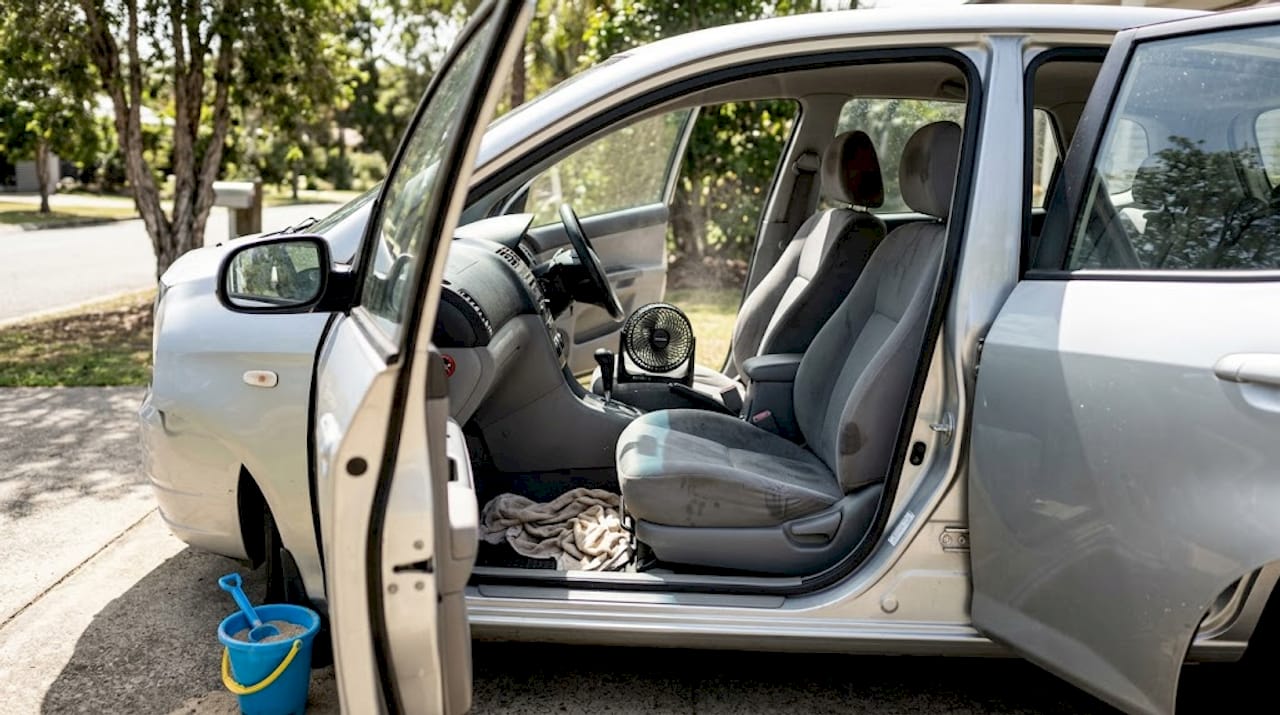
Local mobile detailing examples show how professionals bring the right equipment to your location, avoiding the issue of transporting damp seats during that critical drying window. Understanding mobile detailing best practices helps you see why on-site service is particularly valuable here.
Pro Tip: Schedule your deep clean for mid-morning. The sun and warmth of the day help evaporate moisture before evening humidity sets in, cutting your drying time significantly.
Comparing DIY versus professional upholstery cleaning
Adapting your cleaning routine for coastal conditions is key. Still, the choice remains: do it yourself, or bring in the pros? Let’s compare.
| Factor | DIY | Professional service |
|---|---|---|
| Cost | Low upfront, ongoing product cost | Higher per session, less frequent needed |
| Time | 1 to 3 hours per clean | You’re free while they work |
| Equipment | Basic vacuum and brushes | Extraction machines, steam, enzyme cleaners |
| Moisture removal | Standard home vacuum | 10x more moisture removed by extraction |
| Mould risk | Higher if drying is incomplete | Lower with professional drying protocols |
| Stain results | Good for fresh, light stains | Superior for set stains and organic material |
| Convenience | Requires your time and effort | Mobile service comes to you |
DIY works well for routine maintenance, quick spill response, and light surface cleaning. Where it falls short is in deep extraction, tough organic stains, and ensuring full moisture removal in a humid climate.
Professional service is worth the investment when you’re dealing with set-in stains, post-beach sessions with heavy sand and salt exposure, or any situation where mould is a genuine risk. Families and pet owners especially benefit. For those who care about both results and environmental impact, eco-friendly mobile detailing offers a compelling solution.
Routine maintenance: Keeping upholstery clean between deep cleans
Once you’ve decided on a cleaning approach, keep your car fresh with simple, ongoing maintenance.
The biggest mistake people make is waiting until the interior looks bad before doing anything. Small daily habits prevent the kind of build-up that turns a routine clean into a major job.
Simple habits that make a real difference:
- Shake out floor mats after every beach trip
- Keep a small rubbish bag in the car to avoid food wrapper accumulation
- Blot any spill immediately with a dry cloth before it soaks in
- Wipe leather surfaces with a damp cloth weekly to remove salt film
- Apply UV protectant to leather every two to three months
- Brush off sandy shoes before getting in
Here is a realistic schedule that suits a busy Sunshine Coast lifestyle:
| Task | Frequency |
|---|---|
| Shake out mats and remove rubbish | After each beach trip |
| Vacuum interior | Weekly |
| Spot treat any stains | Immediately |
| Wipe leather surfaces | Weekly |
| Apply UV/fabric protectant | Every 2 to 3 months |
| Full deep clean | Every 3 to 6 months |
A clean interior does far more than look good. It protects your health by reducing allergens and bacteria, and it directly supports your vehicle’s resale value. Explore the benefits of clean interiors and, if you travel with animals, our guide to pet-safe interior options will save you a lot of frustration.
Why most car upholstery advice doesn’t work on the Coast
Here’s an expert’s view on why typical advice isn’t enough for the Coast. Most upholstery cleaning guides are written for temperate, low-humidity climates. They assume you have time to let things air dry overnight, that salt isn’t eating your stitching, and that mould isn’t a genuine risk in your postcode. That advice simply doesn’t translate here.
We’ve seen vehicles where the owner followed a perfectly reasonable generic cleaning routine, only to end up with mildewed seats three weeks later because drying time was underestimated. The Sunshine Coast’s afternoon humidity can undo a morning clean that wasn’t dried aggressively enough.
The lesson is simple: speed and thoroughness of drying matter more here than the cleaner you choose. Getting the moisture out is the critical step, not just getting the stain off. That is exactly why mobile professionals who understand the local environment, and who bring extraction equipment on-site, deliver results that generic methods can’t match. Understanding a proper mobile detailing workflow shows how much thought goes into solving these local challenges efficiently.
Get pro upholstery results on your schedule
Ready to put these insights to use without the hassle? Here’s how local pros make car upholstery cleaning effortless.
At Isaac’s Pro Detailing Sunshine Coast, we bring everything to you. No dropping your car off, no waiting around. Our mobile service comes to your home, workplace, or wherever suits you, and we use professional-grade extraction and eco-friendly products built for coastal conditions. Clean upholstery that actually stays clean longer is the difference between a lasting visual impact and a result that fades by next week.

Regular professional care also means you save money and boost value over time by preventing the kind of deep staining and mould damage that costs far more to fix later. See how our mobile car detailing workflow delivers professional results without disrupting your day.
Frequently asked questions
How often should I deep clean my car upholstery?
Deep cleaning every 3 to 6 months is the standard recommendation, but Sunshine Coast residents with kids, pets, or frequent beach trips should aim for every 4 to 6 weeks for at least a thorough vacuum and spot treat.
What’s the best way to dry upholstery after cleaning?
Leave doors open with fans running for one to six or more hours. In the Coast’s humidity, skipping this step is what turns a clean car into a mouldy one.
Are professional cleaners better for tough upholstery stains?
Yes. Professionals use extraction equipment that removes 10 times more moisture than a home vacuum, dramatically reducing re-soiling and mould risk on set-in stains.
How do I protect leather upholstery from Sunshine Coast humidity?
Use UV and leather protection products every two to three months, and choose low-moisture steam methods when cleaning to avoid saturating and cracking the leather.