
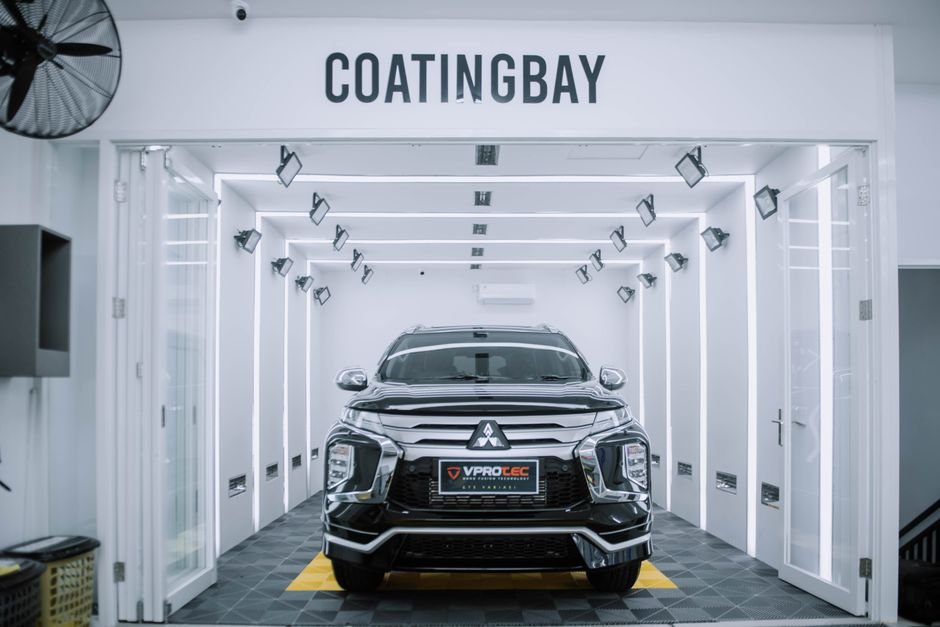
Coastal paint lives a hard life. Between the UV load, salt air carried in on the breeze, tree sap and the bat droppings that seem to find a freshly washed bonnet, a Sunshine Coast car spends most of its outdoor hours under attack. Ceramic coating is the product most owners end up researching, and most of them arrive with the same handful of questions. What is it, does it actually work here, what does it cost and how long before it needs redoing. Here are straight answers to those, without the marketing fog.
What a ceramic coating actually is
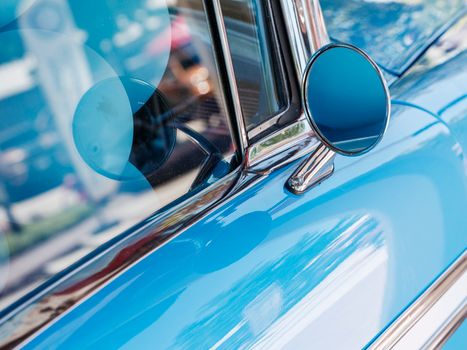
A ceramic coating is a liquid nano-ceramic product applied to prepared paint, where it bonds to the surface and cures into a thin, semi-permanent layer. Once cured it delivers a few things owners notice immediately: a glassy, mirror-like gloss, strong water beading, and a surface that dirt struggles to grip.
In practical terms, a coating sold on the Sunshine Coast typically promises:
- Hardness in the 9H range, which helps against wash marring rather than keys or trolleys
- UV protection to slow oxidation and fading under the Australian sun
- Hydrophobic behaviour, so rain and rinse water sheet away and take dust with them
- A glossier, deeper finish than wax or a spray sealant can hold for long
What it is not: a force field. Ceramic coating is measured in microns. It will not stop a stone chip, a door ding or a deep scratch, and any detailer who implies otherwise is selling you something that does not exist.
Does it hold up on the Sunshine Coast?
This is the question that matters most locally, and the answer is yes, with context. Coatings sold locally are pitched directly at the conditions we live in: airborne pollutants along the coastal strip, sun that oxidises and fades unprotected paint, tree sap, and bird or bat droppings that etch clear coat within a day or two if left alone.
A coating helps on two fronts. The UV resistance slows the dulling and chalking that old, unprotected paint develops. The hydrophobic surface means contaminants sit on top of the layer rather than soaking in, so a bird dropping that would have etched bare clear coat often rinses away cleanly, and washing takes less contact and less product.
The honest caveat is maintenance. A coated car that goes through a brush wash every fortnight and never gets a proper contact wash will still end up swirled. The coating buys you easier cleaning and better protection, not immunity from how the car is treated.
What does ceramic coating cost on the Sunshine Coast?
Advertised prices around the region range widely. Local listings have shown ceramic coatings from around $725, and coating packages from $999, reduced from a stated $1,399. Those numbers are a useful starting point, but they are not comparable until you know what sits behind them.
Four things drive the quote:
- Vehicle size and shape. A sedan, an SUV and a 4WD are not the same job, which is why tiered pricing is standard.
- Paint condition. A new car may need only a light polish. A five-year-old daily with swirls, water spots and contamination needs machine correction first, and correction is where the hours go.
- Coating duration. Most specialists offer a ladder of options, from a one-year coating through to a five-year product, with the longer tiers carrying more prep and a warranty.
- Extras. Wheels, calipers, glass, door jambs, trim and interior protection are usually priced separately or bundled into a top package.
Be cautious with the cheapest quoted figure. A coating applied over uncontaminated but uncorrected paint will lock in the swirls rather than remove them. Ask what prep is included before you compare numbers.
How long does it last, and what does the warranty cover?
Coating life is quoted in years, and the range on offer locally runs from one year up to five. The longer options are not simply a stronger bottle. They usually come with more thorough decontamination, more machine polishing, and a curing and inspection process that takes days rather than hours.
Top-tier coatings often come with a limited manufacturer warranty. Read it as a maintenance agreement as much as a guarantee. Warranties of that type generally require the car to be washed correctly, inspected periodically and looked after in line with the installer’s instructions. Neglect the maintenance and the warranty claim usually falls over.
What should happen before the coating goes on
The application itself is a small part of the job. The result is decided by the preparation, and a proper process runs roughly like this:
- A thorough wash and multi-stage decontamination to strip bonded iron, tar and fallout
- Clay treatment and a panel wipe to remove anything sitting on the surface
- Paint inspection under proper lighting to map defects
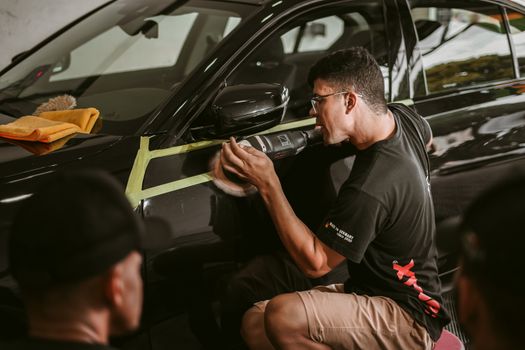
- Machine polishing or multi-stage paint correction to remove swirls and restore clarity
- Coating application panel by panel, in a controlled space
- A cure period, followed by aftercare instructions and often a post-cure check
A top-tier package of this kind can take two to three days on a sedan, and longer on a large 4WD. If someone quotes you a coating in ninety minutes, the prep has been skipped.
My car is brand new. Does it still need prep?
Yes, and this is the most common misconception among new car buyers. A vehicle straight off the boat has travelled thousands of kilometres under a protective film, sat in holding yards and been washed by someone else, usually in a hurry. New paint commonly arrives with light swirls, bonded contamination and the odd handling mark.
A new car typically needs less correction than an older one, which is why new car protection is usually the better value end of the pricing ladder. But it still needs a decontamination wash and at least a light polish before coating. Coating over contamination traps it under a semi-permanent layer.

Can it be done at my home or workplace?
On the Sunshine Coast, mobile coating is well established. Isaac’s Pro Detailing brings its own generator, so the work does not depend on a nearby power point. All we need is access to an outside tap. Service runs coastwide from Noosa to Caloundra, with zero travel fees on premium packages, online booking and SMS updates on arrival.
The practical requirements on your end are modest but worth checking: a level parking spot, reasonable space around the vehicle, and shade or a covered area where possible. Coating should not be applied in direct sun or in windblown dust, so a garage, carport or shaded driveway makes the job easier. If you only have open street parking, say so upfront so the plan can be adjusted.
Ceramic coating, wax, sealant or paint protection film?
These products are often mentioned together, and they do different jobs.
| Option | Typical lifespan | What it is best for |
|---|---|---|
| Wax | Weeks | Cheap short-term gloss, regular reapplication |
| Sealant | A few months | Easy protection between proper details |
| Ceramic coating | One to five years depending on tier | Long-term gloss, easier washing and UV and contaminant resistance |
| Paint protection film | Multi-year | Physical impact and stone chip protection on high-risk panels |
Film and coating are not rivals. On a performance car or a 4WD that sees gravel, the sensible combination is film on the exposed panels and coating over the rest. Ask for a recommendation based on how the car is actually used, not on what sounds most premium.
Looking after a coated car
Maintenance is simple and mostly about avoiding bad habits.
- Wash with a pH-neutral shampoo and a soft microfibre mitt, two buckets or a proper pre-rinse
- Skip automatic brush washes, which undo polish work faster than anything else
- Remove bird droppings, sap and insect residue promptly rather than at the next wash
- Dry with a dedicated microfibre towel or filtered blower to avoid water spotting
- Book the periodic inspection your coating warranty calls for
Questions worth asking before you book
Any specialist should answer these without hesitation, and the answers tell you more than the advertised price does.
- What decontamination steps are included?
- Is machine polishing part of the price, and how many stages?
- Which coating brand and which duration tier is being applied?
- What does the warranty actually cover, and what must I do to keep it valid?
- How many days will you need the car, and where will it be stored?
- What aftercare products and wash routine do you recommend?
Frequently Asked Questions
How long does ceramic coating last on the Sunshine Coast?
It depends on the tier you choose. Local options run from about one year up to five years, with the longer coatings carrying more preparation, more machine polishing and a limited warranty. Coastal UV, salt air and frequent washing all shorten real-world life, so the maintenance routine matters as much as the product on the label.
Does ceramic coating stop scratches and stone chips?
No. A coating measures in microns and its 9H hardness helps against light wash marring, not against keys, trolleys or gravel. If impact protection is your priority, paint protection film is the product designed for that job. Ceramic coating is best understood as gloss, easier cleaning and UV and contaminant resistance.
Can ceramic coating be applied at my home?
Often, yes. Mobile specialists on the Sunshine Coast bring their own equipment. Isaac’s Pro Detailing also brings its own generator, so you only need to provide access to an outside tap. You will need a level parking spot with reasonable space around the car, and shade or a covered area is strongly preferred, because coating should not be applied in direct sun or blowing dust.
How soon can I wash the car after coating?
Follow the installer’s instructions exactly, because cure windows vary between products. Most coatings need a period of dry, undisturbed curing before the first wash, and some need longer before any chemical contact. Your detailer should give you a clear timeline plus a recommended shampoo and wash method at handover.
Is ceramic coating worth it on a new car?
It is often the best value application, because new paint usually needs less correction than an older finish, which keeps the prep time and price down. The car still needs a decontamination wash and a light polish first. Transport film, holding yards and dealer washes can leave contamination and fine swirls behind.
If you are weighing it up, the practical test is simple. Look at how the car is parked, how often it is washed and how long you plan to keep it. A coated car rewards an owner who wants easier washing and a finish that holds its gloss through a Queensland summer, and the earlier the coating goes on, the less correction is needed to get there.