
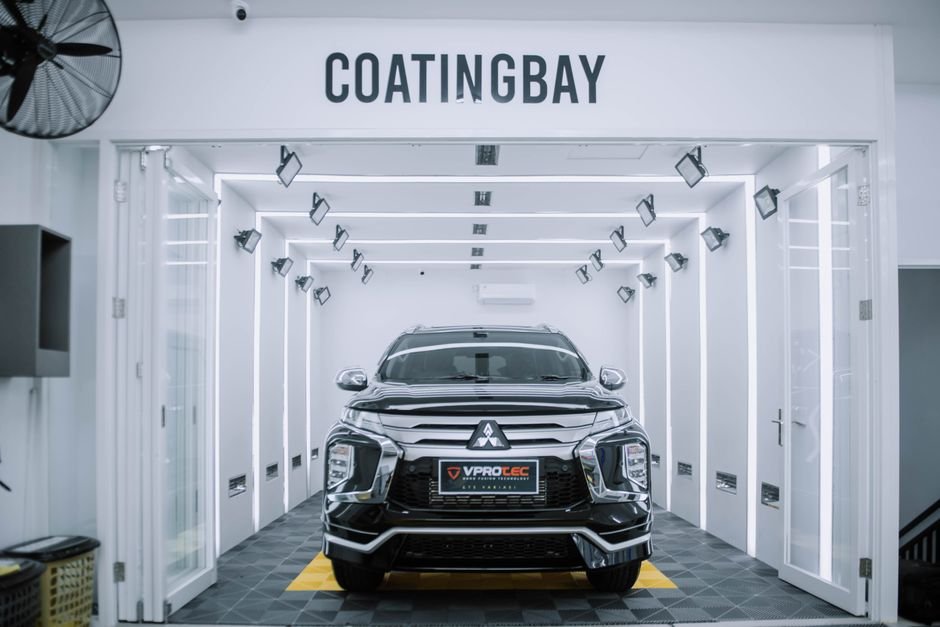
Paint on the Sunshine Coast lives a hard life. Strong ultraviolet light most of the year, salt in the air near the beaches, summer storms that dump dust and grit, and trees that drop sap onto bonnets in car parks. Ceramic coating has become the default answer for owners who want to keep a car looking sharp without waxing it every few weeks. It is also one of the most misunderstood services in the detailing industry, with plenty of marketing claims that overstate what a coating can physically do.
This guide covers what a ceramic coating actually is, how the preparation stage shapes the final result, the coating terms you will see advertised locally, the realistic price range across the region, and how to look after a coated car so the finish lasts as long as it should.
What a Ceramic Coating Does to Your Paint
A ceramic coating is a liquid polymer that is applied by hand to prepared paint and cures into a thin, semi-permanent layer bonded to the surface. Once cured, it produces a glossy, slick finish that shields the paint from water, dirt and UV rays. Because the surface becomes hydrophobic, water beads and rolls off rather than pooling, and it carries a good deal of loose dust with it. That is why coated cars are easier and faster to wash.
The hardness rating you see advertised, commonly 9H, refers to resistance to very light marring and wash-induced swirls. It is a useful benchmark, but it is measured under laboratory conditions and should not be read as armour. A coating sits on top of the clear coat and adds a sacrificial layer that takes the brunt of contamination, which is a real benefit for a car parked outside every day.
Why Coastal Conditions Punish Unprotected Paint
Sunshine Coast vehicles face a combination that accelerates paint degradation. Ultraviolet exposure breaks down clear coat over time, which shows up as dullness and eventually clear coat failure on horizontal panels like the bonnet and roof. Airborne salt near the coastline contributes to surface contamination and can dull a finish quickly if it is never removed properly. Add bird droppings, insect remains, tree sap and the fine dust that settles after a dry spell, and the paint is constantly under attack.
A coating does not make a car immune to any of this, but it reduces how aggressively contaminants bond to the surface and gives you a much better chance of removing them before they etch in. On a daily driven car that lives outside, that difference is meaningful over several years of ownership.
Preparation Decides the Result
Most of the work in a quality ceramic coating job happens before the coating bottle is opened. Applying a coating over contaminated or swirled paint simply locks the defects in under a hard layer, which makes them harder and more expensive to correct later. A proper job on the Sunshine Coast should follow a sequence like this:
- Initial wash and chemical decontamination to strip old waxes, sealants and road film.
- Iron and fallout removal, which is essential on white and light-coloured cars where bonded metal particles are most visible.
- Tar and adhesive removal on lower panels and behind the wheels.
- Clay bar treatment to pull embedded grit from the clear coat so the surface feels smooth.
- Machine polishing to remove swirls, wash marks and light scratches, which is where the gloss actually comes from.
- Panel wipe and inspection under proper lighting before any coating is applied.
- Careful coating application, followed by a cure period where the car must stay dry.
An older car with dull, swirled paint usually needs at least a single stage machine polish before coating. Published pricing from local providers reflects this, with entry-level coating packages that include a polish starting from around $700. Newer cars in good condition can often skip heavier correction, which brings the cost down.

Coating Terms and What the Tiers Mean
Sunshine Coast ceramic coating services are typically sold in terms rather than products. The term refers to the expected durability window under normal use, and longer terms usually mean more coating layers, higher solids content, or both.
| Term | Typical buyer | What it generally delivers |
|---|---|---|
| 1 year | Leased cars, short ownership, budget-conscious owners | Gloss, water beading and UV shielding with minimal correction |
| 2 to 3 years | Daily drivers kept outside | Stronger chemical resistance and easier washing over the medium term |
| 5 years | New cars and long-term owners | Maximum gloss retention, multi-layer application and a limited warranty |
Term length is only half the story. What matters just as much is who applies it, how much correction is included, and whether the vehicle is inspected and prepared properly on the day. A five year coating applied over swirled paint will look worse than a two year coating applied over corrected paint.
What Ceramic Coating Will Not Do
Setting expectations is the fairest thing any detailer can do for a customer, so here is the honest side of the ledger. A ceramic coating provides water repellency, UV protection and chemical resistance, but it does not prevent stone chips or scratches. Road debris hitting a bumper at speed will still mark it, and a trolley or a carelessly swung door will still leave a mark. If impact protection is your priority, paint protection film is the product designed for that job, and many owners pair the two by putting film on high-impact areas and coating the rest.
- It will not fix existing scratches, oxidation or clear coat failure. Those need correction or repainting first.
- It will not make the car self-cleaning. Washing is still required, just less frequently and with far less effort.
- It will not protect against every chemical. Bird droppings and insect remains left in the sun can still etch a coated surface.
- It will not last forever, and neglect shortens its life.

What Coatings Cost on the Sunshine Coast
Local pricing for ceramic coating is broad, and the spread reflects very different amounts of preparation. Published listings from Sunshine Coast providers show entry-level coating work starting around $700 to $950, promotional packages from roughly $999, and comprehensive new car protection packages from around $1,799. Those figures cover very different scopes, so compare what is included rather than the headline number.
At Isaac’s Pro Detailing, coating work is bundled into detailing packages rather than sold as a standalone spray-on. The Deluxe Detail ranges from $375 to $575 plus GST and the Revival Detail from $575 to $775 plus GST, tiered by sedan, SUV and 4WD. The Ultimate Protection Package is around $1,500 for a sedan, runs over two to three days, and includes polishing, a five year coating, wheel and glass and jamb coating, and an interior clean. A five year limited warranty applies to the coating itself.
Mobile Coating: How It Works Locally
A mobile setup removes the biggest friction point in getting a car coated, which is losing it to a workshop for days. Isaac’s Pro Detailing operates a fully self-contained mobile studio with its own water and power supply, so the work happens at your home or workplace anywhere from Noosa to Caloundra. There are no travel fees on the premium packages.
The practical considerations are the same as a fixed site. The vehicle needs to be undercover for application and curing, which usually means a garage or a shaded carport, and it should not get wet during the initial cure. Booking is handled online, and SMS updates confirm arrival so you are not waiting around all morning.
Caring for a Coated Car
The coating will not maintain itself. A fortnightly wash with a pH neutral shampoo and a soft microfibre mitt keeps the hydrophobic layer working properly and prevents contamination from bonding. Brush-style automatic car washes will dull the surface and introduce swirls, which defeats the purpose of the investment. Remove bird droppings and insect remains as soon as you notice them, and park under cover where possible to reduce UV load and fallout. A periodic decontamination wash, roughly every six to twelve months, helps the coating continue performing rather than gradually clogging with minerals and road film.

Questions to Ask Before You Book
Any reputable operator will answer these without hesitation. If a quote avoids them, treat that as a warning sign.
- What decontamination steps are included, and is machine polishing part of the price?
- How many layers of coating go on, and what product brand is used?
- What does the warranty cover, and what maintenance is required to keep it valid?
- How long will the car be with you, and where will it be stored during curing?
- Is the paint inspected and photographed before and after?
- What is recommended for the first wash after collection?
Frequently Asked Questions
Does ceramic coating stop stone chips and scratches?
No. A ceramic coating provides water repellency, UV protection and chemical resistance, but it does not prevent stone chips or scratches caused by impact or abrasion. It adds a thin sacrificial layer that helps against light marring from washing and contamination. If impact protection is your main concern, paint protection film on high-risk panels is the product designed for that purpose.
Can I wax a ceramic coated car?
You can, but there is no real benefit and some downside. Wax sits on top of the coating and can mask the hydrophobic behaviour that makes a coated car easy to wash. It may also interfere with the coating’s performance and any warranty conditions. If you want added slickness, use a maintenance product designed to work with ceramic coatings instead of a traditional wax.
How long does ceramic coating last on a Sunshine Coast car?
It depends on the term you choose and how the car is treated. Coatings are sold in one to five year options, with longer terms typically using more layers or higher solids content. Cars parked outside under heavy UV and near the coast will degrade faster than garaged cars, so regular washing with a pH neutral shampoo and prompt removal of bird droppings make a real difference to longevity.
Is ceramic coating worth the cost?
For most owners of new or well-kept cars, yes, provided the paint is properly prepared first. The value comes from easier washing, better gloss retention and reduced UV and chemical damage over the years you own the car. The cost is wasted if the coating is applied over swirled, contaminated paint, so prioritise preparation and correction quality over the headline term length in any quote you receive.
If you are weighing up a coating for a car that lives on the coast, get a quote that itemises the decontamination, the polishing and the coating term separately. That breakdown tells you far more about the finished result than any badge on the bottle, and it gives you a fair basis for comparing one Sunshine Coast provider against another.