
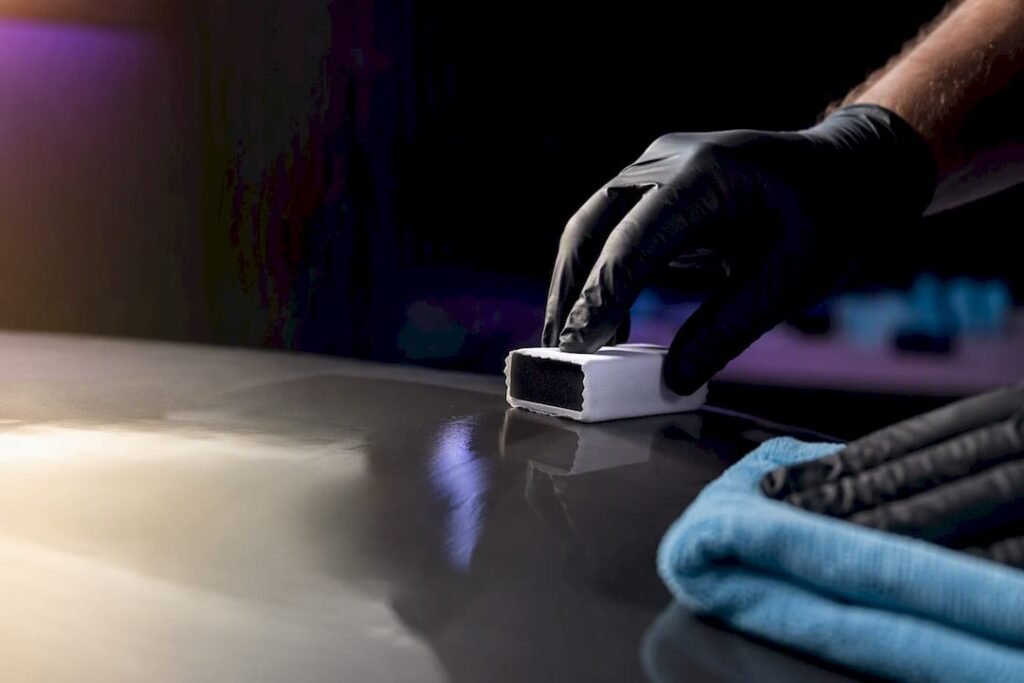
Ceramic coatings win on longevity, lasting years rather than months and holding up better against chemical staining and UV fade, while sealants win on price and ease, making them the sensible pick for a quick, low-cost refresh. The right choice depends on how long you plan to keep the car, how much upkeep you’re willing to do, and how much you want to spend upfront. Neither product works well without proper paint preparation, and both need some ongoing care to perform as expected.
TL;DR:
- Sealants are more budget-friendly and easier to apply, making them suitable for quick, short-term protection and owners planning to sell within a year or two.
- Ceramic coatings provide chemical and UV resistance that lasts for years, but require proper prep, controlled application conditions, and ongoing maintenance to reach their full lifespan.
- Sealants typically wear out in weeks or months and need frequent reapplication, while professional ceramic coatings can last from two to eight or more years with proper care.
- Both products need thorough paint decontamination and correction before application, with coatings demanding more skill and careful curing conditions during installation.
- Proper routine maintenance, such as regular pH-neutral washes and timely top-up treatments, significantly extends the effectiveness of either protection method.
Table of Contents
- Ceramic coating vs sealant at a glance
- What is a ceramic coating? Science, claims and real benefits
- What is a paint sealant, including spray and ‘ceramic’ sealants?
- Durability and lifespan: realistic months vs years
- Cost and value: comparing upfront price and ongoing cost
- Application and who should apply it: DIY versus professional considerations
- Maintenance and care: routine steps that extend life and performance
- Limitations and what to check before you trust either product
- Installer workflow and real-world recommendations
- How we think about sealant versus coating for different owners
- How Isaac’s Pro Detailing can help with paint protection
- Sources
- FAQ
Ceramic coating vs sealant at a glance
Before going deeper into chemistry and application, it helps to see where each product actually sits on protection, durability, and cost. The gap between them is bigger than most first-time buyers expect, and it shapes almost every decision that follows.
- Protection level: Ceramic coatings resist chemical etching and staining more effectively; sealants offer a lighter, sacrificial barrier that wears faster.
- Lifespan: Spray sealants and boosters typically last a few months, while professional ceramic coatings can run for several years with proper care.
- Ease of application: Sealants can be applied by hand in an afternoon; coatings usually demand corrected paint, controlled conditions, and a curing window.
- Hydrophobicity: Both repel water when fresh, but a coating’s beading and sheeting behaviour tends to hold up longer between washes.
- Chemical resistance:Paint sealants are simpler to apply and typically last months, while ceramic coatings bond at a molecular level for stronger chemical resistance.
- Cost shape: Sealants cost less per application but need reapplying often; coatings cost more upfront but spread that cost over a much longer service life.
- PPF compatibility: Ceramic coating can be applied over paint protection film to add gloss and an extra sacrificial layer, provided the film is clean and cured first.
Budget-focused owners planning to sell within a year or two often lean toward a sealant. Owners keeping a car long-term, especially in harsh sun or coastal air, tend to get more value from a coating.
What is a ceramic coating? Science, claims and real benefits
A ceramic coating is a liquid polymer, usually based on silicon dioxide, that reacts with the clear coat and cures into a hard, glass-like layer bonded to the paint rather than sitting loosely on top of it. That chemical bond is why coatings are described as semi-permanent: they don’t wash away or break down the way a wax does, and they hold their gloss and beading for years rather than weeks when applied correctly and maintained with compatible products.
What a coating genuinely does well:
- Resists chemical etching from bird droppings, tree sap, and bug splatter, giving you more time to wash them off before they mark the paint.
- Blocks UV exposure that would otherwise dull and oxidise the clear coat over time.
- Reduces staining from hard water spots and light contamination, since dirt has less to grip onto.
- Adds noticeable gloss and depth compared with bare or waxed paint.
What it doesn’t do is stop physical damage. A ceramic coating won’t prevent stone chips, won’t fill or hide deep scratches, and won’t stop a shopping trolley denting a door panel. It’s a chemical shield, not armour. Real-world lifespan then comes down to three things: how well the paint was decontaminated and polished before coating, how much sun and salt exposure the car sees day to day, and how carefully the installer applied and cured the product. Manufacturer and installer guidance notes that professional coatings can claim durability of several years, with some products rated up to six years under ideal conditions, though that figure assumes correct prep and ongoing care rather than a set-and-forget outcome.
What is a paint sealant, including spray and ‘ceramic’ sealants?
A paint sealant is a synthetic polymer film that sits on top of the clear coat rather than bonding into it. It’s a sacrificial layer: it wears away gradually as it’s exposed to sun, washing, and road grime, which is exactly why it needs reapplying far more often than a coating. Traditional sealants are applied by hand or machine and cure to a slick, glossy finish that sheds water well when fresh.
Spray sealants and the newer “ceramic-infused” sprays sold at auto parts stores are a different chemistry again. They typically contain small amounts of silica or resin blended into a carrier that’s wiped or sprayed on and buffed off in minutes, with no cure time and no professional application required. Consumer guides commonly place these products between wax and professional coatings on the protection spectrum, offering better durability than wax but nowhere near the longevity of a properly bonded ceramic coating.
Where sealants make sense:
- Owners who want a fast, DIY-friendly refresh without booking a professional appointment.
- Cars that will be sold or traded within a year or two, where long-term protection isn’t worth paying for.
- As a topper over an ageing coating to restore some hydrophobicity between full services.
- Budget-conscious owners who’d rather pay a little every few months than a larger sum once.
The trade-off is straightforward: easier application and lower cost in exchange for a shorter service life and weaker resistance to chemical staining.
Durability and lifespan: realistic months vs years
Lifespan claims vary wildly between products, so it helps to anchor expectations to a realistic range rather than marketing copy. Consumer-grade sealants applied by hand typically last a matter of weeks to a couple of months before water behaviour starts to fade. Quality spray sealants and boosters, reapplied correctly, can stretch to three to twelve months. Professional ceramic coatings sit in a different bracket entirely, with installer and manufacturer claims citing two to eight or more years depending on the product and how well it’s maintained.
| Product type | Typical lifespan | Main factors that shorten it |
|---|---|---|
| Consumer spray sealant | Weeks to a few months | Frequent washing, sun exposure, no reapplication |
| Quality spray sealant or booster | three to twelve months | Contamination build-up, abrasive washing |
| Professional ceramic coating | two to eight or more years | Poor prep, coastal salt, inconsistent maintenance |
A commuter driving mild, inland conditions and garaging the car overnight will sit comfortably at the upper end of any of these ranges. A coastal daily driver parked outdoors, exposed to salt air, harsh UV, and frequent contamination, will see the same products degrade noticeably faster, which is exactly why upkeep habits matter as much as the product choice. Read more on extending ceramic coating lifespan for climate-specific adjustments.
Cost and value: comparing upfront price and ongoing cost
The sticker price tells only part of the story. A DIY sealant might cost very little per bottle, but reapplying it three or four times a year adds up, both in product cost and in the hours spent applying it. Professional spray sealant and booster packages sit in the middle, offering a stronger initial application without the full commitment of a coating. Full professional ceramic packages cost the most upfront but are designed to be applied once and maintained rather than reapplied.
- Work out cost per year by dividing the price by how many times you’d need to reapply or top up across twelve months.
- A sealant reapplied four times a year can end up costing more in product and time than a single annual coating top-up.
- A higher upfront coating cost is easier to justify when you’re keeping the car for several years rather than planning to sell it soon.
- Factor in reduced wash frequency too: a well-maintained coating needs less scrubbing to look clean, which saves time either way.
The right comparison isn’t sealant price against coating price. It’s total cost over the years you’ll actually own the car.
Application and who should apply it: DIY versus professional considerations
Sealants are forgiving. Most can be wiped on and buffed off by hand in normal weather with decent results. Ceramic coatings are far less forgiving, which is why most owners choose a professional installer rather than attempting one at home.
- Decontaminate first. Iron removal, tar removal, and a clay or chemical decontamination step strip embedded grime that would otherwise get sealed under the coating.
- Correct the paint. A machine polish removes swirl marks and light scratches; anything left behind gets locked in permanently once the coating cures.
- Wipe with a solvent panel prep. This removes polishing oils and residue so the coating can bond directly to the clear coat rather than to a film of leftover product.
- Apply in controlled conditions. Temperature, humidity, and dust all affect how the coating levels and cures, and working in small sections while avoiding direct sun helps prevent uneven, hard-to-fix “high spots”.
- Respect the cure window. Rushing the first wash or exposing the car to rain too early can compromise the bond before it’s fully hardened.
If a full coating isn’t in the budget or timeline right now, a quality spray sealant is a reasonable stopgap, and it’s a step up from doing nothing while you save for a proper application. See our step-by-step application guide for the full process.
Maintenance and care: routine steps that extend life and performance
Neither product is maintenance-free, and skipping basic care is the fastest way to shorten the lifespan of either one. A pH-neutral shampoo, used with a two-bucket or foam-lance method, protects the surface far better than an automated brush wash, which can introduce fine scratches and strip hydrophobic behaviour over time.
- Wash every one to two weeks using pH-neutral shampoo and a soft mitt, rinsing thoroughly before and after to lift grit safely.
- Avoid automated tunnel washes with abrasive brushes, which are a common cause of premature coating and sealant wear.
- Apply a compatible topper or booster every three to six months depending on exposure, since tested toppers add a sacrificial layer without harming the coating underneath.
- Schedule a light clay or chemical decontamination every six to twelve months to strip embedded iron and industrial fallout before it etches in.
- Skip dish soap and household detergents entirely: they strip protective layers far faster than a proper car shampoo.
Pro Tip:Check water behaviour monthly by hosing a panel; if beading looks flat or sheeting slows down, it’s time for a topper before contamination gets a foothold. For a deeper maintenance routine, this ceramic coating maintenance guide covers product-agnostic wash habits that apply whether you’re running a coating or a sealant.
Limitations and what to check before you trust either product
Neither product is invulnerable, and the marketing around both tends to oversell what’s realistic. A ceramic coating resists chemical damage well but does nothing against stone chips, deep scratches, or dents, and it can’t fix paint that was already faded or damaged before application. Sealants wear down gradually and, being thinner and less durable, can end up masking early paint defects rather than preventing them, which sometimes surprises owners at resale.
UV-328, a UV absorber used in some automotive coatings and sealants, is subject to regulatory attention and limited exemptions.
Regulatory note: UV-328 is flagged for regulatory attention with only limited exemptions permitted in Australia, so it’s worth checking product ingredient lists and disposing of leftover chemical products through proper waste channels rather than down a household drain.
Watch for degradation signs on either product: water that sheets instead of beading, dulling gloss, or contamination that won’t rinse off cleanly. Any of these usually means it’s time for a wash upgrade, a topper, or a full re-service.

Installer workflow and real-world recommendations
A professional detailing service applies ceramic coatings using a workflow built around consistency rather than shortcuts, since uneven prep or a rushed cure is the most common cause of a disappointing result.
- Inspect the paint for existing swirl marks, chips, or prior coating residue before quoting the job.
- Wash thoroughly to remove loose dirt and grit before any decontamination begins.
- Decontaminate with iron removal and clay treatment to strip embedded contamination the wash alone can’t shift.
- Machine polish to correct light imperfections and create a level, glossy base for the coating to bond to.
- Wipe down and coat, applying the product in controlled sections to avoid uneven cure in warm weather.
- Allow a controlled cure, keeping the car undercover and away from rain or dust for the first stretch after application.
Owners should avoid washing the car for around seven to fourteen days after coating and keep it out of rain where possible during that early cure window, since moisture and contamination can interfere with the bond before it fully hardens.
Pro Tip:Book the first post-cure wash with the installer if you’re unsure, since an early wash done the wrong way is one of the few things that can undo a fresh coating.
How we think about sealant versus coating for different owners
We generally point owners toward a sealant when the car is being sold soon, the budget is tight, or someone just wants a quick refresh between bigger services. A coating earns its cost when you’re keeping the car for years, parking outdoors, or driving in salt air where chemical protection matters most. Every paint job is different, so we’d rather inspect the car and quote against its actual condition than guess from a general rule.
— isaac’s
How Isaac’s Pro Detailing can help with paint protection
Choosing between a sealant and a coating is easier once you know exactly what condition your paint is in, and that’s where a mobile inspection saves you from guessing. This mobile detailing service brings the full workflow to your home, workplace, or even the beach car park, so there’s no drop-off and no waiting around at a shop.
- The Ultimate Protection Package covers full paint correction and professional ceramic coating for owners after long-term protection, priced from $1,500 to $2,200.
- The Graphene spray sealant coating package suits owners after a strong mid-range option without the full coating commitment, priced from $339 to $739.
- A dedicated ceramic coating service is available with pricing quoted on request based on vehicle size and paint condition, detailed on the ceramic coating page.
Every booking starts with an on-site assessment of the paint before recommending a package, so customers pay only for protection appropriate to their vehicle’s condition. Get in touch to check availability and book your service at the location that suits you.
Sources
- Maintaining ceramic coatings with our car care pro – Bowden’s Own
- Duratek Labs – Ceramic coating product claims and installer guidance
- Paint Sealant vs. Ceramic Coating – Chemical Guys
- IChEMS advisory committee advice — UV-328 final
FAQ
Is ceramic coating better than sealant?
For long-term protection and chemical resistance, yes: ceramic coatings bond at a molecular level and last considerably longer than sealants. Sealants remain the better pick for owners who want a cheap, quick refresh or plan to sell the car soon.
Is there a downside to ceramic coating?
Yes: a coating protects against chemical staining and UV fade but does nothing to stop stone chips, deep scratches, or dents. It also requires proper paint correction beforehand and a controlled cure period, so a rushed or poorly prepped application can leave uneven results.
Is there anything better than ceramic coating?
Paint protection film handles physical impacts like stone chips that no coating can stop, and it’s often applied alongside a ceramic coating rather than instead of one for extra gloss and a sacrificial top layer. Neither product replaces the other; they solve different problems.
Are car sealants worth it?
Sealants are worth it for owners wanting an affordable, easy-to-apply option that lasts a few months at a time, particularly quality spray sealants that can stretch toward the higher end of that range with reapplication. They’re less cost-effective over several years compared with a properly maintained ceramic coating.