
TL;DR:
- Effective pet hair removal from cars requires combining vacuuming, friction-based agitation, and finishing tools in the correct sequence. Deeply embedded hair needs multiple steps, including vacuuming, rubber gloves, and targeted brushes, for thorough removal. Using preventative measures like washable seat covers significantly reduces cleaning time for pet owners.
The most effective pet hair removal tips for cars combine vacuuming, friction-based agitation, and directional tool work in a deliberate sequence. Pet hair does not sit on the surface. It embeds deep into fabric fibres due to foot traffic, body weight, and static charge, which is why a single pass with a vacuum rarely gets the job done. Tools like rubber gloves, pumice stones, and lint rollers each play a specific role in the process. Skipping steps or using them out of order leaves hair behind, especially in seams and carpet weaves.
1. Pet hair removal tips for cars: start with a thorough vacuum
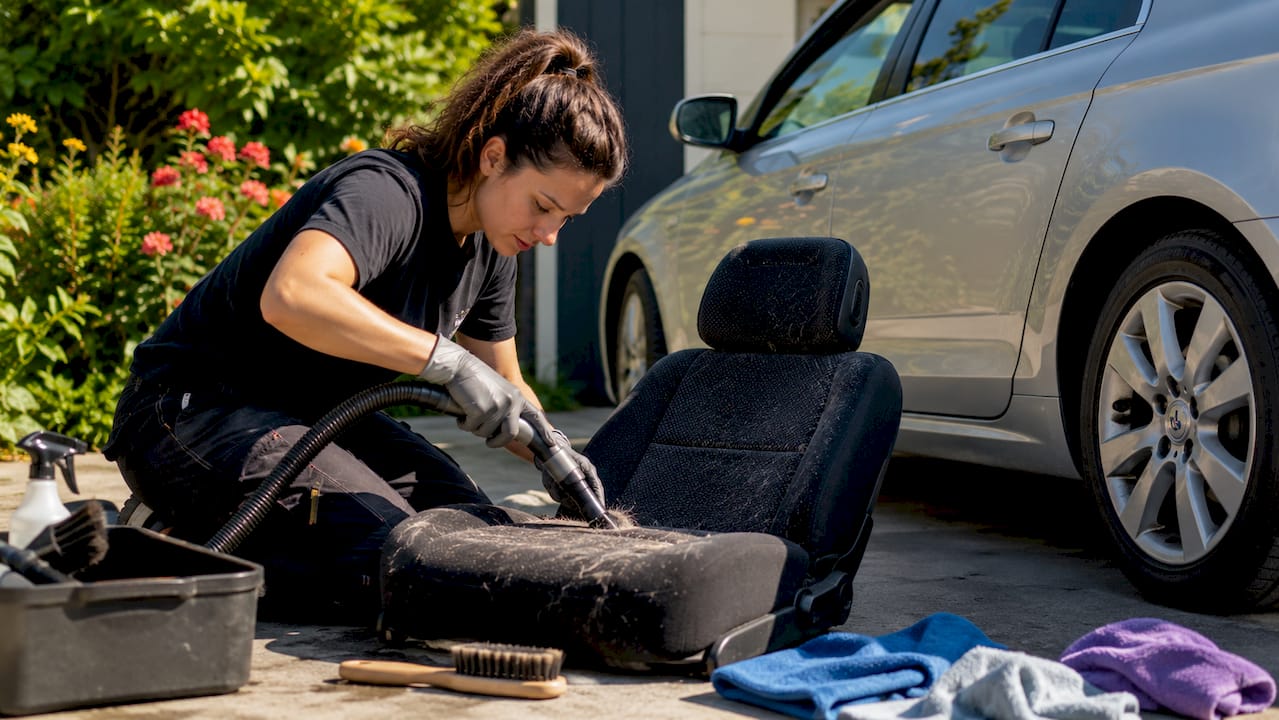
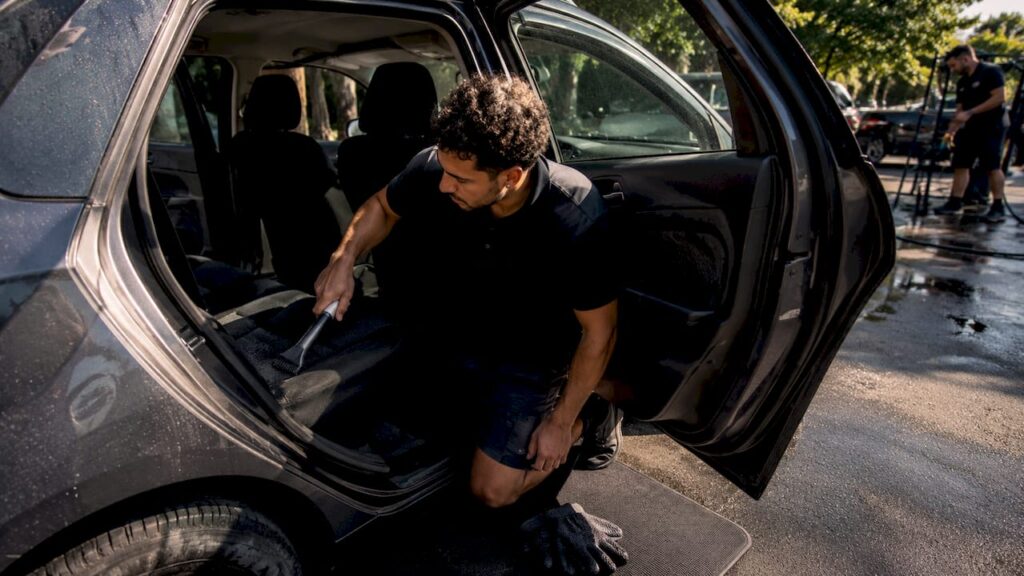
Vacuuming is the essential first step, but technique matters as much as suction power. Move the vacuum head slowly and work from multiple angles to lift loose hair and surface debris before you touch any agitation tools. Rushing this step pushes hair deeper into the fabric.
Consumer Reports found canister and upright vacuums perform best at lifting embedded pet hair from carpets. That finding matters for car owners because handheld vacuums, while convenient, often lack the suction depth to pull hair from tight weave fabrics.
Key features to look for in a vacuum for pet hair:
- Strong, consistent suction rated for carpet and upholstery
- A crevice tool for door seams, under seats, and console gaps
- A motorised brush attachment for carpet and floor mats
- A fabric nozzle for seat surfaces without scratching
Pro Tip:Vacuum the car twice: once before any agitation work to remove loose hair, and again after agitation to capture everything you have loosened. Skipping the second pass wastes all the effort you put into the agitation step.
2. Why rubber gloves are one of the best tools for the job
Rubber gloves create friction that breaks the static bond holding hair in fabric, clumping loose strands together for easy removal. This is the single most underrated tool in car pet hair cleaning. Most pet owners already own a pair.
Dampen the gloves slightly before you start. The moisture increases grip and pulls more hair with each swipe. Dry gloves still work but pick up less per pass.
Technique is everything here:
- Swipe firmly in one direction across the seat or carpet
- Repeat the same direction five to ten times before switching
- Collect the clumps by hand or vacuum them immediately
- Change direction after vacuuming to loosen a second layer of embedded hair
Silicone scrapers and rubber brushes work on the same principle and suit larger flat surfaces like rear cargo areas. The direction of agitation is critical. Switching directions after each vacuum pass consistently improves how much hair you lift from deep in the weave.
Pro Tip:Keep a pair of rubber gloves in the glovebox. A two-minute wipe-down after every trip with your dog prevents hair from embedding in the first place.
3. How to vacuum effectively after each agitation pass
Pro detailers recommend working in small sections using a loosen-then-vacuum cycle rather than treating the whole car at once. This prevents loosened hair from settling back into adjacent fabric while you work.
The cycle is simple. Agitate a section roughly 30 centimetres square, then vacuum it immediately before moving on. Repeat across the entire seat or carpet area. This method takes longer but removes significantly more hair per session than a single sweep approach.
Vacuum performance is not just about suction. Hair retention and pick-up from embedded layers depend on attachment choice and head speed. A motorised brush head on a slow pass outperforms a plain nozzle on a fast one every time.
4. Using pumice stones and pet hair stones for stubborn embedded hair
Pumice stones and dedicated pet hair removal stones pull trapped hair from tight carpet weaves that rubber gloves cannot reach. Kelley Blue Book recommends pumice stones as a targeted tool for deeply embedded hair, with a clear caution: test on a hidden spot first because abrasiveness can damage delicate upholstery.
| Tool | Best surface | Caution |
|---|---|---|
| Pumice stone | Short-pile carpet and floor mats | Can snag or damage fine fabric weaves |
| Pet hair removal stone | Carpet and cloth seats | Test on a hidden area before full use |
| Detail brush | Seams, vents, and tight gaps | Use light pressure to avoid scratching trim |
| Interior cleaning gel/putty | Vents, buttons, and narrow gaps | Not suitable for wet or sticky surfaces |
Use directional strokes with the stone, working in one direction only. Vacuum after every two to three passes to remove loosened hair before it redistributes. Short undercoat hairs from breeds like Labradors and German Shepherds embed more stubbornly due to their texture interacting with fabric weave. These require repeated passes from different angles and more patience than longer coat hair.
5. Finishing tools: lint rollers, compressed air, and cleaning gels
Lint rollers are a finishing tool, not a starting point. They pick up residual hair after vacuuming and agitation but are ineffective alone on deeply embedded strands. Use them as the last pass across seats and headrests to catch what the vacuum missed.
Compressed air is useful for seams, vents, and under-seat gaps where no brush or roller can reach. The catch is that compressed air alone redistributes hair inside the cabin. Use compressed air and vacuum extraction together at the same time, or blast a section and immediately vacuum it before moving on.
Cleaning gels and dust removal putty lift hair and fine debris from air vents, button clusters, and narrow trim gaps. Press the gel in, pull it out, and the hair comes with it. These products work well on hard plastic surfaces where brushes leave scratches.
A few finishing tips worth knowing:
- Use a microfibre cloth with a light anti-static spray on hard plastic trim to prevent hair from re-sticking
- Roll lint rollers in the direction of the fabric grain for better pick-up
- Replace lint roller sheets frequently; a full sheet picks up far less than a fresh one
- Keep compressed air cans upright to avoid moisture discharge onto upholstery
6. Matching your method to the upholstery type
Different upholstery materials need different approaches to avoid damage and get the best result. Using the wrong tool on the wrong surface wastes time and risks permanent marks.
Cloth seats trap hair the deepest. They need the full sequence: vacuum, rubber glove agitation, directional brushing, vacuum again, then lint roller. Avoid stiff wire brushes on cloth as they pull threads.
Leather and vinyl collect hair on the surface and in seams rather than deep in the material. A vacuum with a soft brush attachment removes most of it. Wipe seams with a slightly damp rubber glove to pull hair out of the stitching. Avoid pumice stones entirely on leather.
Floor mats and carpets take the most punishment because pets stand and sit on them. Remove mats from the car and beat them before vacuuming. This loosens compacted hair and makes the vacuum far more effective.
Hard plastic trim around the console, door panels, and dashboard collects fine hair in textured surfaces. A detail brush followed by a cleaning gel pass handles these areas cleanly.
Preventative measures cut future cleaning time significantly. Seat covers and regular post-trip cleanups reduce hair accumulation, especially for pet owners who travel frequently with their animals. A washable seat cover costs far less time than a full deep clean every fortnight.
Key takeaways
The most effective way to remove pet hair from a car is a multi-step process combining vacuuming, friction-based agitation, and targeted finishing tools in the correct sequence.
| Point | Details |
|---|---|
| Vacuum first and last | Vacuum before agitation to remove loose hair, then again after to capture what you loosened. |
| Use rubber gloves on fabric | Slightly damp rubber gloves break static bonds and clump embedded hair for easy removal. |
| Match tools to surfaces | Pumice stones suit carpet; avoid abrasive tools on leather and vinyl entirely. |
| Work in small sections | Use a loosen-then-vacuum cycle across 30-centimetre sections to prevent hair redistribution. |
| Prevent buildup with covers | Washable seat covers and quick post-trip cleanups reduce deep cleaning frequency significantly. |
What I have learned after years of detailing pet owners’ cars
The single biggest mistake I see is pet owners grabbing a lint roller first. It feels productive but it does almost nothing on embedded hair. The real work happens before the lint roller ever comes out.
After years of detailing cars on the Sunshine Coast, the workflow I keep coming back to is simple: vacuum, agitate with rubber gloves in one direction, vacuum again, switch direction, vacuum a third time, then finish with a lint roller. That sequence consistently outperforms any single-tool approach. The loosen-then-capture cycle is not optional. It is the difference between a clean car and a car that looks clean until you sit in it.
The other thing I tell every pet owner: patience with small sections beats speed across the whole car. Rushing spreads hair around. Working a 30-centimetre patch properly and moving on takes more time upfront but saves you from doing it twice.
Seat covers are the most underused prevention tool I know. A good quality washable cover on the back seat costs almost nothing compared to the time you spend on a full deep clean. If your dog rides with you more than once a week, a cover is not optional. It is just good sense.
— Isaac’s
Professional pet hair removal on the Sunshine Coast
Pet hair removal done properly takes time, the right tools, and a method that actually works from the inside out. If you have tried the DIY approach and still find hair embedded in your seats and carpets, a professional detail makes a real difference.

Isaac’s Pro Detailing comes to you across the Sunshine Coast, whether you are at home, at work, or anywhere in between. The mobile detailing workflow includes full seat and carpet extraction, friction-based pet hair removal, and finishing treatments that leave your interior genuinely clean. Check the wash menu and packages to find the right option for your vehicle and your budget.
FAQ
What is the best tool for removing pet hair from car seats?
Slightly damp rubber gloves are the most effective single tool for fabric seats because they break the static bond holding hair in the weave. Follow with a vacuum and lint roller for a complete result.
Why does vacuuming alone not remove all pet hair from a car?
Pet hair embeds deep into fabric fibres due to pressure and static, so vacuuming alone cannot lift it. Friction-based agitation with rubber gloves or a rubber brush is needed to loosen hair before the vacuum can capture it.
How do I clean dog hair from car carpets without damaging them?
Use a rubber glove or a dedicated pet hair removal stone with directional strokes, then vacuum immediately after each pass. Test pumice stones on a hidden area first, as they can damage fine carpet weaves.
How often should I clean pet hair from my car?
A quick post-trip wipe with rubber gloves after every trip with your pet prevents deep embedding. A full clean using the multi-step method is recommended every two to four weeks for regular pet travellers.
Does compressed air help with pet hair removal in cars?
Compressed air dislodges hair from vents and seams but must be paired with immediate vacuuming. Used alone, it redistributes hair to other parts of the cabin rather than removing it.