
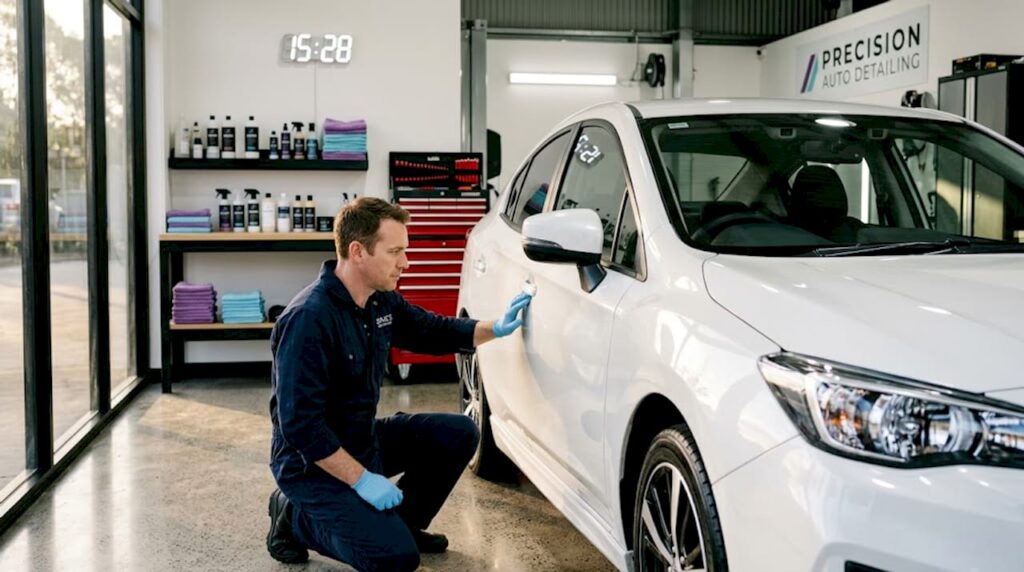
TL;DR:
- Vehicle rejuvenation is a comprehensive process that restores a car’s appearance, mechanical condition, and protective layers. It involves paint correction, interior refurbishment, trim revitalization, and mechanical checks, following a proper order for lasting results. This approach extends vehicle lifespan, enhances resale value, and supports environmental sustainability by reusing parts and reducing waste.
Most vehicle owners assume a quick wash and wax is all it takes to keep a car looking and running well. Vehicle rejuvenation is something far more thorough than that. At its core, what is vehicle rejuvenation really about? It’s a structured process of restoring a car’s appearance, mechanical condition, and protective layers to bring it back to its best. This guide covers the full scope, from paint correction and trim care to mechanical checks and eco-friendly practices, so you know exactly what the process involves and when it makes sense for your vehicle.
Table of Contents
- Key takeaways
- What vehicle rejuvenation involves
- Rejuvenation vs restoration vs refurbishment
- Environmental and economic benefits
- Practical steps to rejuvenate your car
- My take on vehicle rejuvenation
- Professional rejuvenation on the Sunshine Coast
- FAQ
Key takeaways
| Point | Details |
|---|---|
| More than cosmetics | Vehicle rejuvenation addresses paint, interior, mechanical condition, and protective coatings together. |
| Order matters | Always resolve mechanical and structural issues before any cosmetic work to avoid wasted effort. |
| Eco-friendly choice | Reusing parts and rejuvenating rather than replacing reduces CO2 emissions significantly. |
| Professional vs DIY | Ceramic coatings, paint correction, and trim work deliver far better results with professional application. |
| Flexible and scalable | Rejuvenation sits between a basic detail and a full restoration, adaptable to any budget or goal. |
What vehicle rejuvenation involves
Vehicle rejuvenation is not a single service. It’s a combination of processes that work together to address every layer of a car’s condition, from the surface down to the mechanical systems underneath. Understanding car restoration versus rejuvenation starts here: rejuvenation is the practical, flexible version of a full rebuild, focused on returning a vehicle to a high standard without stripping it back to bare metal.
The core processes typically include:
- Paint correction.Paint correction removes surface imperfections including swirl marks, light scratches, and oxidation to restore the paintwork’s original clarity and gloss. It’s one of the most visually dramatic steps in the whole process.
- Trim rejuvenation. Faded plastic and rubber trim can make even a well-maintained car look neglected. Specialised restorers and coatings revive colour and flexibility in exterior trim pieces.
- Interior refurbishment. This covers deep cleaning of seats and carpets, leather conditioning, odour elimination, and protection of surfaces that face daily wear.
- Ceramic coating application. Once paint is corrected, a ceramic coating locks in that finish and provides long-term protection against UV, contaminants, and water spotting.
- Mechanical checks. Battery condition, fluid levels, tyre health, and brake wear all fall within a thorough rejuvenation. Battery reconditioning using low-rate charging over 24 to 36 hours can restore voltage in lead-acid batteries still above 10V, extending service life without replacement.
The correct order for what vehicle rejuvenation involves is mechanical integrity first, structural soundness second, and cosmetic work last. Mechanical safety should always take priority before any money is spent on polishing or coating. There is no point investing in a flawless paint job over a car with a failing chassis or worn brakes.
Pro Tip:Never apply protective coatings or cosmetic treatments over suspected corrosion. Surface preparation and rust treatment must come before any topcoat, or you will seal the problem in rather than solve it.
Vehicle refurbishment techniques have also moved well beyond traditional polishing. Modern rejuvenation can include paint protection film, iron removal treatments, ozone deodorisation for stubborn interior smells, and even fabric protection applications. Each technique targets a specific layer of deterioration to give the vehicle a genuinely renewed feel.
Rejuvenation vs restoration vs refurbishment
These three terms are often used interchangeably, but they describe meaningfully different scopes of work. Knowing the distinction helps you make informed decisions about your vehicle and avoid spending more than necessary.
Vehicle restoration is the most extensive process. A professional ground-up restoration can take 8 to 14 months and cost $150,000 to $300,000 or more. It involves full disassembly, chassis treatment including galvanising, drivetrain rebuilding, bare-metal paintwork, and complete interior reconstruction. Stripping to bare metal before structural repairs is non-negotiable in genuine restoration work, because surface treatment alone leads to recurring corrosion failures.
Vehicle refurbishment sits at the lighter end of the spectrum. It typically targets specific functional or cosmetic deficiencies, such as reupholstering seats, replacing worn floor mats, or repainting a panel. It’s limited in scope and does not necessarily address the vehicle’s overall condition.
Vehicle rejuvenation lands in the middle. It’s flexible enough to cover everything from a full detail and paint correction through to interior renewal and mechanical servicing, without committing to the cost and timeline of a complete restoration.
| Approach | Typical scope | Approximate cost | Timeline |
|---|---|---|---|
| Rejuvenation | Paint correction, detailing, coatings, mechanical checks | $500 to $5,000+ | 1 to 5 days |
| Refurbishment | Targeted cosmetic or functional repairs | $200 to $3,000 | Hours to days |
| Restoration | Full disassembly, bare-metal work, rebuild | $15,000 to $300,000+ | Months to over a year |
For most everyday vehicle owners, rejuvenation offers the best return. You recover a significant amount of your car’s appearance and value without the time, cost, or disruption of a full restoration. It’s also the most practical option for vehicles that are mechanically sound but showing their age visually.
Environmental and economic benefits
There’s a reason vehicle rejuvenation is gaining traction among eco-conscious owners. The benefits of vehicle rejuvenation extend well beyond how the car looks on the driveway.
Reusing functional original parts is one of the most impactful choices in automotive maintenance. Reusing OEM parts reduces greenhouse gas emissions by up to 80% compared to manufacturing new components. That figure matters because automotive production is one of the most resource-intensive industries on the planet. When you recondition rather than replace, you are actively reducing demand for raw material extraction and factory energy use.
The broader benefits of vehicle rejuvenation from an environmental standpoint include:
- Extending vehicle lifespan reduces the frequency of new car manufacturing
- Reconditioning batteries and fluids keeps hazardous materials out of landfill
- Second-life applications for batteries, including stationary energy storage, extract additional value from components before disposal
- Reusing automotive parts supports the circular economy in the automotive aftermarket, cutting waste at multiple points in the supply chain
Economically, rejuvenation protects resale value in ways that neglect never can. A car with corrected paintwork, protected interior surfaces, and a documented service history commands a noticeably higher price than a comparable vehicle left to deteriorate.
Vehicle rejuvenation is not just about making a car look good today. It’s about preserving the value, safety, and usability of a machine that already exists, rather than accelerating the cycle of replacement.
On the luxury end of the spectrum, brands are now integrating wellness experiences into the vehicle itself. The Lincoln Rejuvenate system synchronises seat massage, ambient lighting, scent diffusion, and sound to create an in-car relaxation environment. This represents a newer dimension of vehicle rejuvenation that goes beyond the physical condition of the car into how it makes occupants feel.
Practical steps to rejuvenate your car
Knowing what the process involves is one thing. Applying it in the right order is what separates a genuine result from a cosmetic patch-up. Here are the steps to rejuvenate your vehicle in a way that actually lasts.
1. Start with a mechanical inspection. Check brakes, tyres, fluid levels, and battery condition before anything else. Early protective intervention prevents long-term wear that cosmetic work cannot hide.
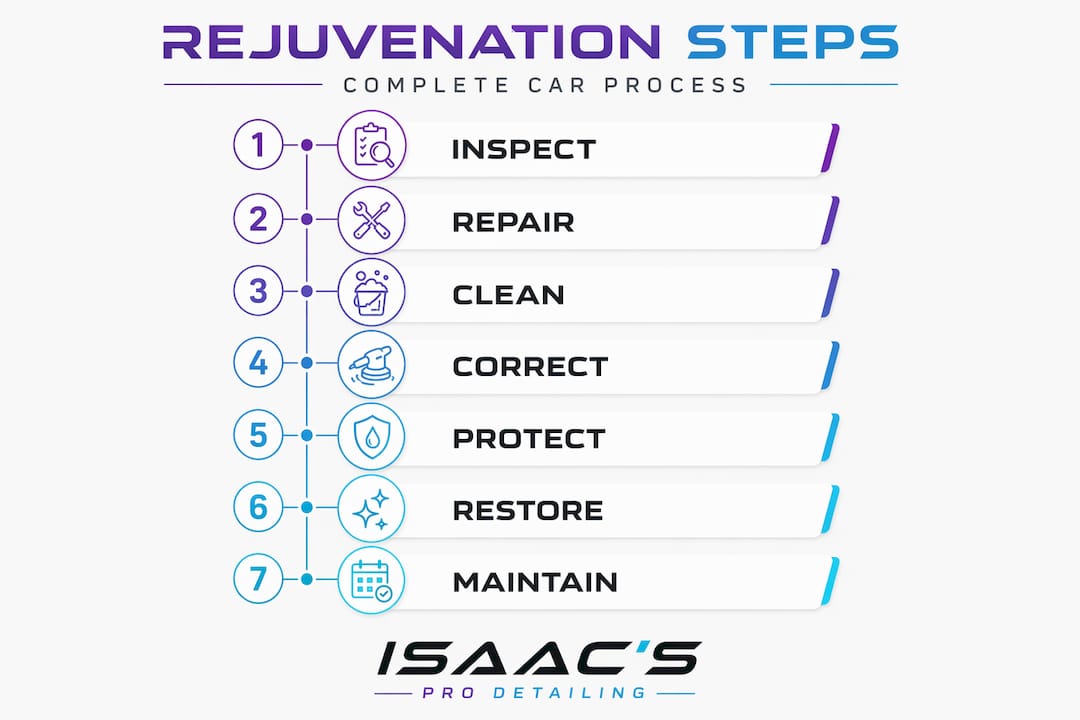
2. Address any structural concerns. Look for signs of rust, especially in wheel arches, sill panels, and the undercarriage. Treat and seal any affected areas before moving to paint.
3. Deep clean the interior. Seat and carpet extraction removes embedded dirt, allergens, and odours. Treat leather with conditioner to restore suppleness and prevent cracking.
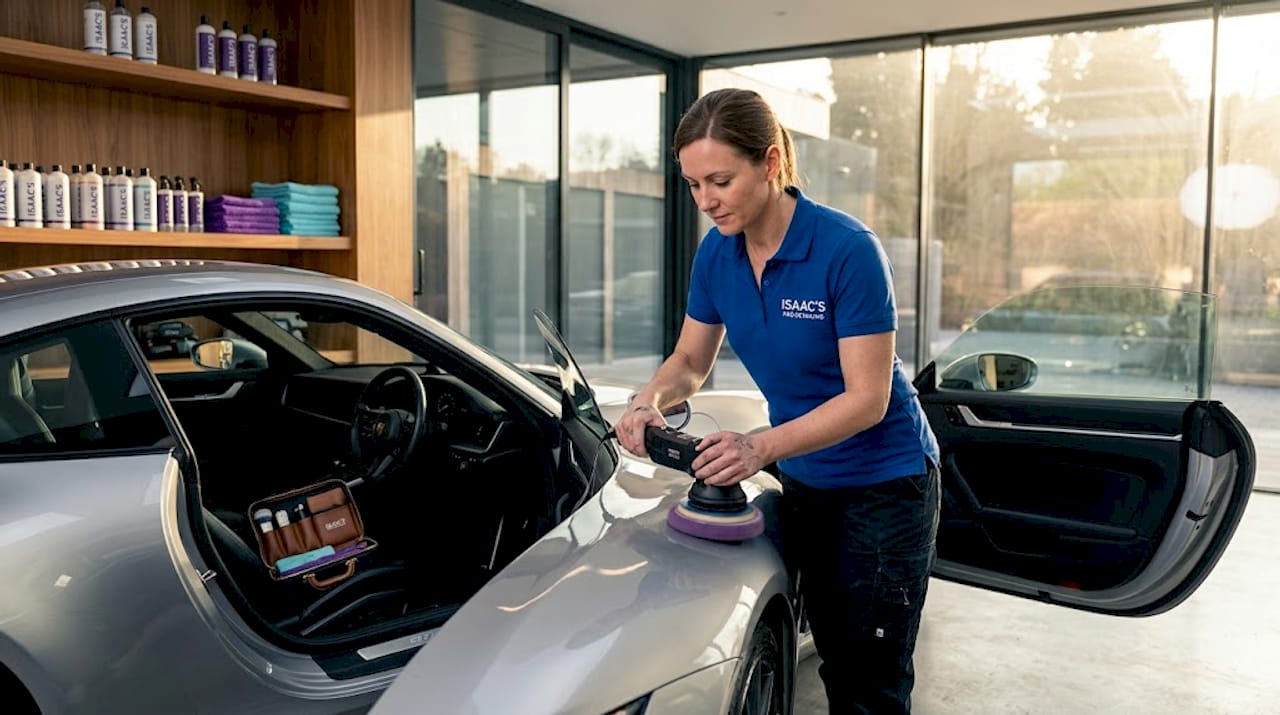
4. Correct the paint. Use a machine polisher with appropriate compounds to remove swirl marks, water etching, and light scratches. This step requires patience and proper technique, and it’s where detailing for car enthusiasts diverges sharply from a basic wash.
5. Apply protective coatings. Ceramic coatings on paint, wheels, and glass provide durable protection against UV and contaminants. Paint protection film adds physical impact resistance to high-wear areas like the front bumper and bonnet edge.
6. Rejuvenate exterior trim. Restore faded plastics and rubber seals with trim-specific products. For a thorough finish, follow the vehicle polishing process from surface prep through to final inspection.
7. Final inspection and maintenance plan. Walk around the vehicle in good lighting to catch anything missed. Set a maintenance schedule that includes regular safe washing, interior protection top-ups, and annual detail reviews.
Pro Tip:Safe washing technique matters more than most people realise. A two-bucket method with a quality grit guard prevents the majority of swirl marks caused by washing with a contaminated cloth. Skipping this step undermines every other investment in paint correction.
When weighing professional detailing against DIY, the honest answer is that paint correction, ceramic coating, and trim restoration consistently deliver better outcomes in professional hands. The equipment, product quality, and experience involved are not easily replicated at home. For interior maintenance and regular washing, however, a well-informed owner can absolutely sustain results between professional appointments. The interior care guide from Isaac’s Pro Detailing covers this in practical detail.
My take on vehicle rejuvenation
In my experience working with vehicles across the Sunshine Coast, the biggest mistake I see is owners treating rejuvenation as a one-day fix rather than a considered process. People want fast results, and that pressure pushes some operators to skip the preparation steps that actually determine the quality of the outcome. Fast-turnaround restorations that bypass bare-metal inspection or proper rust treatment look fine for six months and then fail in ways that cost more to fix than the original problem.
What I’ve learned is that the order of operations matters more than the products you use. I’ve seen expensive ceramic coatings applied over paint that was never properly corrected, and the result is a car that looks glossy in dim light but reveals every flaw the moment the sun hits it. Cosmetic work cannot substitute for preparation.
I also think the environmental angle of vehicle rejuvenation is underappreciated. Most people frame it as a cost question: is it worth spending money to bring the car back? But when you factor in what it means to keep a vehicle in service longer and reduce the demand for new production, rejuvenation becomes a genuinely responsible choice, not just a personal one.
The best results I’ve seen come from owners who commit to the full process, mechanical checks included, and then maintain what they’ve invested in with regular care. That approach produces vehicles that hold their value, look impressive, and stay reliable for years longer than the average.
— isaac’s
Professional rejuvenation on the Sunshine Coast
If you’ve read through the full process and are thinking about where to start, the honest answer is that professional help makes a significant difference for the steps that matter most.
At Isaac’s Pro Detailing, we bring the full rejuvenation process to your location across the Sunshine Coast. Whether you need paint correction and ceramic coating, deep interior extraction, trim restoration, or a complete detail package, we handle it at your home, workplace, or wherever suits you. Our mobile detailing workflow is built around quality and convenience, using eco-friendly products that protect your vehicle and the environment. Get in touch to discuss what your car needs and we’ll put together a treatment plan that matches your goals and budget.
FAQ
What does vehicle rejuvenation actually involve?
Vehicle rejuvenation covers paint correction, interior deep cleaning, trim restoration, protective coating application, and mechanical checks. It’s a multi-step process designed to restore a vehicle’s appearance and condition without a full rebuild.
How is vehicle rejuvenation different from restoration?
Restoration involves full disassembly, bare-metal work, and complete rebuilding, often costing $15,000 to $300,000 or more. Rejuvenation is a flexible, less invasive process focused on renewing a vehicle’s condition while keeping it in service.
How long does vehicle rejuvenation take?
Depending on the scope, vehicle rejuvenation typically takes one to five days. A full detail with paint correction and ceramic coating usually takes one to two days, while broader mechanical and cosmetic treatments may extend the timeframe.
Can vehicle rejuvenation improve resale value?
Yes. Paint correction, interior refurbishment, and protective coatings directly improve the condition grade of a vehicle, which affects its market value. A well-maintained vehicle with documented care history consistently sells for more than a comparable neglected example.
Is vehicle rejuvenation worth it for older cars?
For mechanically sound vehicles showing cosmetic age, rejuvenation typically offers excellent value. The key is resolving any mechanical or structural issues first, then investing in cosmetic renewal so the work actually lasts.