
TL;DR:
- Sunshine Coast vehicles face harsh UV salt and debris, causing rapid paint damage without proper protection.
- Ceramic coating and PPF are effective, durable options, best when combined on high-impact zones.
- Proper maintenance and professional application are crucial for long-lasting protection in coastal conditions.
If you think a regular wash and a coat of wax is enough to protect your car on the Sunshine Coast, think again. The combination of high UV, salt and debris makes this region one of the harshest environments for car paint in Australia. Salt spray drifts inland from the ocean, UV radiation is relentless, and road debris from coastal highways chips away at your clear coat faster than you’d expect. Most vehicle owners don’t realise the damage is happening until it’s too late and the repair bill arrives. This guide breaks down exactly what paint protection options are available, how they compare, and which solution suits your car and lifestyle on the Sunshine Coast.
Table of Contents
- Why paint protection matters on the Sunshine Coast
- Types of paint protection: Ceramic coating vs paint protection film (PPF)
- Choosing the right protection for your car and lifestyle
- Care and maintenance: Getting the most from your investment
- A local’s take: What most Sunshine Coast owners get wrong with paint protection
- Level up your car’s shine and protection with expert help
- Frequently asked questions
Key Takeaways
| Point | Details |
|---|---|
| Local threats demand more | Sunshine Coast UV and salt require stronger paint protection than regular waxing. |
| Ceramic vs PPF | Ceramic resists chemicals and UV, while PPF adds impact defence for chips and scratches. |
| Best protection is layered | Combining PPF for high-impact areas with ceramic elsewhere delivers maximum results. |
| Maintenance extends life | Gentle cleaning and annual checks keep protection working for years. |
| Expert help saves money | Professional advice ensures long-term savings and a brilliant, protected finish. |
Why paint protection matters on the Sunshine Coast
The Sunshine Coast is a brilliant place to live, but it’s genuinely tough on car paint. Sunshine Coast vehicles face intense UV radiation, salt corrosion, and more road debris than inland areas, creating a higher risk for paint damage year-round. That’s not just marketing language. It’s the physical reality of parking near the beach, driving on roads that get sand and grit blown across them, and living under a Queensland sun that doesn’t let up.
Paint protection works through three core mechanisms. Hydrophobic protection causes water and contaminants to bead off the surface rather than sitting and soaking in. UV resistance forms a barrier that absorbs or deflects ultraviolet rays before they break down your clear coat and fade the colour underneath. Physical barriers like film products stop chips, scratches, and abrasions from reaching the paint at all.
The main threats your car faces locally include:
- Intense UV radiation that fades and oxidises paint within a few years without protection
- Salt spray from ocean air that corrodes exposed metal and degrades unprotected clear coat
- Road debris including stones, sand, and grit that cause micro-scratches and chips
- Bird droppings and tree sap that etch into paint when left in warm conditions
- Humidity cycles that cause paint to expand and contract, weakening adhesion over time
Standard waxing offers a temporary shield, but in coastal Queensland conditions, most wax products break down within two to three months. That means you’re unprotected for most of the year unless you’re reapplying constantly.
For Sunshine Coast drivers, this is where professional-grade solutions earn their keep. Unlike wax, ceramic coatings and paint protection film (PPF) are engineered for multi-year performance. They don’t wash off in the first heavy rain, and they don’t degrade under UV the way conventional products do. If you want more background on keeping your vehicle in top shape locally, these detailing tips for Sunshine Coast drivers are a solid starting point.
Types of paint protection: Ceramic coating vs paint protection film (PPF)
Now that the need for serious protection is clear, let’s explore the most effective solutions available. The two dominant options in 2026 are ceramic coating and PPF. They work differently, cost differently, and suit different situations.
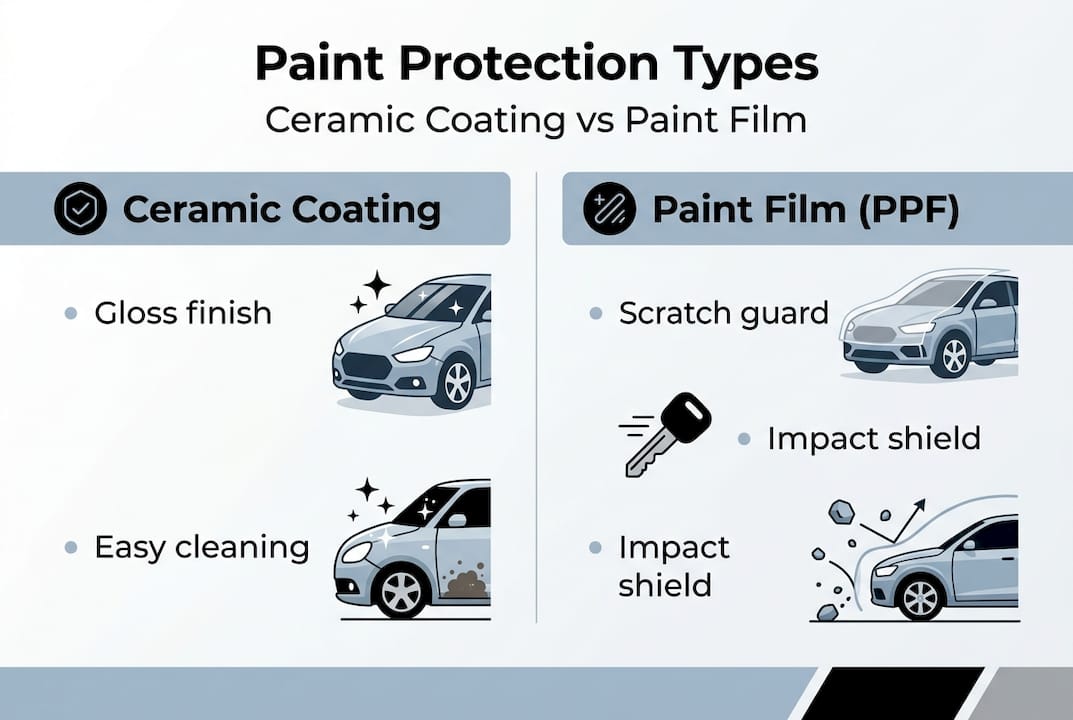
Ceramic coating is a liquid polymer that chemically bonds to your car’s paint surface. Once cured, it creates a hard, glossy layer that repels water, resists UV, and makes the car far easier to clean. It won’t stop a stone chip, but it will protect against light scratches, chemical stains, and the relentless salt air that plagues coastal cars.
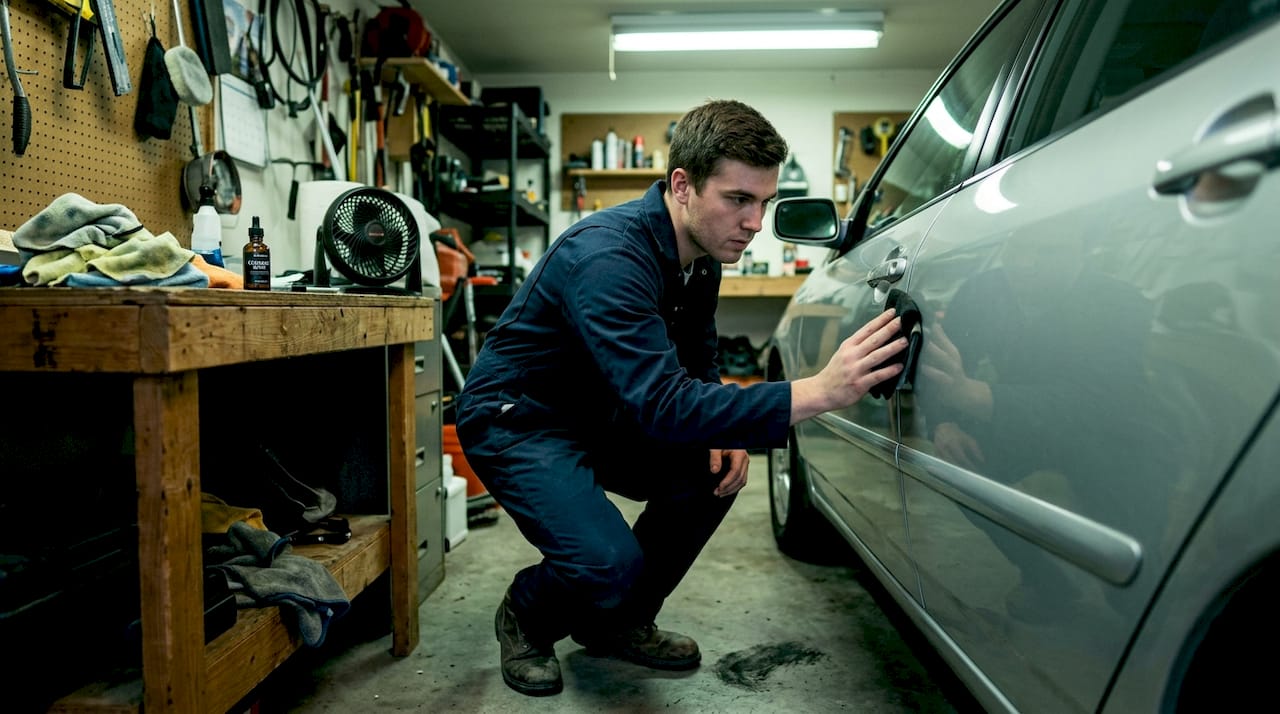
Paint protection film (PPF) is a thick, optically clear urethane film applied directly to the paint. High-quality PPF products are self-healing, meaning minor scratches disappear with heat exposure. PPF physically absorbs impacts that would otherwise chip or gouge your paint. It’s the gold standard for physical protection.
| Feature | Ceramic coating | Paint protection film (PPF) |
|---|---|---|
| Durability | 2 to 7 years | 5 to 12 years |
| Typical cost (AUD) | $800 to $2,500 | Partial: $1,200 to $2,500 / Full: $4,000 to $8,000 |
| Protection type | UV, chemical, light scratches | Chips, scratches, physical impact |
| Finish | High gloss | Clear, near-invisible |
| Maintenance | Gentle wash, annual inspection | Gentle wash, avoid pressure edges |
To decide which is right for your car, work through these steps:
- Assess your risk level. Do you drive on gravel roads or highways where stone chips are common? PPF on high-impact zones is worth it.
- Set a realistic budget. Ceramic coating gives excellent value for UV and salt protection at a lower entry price.
- Consider your vehicle’s value. Newer or higher-value cars benefit most from full PPF or a combined approach.
- Think about your parking situation. Cars parked outdoors near the coast need maximum UV and salt defence.
- Talk to a professional. A quick consultation with a detailing specialist can save you from over or under-investing.
Pro Tip: The best outcome for coastal vehicles is combining both solutions. Apply PPF to high-impact zones like the bonnet, bumper, and mirrors, then layer ceramic coating over the entire car for UV and chemical resistance. These Sunshine Coast paint protection steps explain the process in detail, and these pro detailing tips cover preparation and finish quality.
Choosing the right protection for your car and lifestyle
Understanding what each solution offers, here’s how to choose the one that suits your driving style and vehicle. Not every car owner has the same needs, and paint protection is not a one-size-fits-all decision.
| Owner profile | Recommended protection | Expected cost (AUD) | Priority zones |
|---|---|---|---|
| Daily commuter | Ceramic coating | $800 to $1,500 | Full exterior |
| Weekend driver / beach goer | Ceramic + partial PPF | $2,000 to $4,000 | Bonnet, bumper, mirrors |
| Car enthusiast / new vehicle | Full PPF + ceramic coating | $5,000 to $10,000+ | Full body |
| Budget-conscious owner | Ceramic coating only | $800 to $1,200 | Full exterior |
For most Sunshine Coast drivers, the sweet spot is a combination of PPF on high-impact zones with ceramic coating over the rest. This approach delivers maximum protection for coastal conditions without requiring a full-body PPF budget.
When weighing up your investment, consider these factors:
- Resale value. A well-protected car in excellent paint condition commands a noticeably higher price at trade-in or private sale.
- Repair costs avoided. A single stone chip repair or panel respray can cost $300 to $800 or more. Protection pays for itself faster than most people expect.
- Time savings. Protected cars are dramatically easier to wash and maintain, cutting your cleaning time significantly.
- Peace of mind. Parking near the beach or under trees stops being stressful when your paint has a proper barrier.
If you’re unsure where to start, this car care checklist walks through the key priorities for Sunshine Coast vehicle owners in a practical, no-fuss format.
Care and maintenance: Getting the most from your investment
Once your car is protected, ongoing care ensures your investment keeps paying dividends. Ceramic and PPF need regular gentle washes and specific aftercare to last their maximum advertised lifespan. Neglect the maintenance and you’ll see premature wear, fading, and reduced performance well before the coating’s rated end date.
Here’s a maintenance routine that works:
- Wash fortnightly using the two-bucket method. One bucket for soapy water, one for rinsing your wash mitt. This prevents grit from being dragged across the surface.
- Use a pH-neutral car shampoo. Harsh detergents strip ceramic coatings faster than anything else. Dedicated ceramic-safe shampoos are widely available.
- Rinse salt off after beach trips or coastal drives. Don’t let salt sit on the surface overnight. A quick rinse with fresh water makes a real difference.
- Dry with a clean microfibre towel. Water spots from tap water can etch into coatings over time, especially in warm weather.
- Inspect the coating every six months. Look for areas where water no longer beads. This signals the coating is thinning and may need a top-up.
Common mistakes that shorten the life of your protection:
- Using automatic car washes with abrasive brushes that scratch and degrade coatings
- Applying regular wax over ceramic coating, which can create a hazy, uneven layer
- Ignoring bird droppings or tree sap, which etch through coatings if left in the heat
- Using rough sponges or dirty cloths that introduce fine scratches
Pro Tip: Book a professional inspection and maintenance detail once a year. A trained detailer can identify early signs of coating failure, apply a maintenance top-up, and address any contamination before it causes lasting damage. For more on keeping the exterior in peak condition, these best practices for exterior cleaning are worth bookmarking.
A local’s take: What most Sunshine Coast owners get wrong with paint protection
Here’s the honest truth from working with vehicles across the Sunshine Coast. The most common regret we hear from car owners is skipping PPF on the bonnet and bumper to save money, then spending far more fixing stone chip damage six months later. A partial PPF application on high-impact zones costs a fraction of a panel respray, yet most people don’t make that connection until the damage is done.
The second big mistake is treating paint protection as a set-and-forget solution. Ceramic coating and PPF are not maintenance-free. They extend the life of your paint dramatically, but only if you look after them. We’ve seen coatings fail in under two years simply because the owner kept running the car through automatic washes.
Finally, many owners don’t realise that combining solutions is not just for luxury cars. Even a modest daily driver benefits from ceramic coating plus targeted PPF on the front end. The importance of detailing for car longevity is often underestimated until the paint starts showing its age. Getting professional advice upfront costs nothing and can save you thousands.
Level up your car’s shine and protection with expert help
If you’re ready to give your car genuinely lasting protection, working with a local professional takes the guesswork out of the process entirely. At Isaac’s Pro Detailing Sunshine Coast, we come to you, whether you’re at home, at work, or anywhere across the region.
Our mobile service means your car gets expert attention without disrupting your day. From understanding the right paint protection steps for your specific vehicle to accessing our full range of comprehensive car detailing services, we’ve got Sunshine Coast drivers covered. Ready to protect your investment properly? Book with Isaac’s Pro Detailing today and get the right solution for your car and your lifestyle.
Frequently asked questions
How long does ceramic coating really last in Sunshine Coast conditions?
Ceramic coatings last 2 to 7 years under normal conditions, but the high UV and salt exposure on the Sunshine Coast can shorten this significantly without consistent maintenance and proper aftercare.
Is PPF worth the price for only parts of the car?
Absolutely. PPF on high-impact zones like the bonnet and front bumper is highly cost-effective because these areas take the most damage from stone chips and road debris in coastal driving conditions.
Does wax still have a place if I get ceramic or PPF protection?
Not really. Ceramic and PPF provide longer protection than wax alone, and applying wax over a ceramic coating can actually interfere with its hydrophobic performance and leave a dull, uneven finish.
Can I apply ceramic coating or PPF myself?
DIY kits exist, but professional application guarantees a superior, bubble-free result with warranty coverage, which is especially important given the harsh conditions Sunshine Coast vehicles are exposed to year-round.