
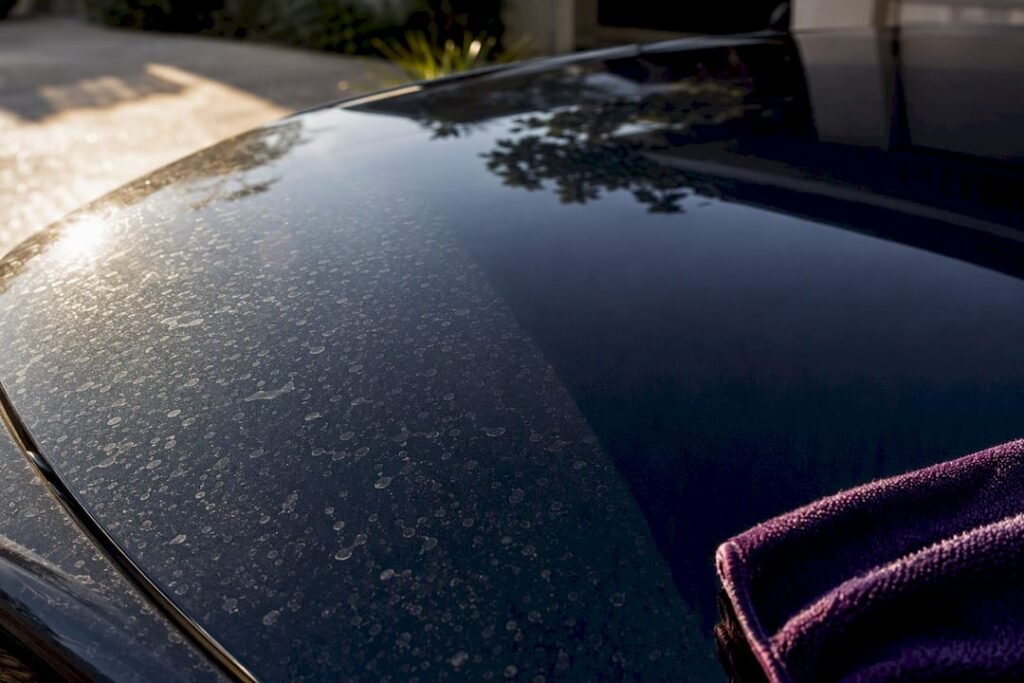
Ceramic coating remains the smarter default for most cars, backed by more than a decade of field data and predictable results. Graphene-enhanced coatings earn their premium only in specific conditions: cars parked outdoors in hard-water or high-UV areas, dark paint that shows every water spot, or owners chasing the longest possible protection window. Both trade-offs come down to proven performance versus marginal, newer gains, and the difference matters less than how well either one gets applied.
TL;DR:
- Ceramic coating is the default choice for most cars due to proven long-term performance and cost efficiency.
- Graphene coatings offer specific benefits such as better heat dissipation, water-spot resistance, and anti-static properties but lack extensive independent long-term data.
- Both coatings require proper preparation, including decontamination and correction, to ensure optimal bonding and durability.
- Proper application and maintenance, including avoiding harsh chemicals and washing in cool conditions, are critical to maximize coating lifespan.
- The decision between ceramic and graphene depends heavily on parking conditions, paint color, usage duration, maintenance capacity, and budget.
Table of Contents
- What is ceramic coating and how does it protect paint?
- What is graphene coating and how is it different from ceramic?
- How do graphene and ceramic coatings compare side by side?
- What are the real pros, cons and misconceptions?
- How do you maintain either coating and get realistic results?
- How do you choose between graphene and ceramic for your car?
- What does real-world application look like on the Sunshine Coast?
- Is graphene worth the extra money over ceramic?
- Get the coating done properly, not just decided properly
- Sources
- FAQ
What is ceramic coating and how does it protect paint?
Ceramic coating is a liquid polymer built around silicon dioxide, or SiO2, that chemically bonds to a car’s clear coat once cured. Rather than sitting on top like wax, it forms a semi-permanent layer that fills microscopic pores in the paint, creating a hard, glass-like barrier against UV rays, bird droppings, and light chemical staining.
Most professional-grade ceramic coatings carry a hardness rating generally around the top of the pencil hardness scale used in the coatings industry. That number sounds abstract until you understand what it actually protects against: fine swirl marks from improper washing and etching from acidic contaminants like bug splatter or industrial fallout. It does nothing for rock chips or deep scratches, which is why pairing a coating with paint protection film covers the gap ceramic can’t close on its own, according to the guidance from Tint a Car’s comparison of graphene and ceramic coatings.
Professional installers typically back their ceramic applications with warranties varying between a few and several years, supported by a genuine performance track record. Ceramic coatings have been in commercial use long enough that detailers can point to cars still performing well after eight or nine years of exposure.
What actually drives the cost of a ceramic job:
- Paint correction to remove existing swirls and oxidation before the coating goes on
- Full decontamination, including iron fallout removal and clay treatment
- Vehicle size, since a ute or SUV takes more product and labour than a hatchback
- The tier of coating product used, since professional-grade formulas cost more than consumer kits
What is graphene coating and how is it different from ceramic?
Graphene-enhanced coatings start with the same SiO2 base as ceramic but add graphene or graphene oxide flakes into the matrix. It’s a genuine material upgrade, not just clever marketing language stitched onto an old formula.
Graphene is a single layer of carbon atoms arranged in a honeycomb lattice, and it happens to be one of the best-known conductors of heat. When manufacturers work it into a coating, they’re chasing a handful of specific improvements over standard ceramic.
- Some graphene formulations claim hardness slightly above the typical top ceramic rating, according to Kovalent Coatings’ comparison of hardness and longevity claims.
- Better thermal conductivity helps the surface shed heat rather than trap it, which matters directly for water-spot formation on hot panels.
- Improved water-spot resistance, supported by research showing graphene composites can maintain a high water contact angle and resist losing that property after abrasion, per Flinders University’s work on superhydrophobic graphene coatings.
- Anti-static behaviour that cuts down on dust clinging to the surface between washes.
The catch is history. Graphene coatings have only been commercially available for a fraction of the time ceramic has, so there’s far less independent long-term data, particularly under Australian sun and salt-air conditions. Manufacturer claims of seven to nine year lifespans, as published by Kovalent Coatings, are worth taking as a starting point rather than gospel. Expect to pay a noticeable premium over standard ceramic for genuine graphene-infused product, and expect application technique to matter just as much as the chemistry.
How do graphene and ceramic coatings compare side by side?
Line the two up against the factors that actually change how your car looks and how much work it takes to keep it that way, and the picture gets clearer fast.
- Durability and lifespan: Ceramic warranties commonly sit at a few years with proven extended field performance; graphene manufacturers often claim longer durability up to several years, though independent verification over that timeframe is still thin.
- Surface hardness: Ceramic typically rates 9H; select graphene formulations claim 10H, but both numbers describe resistance to fine scratching, not impact protection.
- Hydrophobicity and water spots: Both bead water well when fresh; graphene’s thermal conductivity gives it a practical edge on hot panels where water evaporates unevenly and leaves mineral deposits behind.
- Heat dissipation: Graphene’s carbon lattice conducts heat more efficiently, which is the main reason it’s marketed as reducing water-spot etching in direct sun.
- Anti-static and dust attraction: Graphene’s anti-static properties noticeably cut down on dust clinging to panels, a real benefit for cars parked outdoors in dry, dusty regions.
- Maintenance and cost per year: Ceramic demands the same basic routine, pH-neutral shampoo, regular rinsing, periodic decontamination, and costs less upfront; graphene often needs less frequent detailing to look clean but carries a higher initial spend.
None of this changes the core physics: neither coating stops a stone chip or a shopping trolley dent. Both are surface-level chemistry, and the gap between them is measured in degrees, not categories.
What are the real pros, cons and misconceptions?
Marketing copy tends to flatten nuance, so here’s where each option genuinely earns its keep and where it falls short.
- Ceramic’s strength is its track record. It’s cost-effective, well understood by installers, and backed by years of real-world results across every climate. Its limitation is that it won’t outperform graphene on thermal handling or anti-static behaviour, and it offers zero defence against impacts.
- Graphene’s strength is measurable material advantages. Better heat dissipation, stronger water-spot resistance, and less dust cling are real, evidenced benefits, not just branding. Its limitation is a shorter commercial history, meaning long-term durability claims lean more on manufacturer testing than independent field data.
- The biggest misconception is treating hardness ratings as armour. A 9H or 10H rating measures resistance to fine abrasion, not impact strength, and confusing the two leads owners to skip PPF when they need it most.
Pro Tip:Don’t chase the hardness number alone. A correctly applied 9H ceramic coating on properly corrected paint will outperform a rushed 10H graphene job every time.
How do you maintain either coating and get realistic results?
Both coatings reward the same basic discipline: regular washing with a pH-neutral shampoo, gentle drying with microfibre towels, and a decontamination pass every few months to strip embedded iron particles and road grime before they etch into the surface.
Heat and hard water are the two biggest threats to how either coating looks day to day. Washing in direct sun causes water to evaporate unevenly and leave mineral spots baked onto hot panels, so timing matters more than most owners realise.
- Wash early morning or evening when panels are cool, never in direct midday sun.
- Keep a quick detail spray in the boot for spot removal between full washes.
- Let panels cool for a few minutes before drying if you’ve just driven the car.
- Book a maintenance inspection every 12 months to check coating integrity and reapply a top-up layer if beading has weakened.
Most warranties get voided by exactly the same mistakes: using dish soap or degreasers not rated for coated paint, skipping decontamination, or taking the car through automated brush washes that grind grit into the surface. Reading up on how to extend a ceramic coating’s lifespan before you commit to a wash routine saves a lot of regret later.
Pro Tip:Coatings and PPF aren’t competing products, they’re a team. PPF absorbs the impact damage neither coating can touch, while the ceramic or graphene layer on top handles UV, chemical staining, and gloss retention.

How do you choose between graphene and ceramic for your car?
Work through these questions before you spend a cent, because the right answer depends entirely on how and where you drive.
- Where does the car sleep at night? Garaged cars face less UV and water-spot stress, making standard ceramic perfectly adequate. Outdoor parking in a hard-water or coastal area tips the scales toward graphene’s thermal and anti-static advantages.
- What colour is the paint? Dark paint shows water spots and swirl marks far more obviously, which is where graphene’s added hydrophobic edge earns its premium.
- How long do you plan to keep the car? A short-term owner gets less value from a seven-year graphene claim than someone keeping the vehicle long term.
- How much maintenance are you actually willing to do? If regular washing isn’t realistic, graphene’s dust resistance buys you a bit more forgiveness between details.
- What’s the budget? Ceramic delivers strong value at a lower entry cost; graphene asks for more upfront in exchange for marginal surface gains.
When you’re talking to a detailer, ask directly what product tier they’re using, whether paint correction is included in the price, what the warranty actually covers, and what the recommended maintenance schedule looks like.
What does real-world application look like on the Sunshine Coast?
Coastal humidity, salt air, and long stretches of direct UV exposure all affect how a coating cures and how it performs once it’s on the car. Cars parked near the beach deal with salt fallout that accelerates the same etching a coating is meant to resist, which makes decontamination before application non-negotiable rather than optional.
Getting a coating to bond properly means the paint has to be completely clean and dry before product goes on. Skipping iron removal or clay decontamination, or applying in high humidity, is the single biggest reason a coating fails early or looks patchy within months.
Isaac’s Pro Detailing Sunshine Coast follows a staged process: decontamination, multi-stage correction where needed, then a controlled application and cure window that avoids rain or heavy dust exposure. The full ceramic coating workflow sets out each stage in more detail for owners who want the technical breakdown.
Is graphene worth the extra money over ceramic?
The evidence points to a simple trade-off: graphene’s material advantages are real but modest, while ceramic’s decade of field performance is proven. For most owners, that extra money is better spent on a higher tier of ceramic and flawless paint correction than on graphene chemistry alone.
— isaac’s
Get the coating done properly, not just decided properly
Working out whether graphene or ceramic suits your car is only half the job. The result depends entirely on the prep and application behind it, which is why professional installers focus on certified application and transparent packages delivered at the customer’s chosen location.

The Ceramic coating service covers proper decontamination and correction before any product goes on, which is the step most DIY jobs and rushed workshop visits skip. If your car spends most of its life parked outdoors or you’ve decided graphene’s thermal and anti-static edge suits your situation, the Graphene spray sealant coating package runs from $339 to $739 depending on vehicle size and tier. Owners after maximum coverage, including paint, wheels, and impact defence, should look at the Ultimate Protection Package, priced from $1,500 to $2,200. Every job is fully mobile: book online, pick your location, and Isaac’s brings the workshop to your driveway.
Sources
- Graphene coating vs Ceramic coating: Which is best for your car? | Tint a Car
- Graphene vs Ceramic Coating: Hardness, Longevity & Costs | Kovalent Coatings
FAQ
Which is better, ceramic or graphene coating?
Neither wins outright. Ceramic offers proven, decade-long performance at a lower cost, while graphene brings measurable but modest gains in heat dissipation and water-spot resistance, according to Tint a Car’s comparison. Most owners get better value from a well-applied ceramic coating unless they’re dealing with heavy outdoor exposure or hard water.
What are the downsides of graphene coating?
Graphene coatings cost more upfront and have a shorter commercial history, meaning long-term durability claims rely more on manufacturer testing than independent field data. Application quality also matters just as much as it does with ceramic, so a rushed job undoes any material advantage.
Can you put a graphene coating over a ceramic coating?
Layering graphene sealants over an existing ceramic coating is common practice and generally safe, since graphene sealants bond to the cured ceramic layer rather than the paint itself. Check with your installer first, as compatibility can vary between specific product lines and cure times.
How long do graphene coatings last?
Manufacturers claim graphene coatings can last seven to nine years, compared with typical three to five year warranties on professional ceramic coatings, according to Kovalent Coatings. Those figures assume correct application and consistent maintenance, so treat them as a ceiling rather than a guarantee.