
TL;DR:
- Vacuuming your car only cleans surface debris, leaving embedded allergens and bacteria untouched. Interior extraction with hot water removes up to 97% of contaminants, improving hygiene and prolonging material lifespan. Regular professional extraction is essential, especially for allergy sufferers, pet owners, and humid environments like the Sunshine Coast.
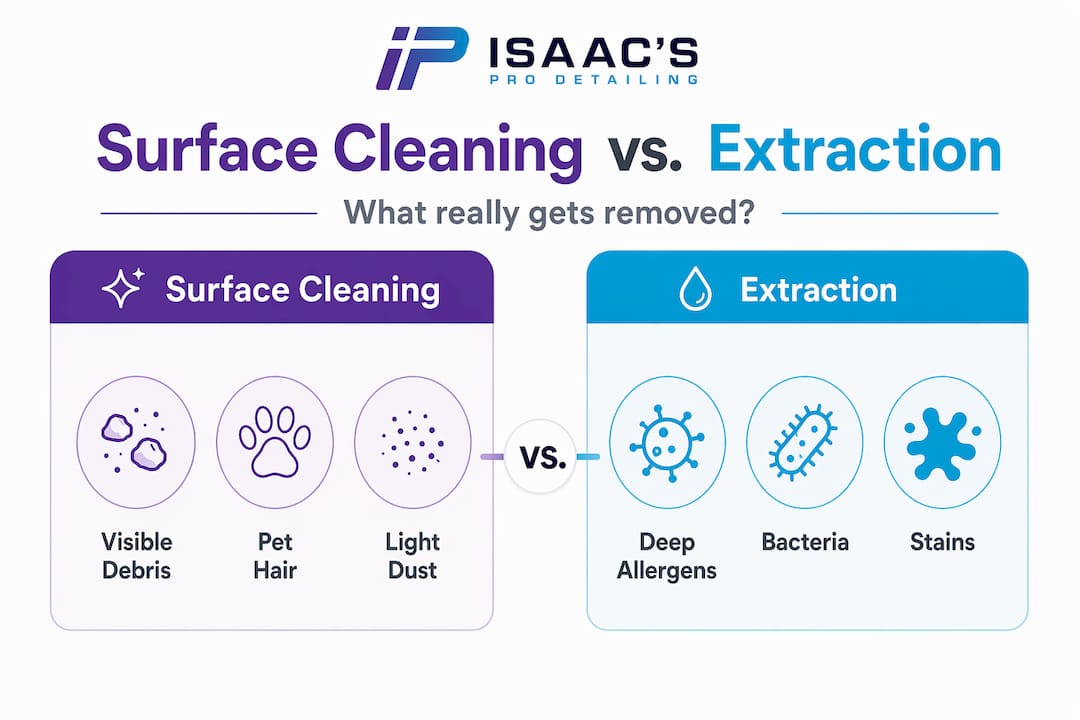
Vacuuming your car feels satisfying. The floor looks cleaner, the mats are free of visible grit, and the cabin smells a little fresher. But visible cleanliness and actual cleanliness are two very different things. The reality is that a vacuum only addresses what sits on the surface. Embedded oils, allergens, bacteria, and organic matter stay locked deep within your carpet fibres and seat upholstery. This is precisely why interior extraction exists, and why car owners who skip it are working with a false sense of clean. This article walks through what interior extraction is, the role of interior extraction in vehicle hygiene, and why the difference matters more than most people realise.
Table of Contents
- Key takeaways
- Why interior extraction should be in your car care routine
- What is interior extraction and how it works
- Health and hygiene benefits compared to conventional cleaning
- Protecting aesthetics and material longevity
- Practical considerations: cost, time, and when to book
- My honest take on interior extraction
- Get professional extraction on your schedule
- FAQ
Key takeaways
| Point | Details |
|---|---|
| Vacuuming is not enough | Surface cleaning leaves embedded allergens, bacteria, and oils locked inside fibres where they continue to cause harm. |
| Extraction removes up to 97% of allergens | Hot water extraction flushes contaminants from deep within upholstery, dramatically improving in-cabin air quality. |
| It protects material longevity | Regular extraction prevents fibre breakdown and premature wear, keeping seats and carpets looking newer for longer. |
| Professional results beat DIY | Commercial extractors control temperature, pressure, and pH at levels no consumer machine can replicate. |
| Frequency depends on lifestyle | Pet owners, allergy sufferers, and smokers benefit most and should schedule extraction every three to six months. |
Why interior extraction should be in your car care routine
Most car owners think of interior cleaning in two stages: a quick vacuum and a wipe down of hard surfaces. That approach handles the debris you can see. It does nothing for what you cannot. Ground-in dirt, spilled liquids that have wicked down through carpet backing, pet dander pressed into seat fibres, and the slow accumulation of skin oils on upholstery all sit well below the surface layer. A vacuum creates airflow across the top of a fibre. Interior extraction forces hot water and cleaning solution into the fibre, then pulls it back out along with everything it has loosened.
The importance of interior extraction becomes obvious the moment you see the colour of the extraction tank water after a professional clean. Even on a car that looks immaculate, that water runs brown. That is what lived inside your seats and floor coverings. Understanding this is the foundation for everything that follows.
What is interior extraction and how it works
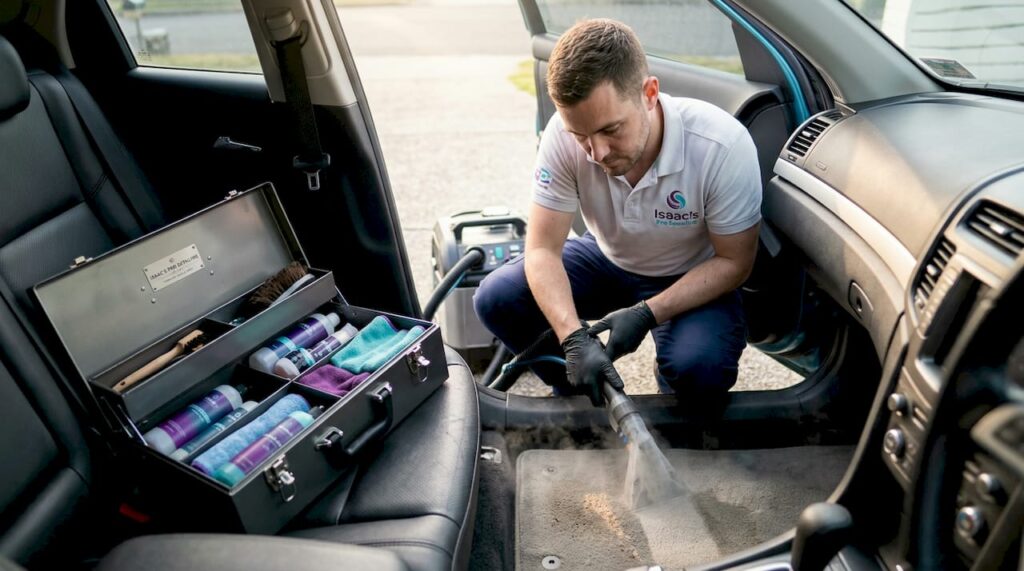
Interior extraction is a professional cleaning process that uses pressurised hot water, a cleaning solution, mechanical agitation, and powerful suction to deep clean soft surfaces inside a vehicle. It targets carpets, floor mats, fabric seats, headliners, and any upholstered panel. The equipment injects solution into the material and extracts it almost simultaneously, pulling contaminants up and out rather than pushing them around.
The professional extraction process typically uses 50 to 100 PSI spray pressure combined with over 100 inches of water lift suction. That combination is what separates extraction from surface cleaning. Heat between 150 and 200°F loosens soil bonds and protein residues while the suction draws them out before they can resettle.
A standard professional extraction service follows these steps:
- Pre-vacuum the entire interior to remove loose debris, pet hair, and surface-level dust before moisture is introduced.
- Apply a pre-spray treatment to break down oils, protein stains, and set-in soiling. Dwell time varies by contamination level.
- Agitate the pre-spray with a brush or rotary tool to work the solution into the fibre structure.
- Inject hot water at controlled pressure through the extraction wand, flushing the loosened contaminants upward.
- Extract simultaneously, with the machine pulling dirty solution back out before it soaks through to the backing or foam.
- Post-treat and dry with air movers or fans to reduce moisture and prevent mould growth.
Pro Tip:Before any extraction begins, check the fabric care code on your vehicle’s upholstery. Fabrics labelled “S” require solvent-based cleaning only. Using water-based extraction on these materials risks shrinkage, colour bleeding, or permanent texture distortion.
Health and hygiene benefits compared to conventional cleaning
Here is where the case for why interior extraction becomes genuinely hard to argue against. Hot water extraction removes 94 to 97% of common allergens including dust mites, pet dander, and pollen. The same process reduces airborne allergens by 67%, bacteria by 90%, and mould by 55%. No vacuum, no matter how powerful, comes close to those numbers.
The reason sits in how fibres behave. Carpets and upholstery function like passive air filters, trapping airborne particles below your breathing zone so they do not circulate freely through the cabin. That is actually a benefit, up until the point where the fibre is full. Once saturation occurs, particles stop being trapped and start being disturbed into the air every time someone sits down, adjusts position, or opens a door. Extraction empties that filter so it can do its job again.
Maintained upholstery and carpeting consistently outperforms hard surfaces in allergen control because the fibre holds particles in place rather than allowing them to become airborne. The key is regular extraction to flush those held particles out before the material becomes a source rather than a filter.
There is a persistent myth worth addressing directly. Many people believe that carpets resoil quickly after cleaning, which leads them to conclude that cleaning is not worth the effort. The real cause is almost always detergent residue left behind by cheap or incorrectly rinsed cleaning agents. Sticky residues attract fresh dirt at a faster rate than untreated fibres. Professional extraction with proper rinsing eliminates this problem entirely. When done correctly, your car’s interior actually stays cleaner for longer after extraction, not shorter.
Protecting aesthetics and material longevity
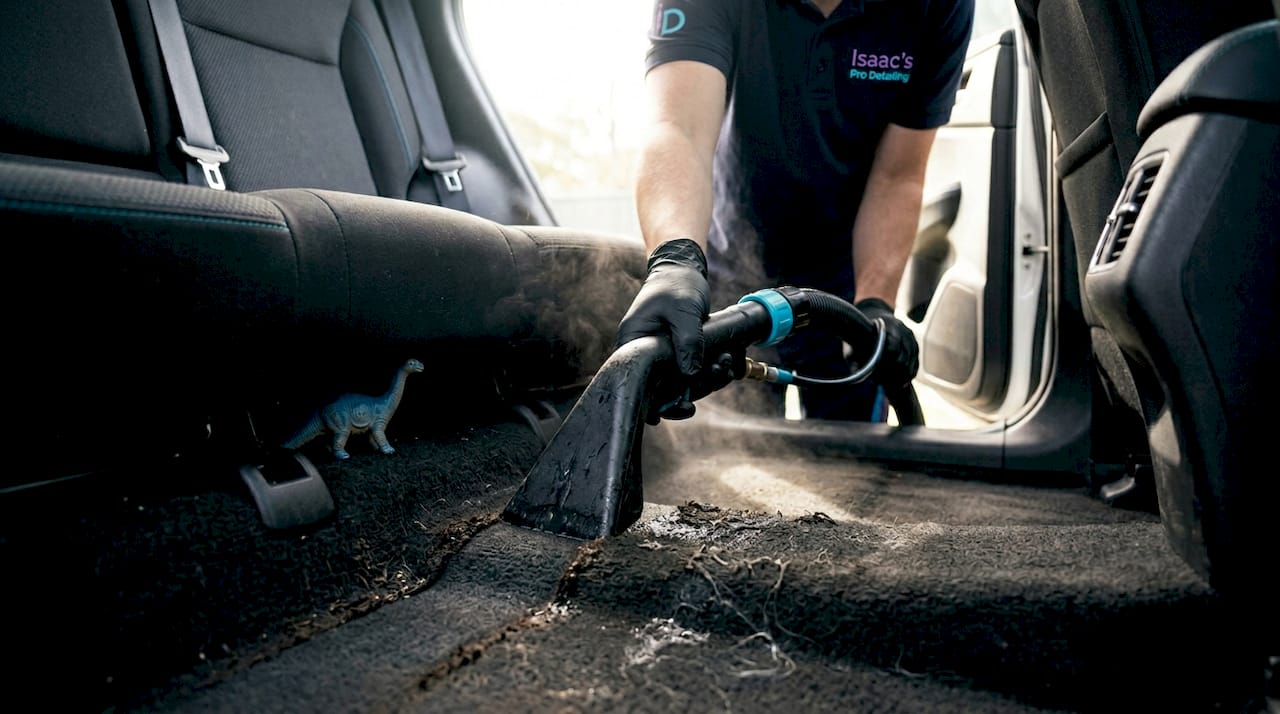
The visual benefits of interior extraction are immediate and, frankly, striking. Fabric pile that has been compressed and matted by years of use lifts back toward its original texture after a thorough extraction treatment. Stains that seem permanent are often still soluble, just trapped in layers that surface cleaning never reaches. The role of interior extraction in preserving your vehicle’s appearance is just as significant as its hygiene function.
Beyond appearance, regular extraction prevents premature fibre breakdown. Abrasive soil particles that sit embedded in carpet fibres act like sandpaper every time someone walks on them. That wear is cumulative and irreversible without professional intervention. Moisture from spills that is never fully extracted creates ideal conditions for mould growth and the kind of embedded odour that no air freshener addresses.
| Feature | Basic surface cleaning | Professional extraction |
|---|---|---|
| Allergen removal | Surface debris only | Up to 97% removal |
| Stain treatment | Masks surface marks | Flushes stain from fibre base |
| Odour elimination | Temporary masking | Removes organic source |
| Fibre condition | No improvement | Lifts pile, restores texture |
| Mould prevention | None | Removes moisture source |
| Longevity impact | Neutral | Extends material lifespan |
Pro Tip:Scheduling extraction every six to twelve months for average use vehicles does more for long-term resale value than most exterior treatments. A clean, fresh-smelling interior consistently ranks as one of the top factors buyers notice during a vehicle inspection.
Practical considerations: cost, time, and when to book
A basic interior detail without full extraction typically runs between $50 and $180 and takes around one and a half to three hours. A full extraction detail costs between $150 and $400 or more, with service times ranging from three to eight hours depending on vehicle size and how embedded the contamination is. Larger SUVs and vehicles with significant soiling sit at the higher end of both ranges.
Several factors push that cost up or down. Pet hair is labour-intensive to remove before extraction can begin. Vehicles that have never had extraction done professionally require more chemical dwell time and additional passes. Add-ons like ozone deodorisation or fabric protection coating add to the final figure but extend the results considerably.
Here are the scenarios where interior extraction moves from a good idea to a genuine priority:
- Allergy sufferers who spend significant time in their vehicle and notice symptoms worsening during drives.
- Pet owners, particularly those transporting dogs or cats regularly, where dander and odour accumulate rapidly.
- Smokers or passengers who smoke, since tobacco residue penetrates deeply into upholstery and requires extraction to address properly.
- Families with young children who spend time on vehicle floors and seats where contact with embedded bacteria is higher.
- Anyone buying or selling a used vehicle, where interior condition directly affects perceived value.
- Coastal vehicle owners on the Sunshine Coast, where humidity accelerates mould and odour development in upholstery.
Professional-grade equipment including hot water extractors and ozone treatment machines sit well beyond what consumer tools offer. The precision of temperature control, pH management, and suction power that professional extractors use simply cannot be replicated by a portable domestic machine. For genuinely embedded contamination, DIY extraction often moves the problem rather than removes it.
My honest take on interior extraction
I have detailed hundreds of vehicles across the Sunshine Coast, and the single most consistent thing I see is people underestimating what lives inside their car. Not because they are negligent, but because a clean-looking interior genuinely feels clean. That feeling is the problem.
What I have learned is that the vehicles I see with the worst hidden contamination are not the obviously dirty ones. They belong to owners who wipe down surfaces regularly and vacuum every fortnight. The discipline is there, but the method stops short. Extraction fixes what that discipline cannot reach.
I used to think the cost objection was the main barrier. Now I think it is expectation. People assume extraction is something you do once after a major spill or before a sale. My experience says the opposite. Regular extraction, done properly before problems compound, costs less overall and keeps a vehicle genuinely hygienic rather than superficially clean. The Sunshine Coast climate makes this even more relevant. Heat and humidity accelerate every biological process inside a cabin. What might be a minor odour in a dry climate becomes a mould issue here within weeks.
The vehicles I have seen benefit most dramatically from extraction are the ones where the owner waited. Do not wait.
— Isaac’s Pro Detailing
Get professional extraction on your schedule
At Isaac’s Pro Detailing, seat and carpet extraction is carried out on-site at your location across the Sunshine Coast. No drop-offs, no waiting rooms.
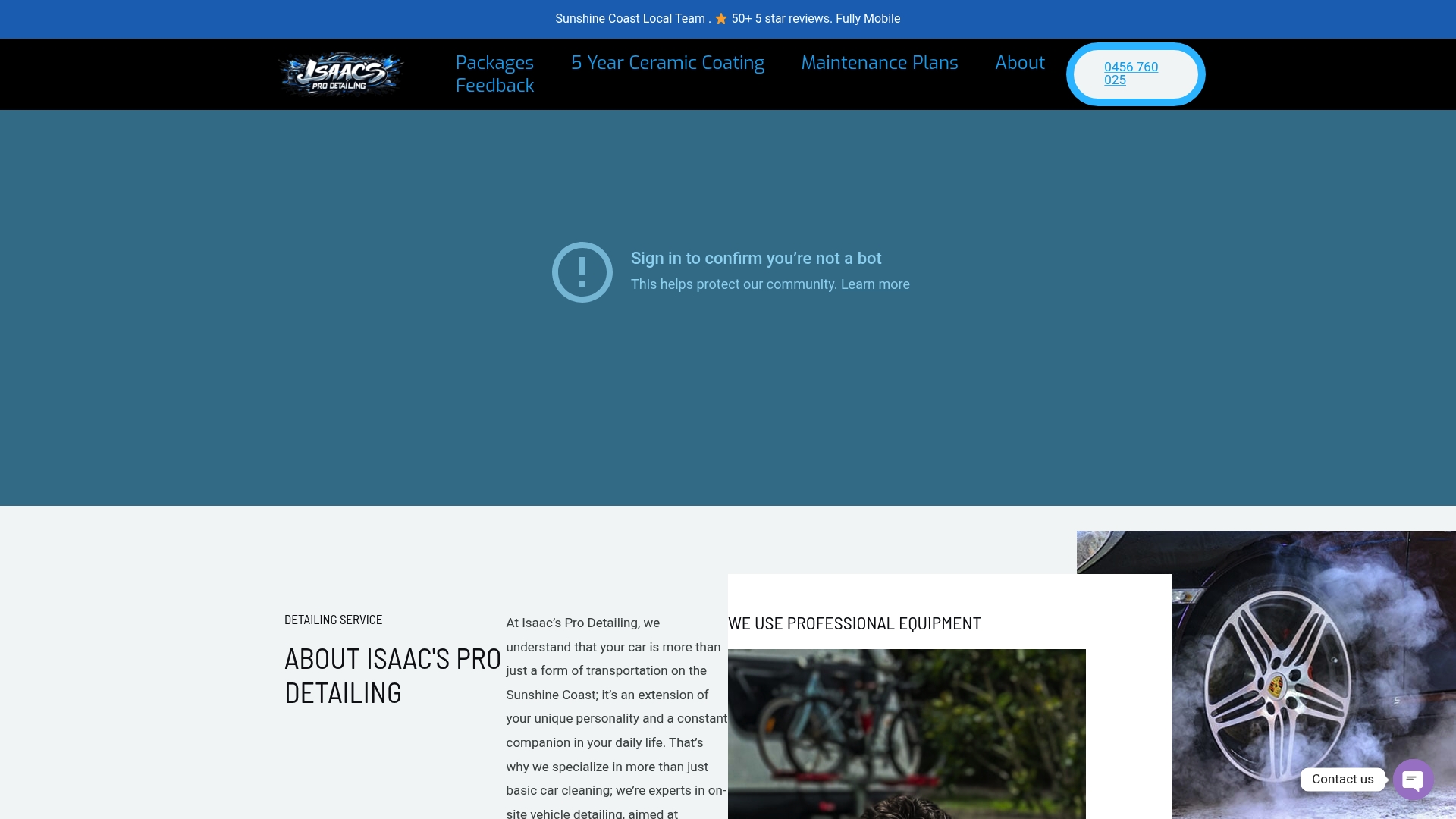
Our mobile extraction service uses professional-grade hot water extractors to address embedded stains, allergens, pet dander, and odours at their source. Whether you are dealing with years of built-up grime or just want to maintain a genuinely clean interior, our mobile detailing service comes to you with the equipment and expertise to get it done properly. We also offer fabric protection treatments post-extraction to keep results lasting longer. For practical tips on keeping your interior in top shape between professional services, our interior maintenance guide is worth bookmarking.
FAQ
What is interior extraction in car detailing?
Interior extraction is a deep cleaning process that injects hot water and cleaning solution into carpet and upholstery fibres, then uses powerful suction to pull out dissolved contaminants. It removes embedded dirt, allergens, bacteria, and odours that surface cleaning cannot reach.
Why use interior extraction instead of just vacuuming?
Vacuuming removes surface debris but leaves allergens, oils, and bacteria embedded in fibres. Hot water extraction removes up to 97% of allergens and significantly reduces bacteria and mould, making it far more effective for genuine hygiene.
How often should I get my car interior extracted?
For average use, every six to twelve months is sufficient. Pet owners, allergy sufferers, and anyone in a humid coastal environment like the Sunshine Coast benefit from extraction every three to six months to stay ahead of odour and allergen build-up.
Does extraction damage car upholstery or fabric?
When done correctly, extraction does not damage upholstery. The risk comes from using water-based extraction on fabrics with an “S” care code, which require solvent-only cleaning. A professional detailer checks fabric codes before starting to avoid shrinkage or colour bleed.
Why does my car smell worse after a cheap extraction?
Rapid resoiling and lingering odours after cleaning are almost always caused by detergent residue left in fibres from inadequate rinsing. Professional extraction uses proper rinsing technique to leave no sticky residue behind, so the result stays cleaner for longer.