
TL;DR:
- Fabric protection coats fibers with a barrier that causes liquids to bead, allowing time for blotting spills. It delays absorption, making cleaning easier and prolonging fabric appearance, especially on natural fibers. However, protection is not stain-proof and requires reapplication, particularly after professional cleaning or on high-contact, natural-fiber surfaces.
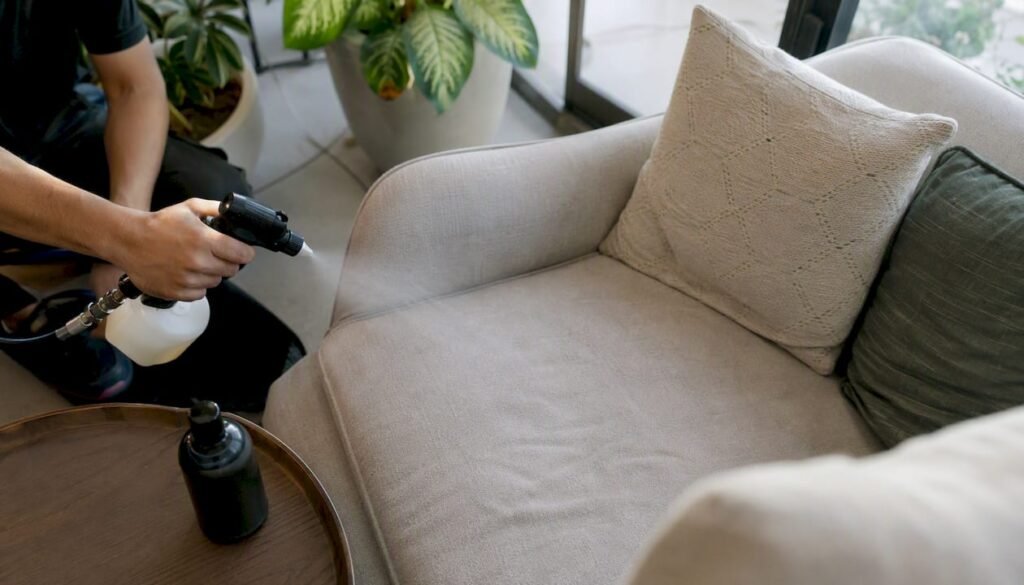
Fabric protection works by coating fibres with a low-energy barrier that causes liquids to bead on the surface rather than soak straight in, buying you time to blot a spill before it becomes a stain. For homeowners with kids, pets, or light-coloured upholstery, that time buffer is genuinely useful. The Electrodry fabric protection guide confirms that protection delays absorption, improves cleaning results, and delivers the most value on absorbent natural fibres. 3M’s Scotchgard is the most widely recognised consumer product in this category; Guardsman is the version you’ll often see offered as a retail add-on when buying furniture. Independent testing from Consumer Reports consistently finds that products vary widely in durability, and that professional application tends to outperform consumer aerosols on longevity.
Table of Contents
- How does fabric protection actually work?
- What are the real benefits for homeowners?
- What fabric protection won’t do
- Which fabrics benefit most, and when is it worth it?
- How long does protection last, and when should you reapply?
- How to apply fabric protection safely
- Will protection change how your fabric looks or feels?
- When should you hire a professional?
- Key takeaways
- The case for treating protection as maintenance, not a one-off
- Professional fabric protection for your vehicle on the Sunshine Coast
- Useful sources
How does fabric protection actually work?
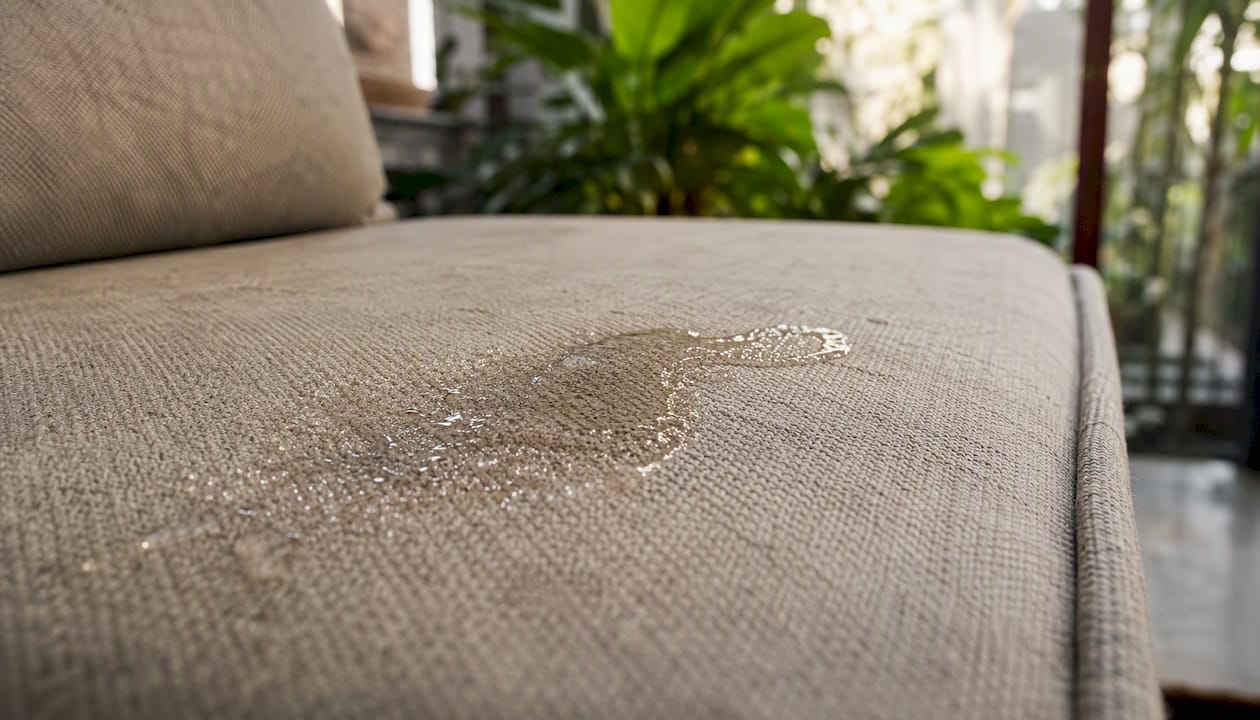
The coating lowers the surface energy of the fabric so that water and oil-based liquids form a high contact angle and bead rather than spread. Think of it like a microscopic umbrella over each fibre: liquid sits on top long enough for you to wipe it away.
Two chemistries dominate the market:
- Fluoropolymers — (the chemistry behind Scotchgard) repel both water and oil, making them effective against a wide range of household spills.
The SMK Carpet Cleaning guide explains the practical difference between water-based and solvent-based protectors: water-based formulas suit many synthetics and are low-odour, while solvent-based professional treatments penetrate deeper into the fibre. Neither chemistry makes fabric stain-proof. What they do is slow absorption, which is the difference between a spill you can blot clean and one that sets permanently.
Pro Tip:Apply protection only to clean fabric. Coating dirty fabric locks soil into the fibre and reduces effectiveness significantly — a point repeated by both manufacturers and professional cleaners.
What are the real benefits for homeowners?
Fabric protection earns its keep in four practical ways.
Stain delay is the headline benefit. A liquid spill on treated fabric stays on the surface for long enough that a quick blot removes most of it. On untreated cotton or linen, the same spill can penetrate within seconds.
Easier cleaning follows from that delay. The Carpet & Rug Institute notes that protection reduces soil bonding and abrasive wear, which means routine cleaning removes more dirt with less effort and less risk of damaging the fibre.
Slower oil uptake matters more than most homeowners expect. Body oils from regular sitting gradually darken and stiffen fabric; a fluoropolymer barrier slows that process noticeably on high-contact seat surfaces.
Preserved appearance is the cumulative result. Fabric that resists soiling and cleans up more easily simply looks better for longer, which stretches the interval between professional cleans and delays the point at which you consider replacing the piece entirely. Replacing a sofa costs far more than a protection treatment, so the maths tends to favour protection on any piece you plan to keep for several years.
What fabric protection won’t do
Protection is not a stain-proof coating, and treating it as one leads to disappointment. Here are the situations where it falls short:
- Some cleaning products strip the coating. Solvent-based cleaners and high-alkaline detergents can remove protection in a single clean, which is why the Scotchgard application guide recommends reapplying after every professional clean.
Consumer Reports testing reinforces the point: “stain-proof” claims on consumer packaging are routinely overstated. Fast response to a spill still matters more than any coating.
Which fabrics benefit most, and when is it worth it?
Natural fibres absorb liquid fastest, so they benefit most from protection. Synthetics are more resistant by nature but still benefit on high-contact surfaces. Built-in performance fabrics are a different category entirely.
| Fabric type | Absorbency | Benefit from spray-on protection | Notes |
|---|---|---|---|
| Cotton, linen | High | High | Most vulnerable; protection buys meaningful time |
| Wool | Medium–high | High | Also benefits from dye-blocking in pro formulas |
| Polyester, nylon | Low–medium | Moderate | Still useful on seat surfaces and light colours |
| Sunbrella (solution-dyed acrylic) | Very low | Low | Built-in UV and moisture resistance; spray adds little |
| Crypton | Very low | Low | Barrier is fibre-integrated; aftermarket spray largely redundant |
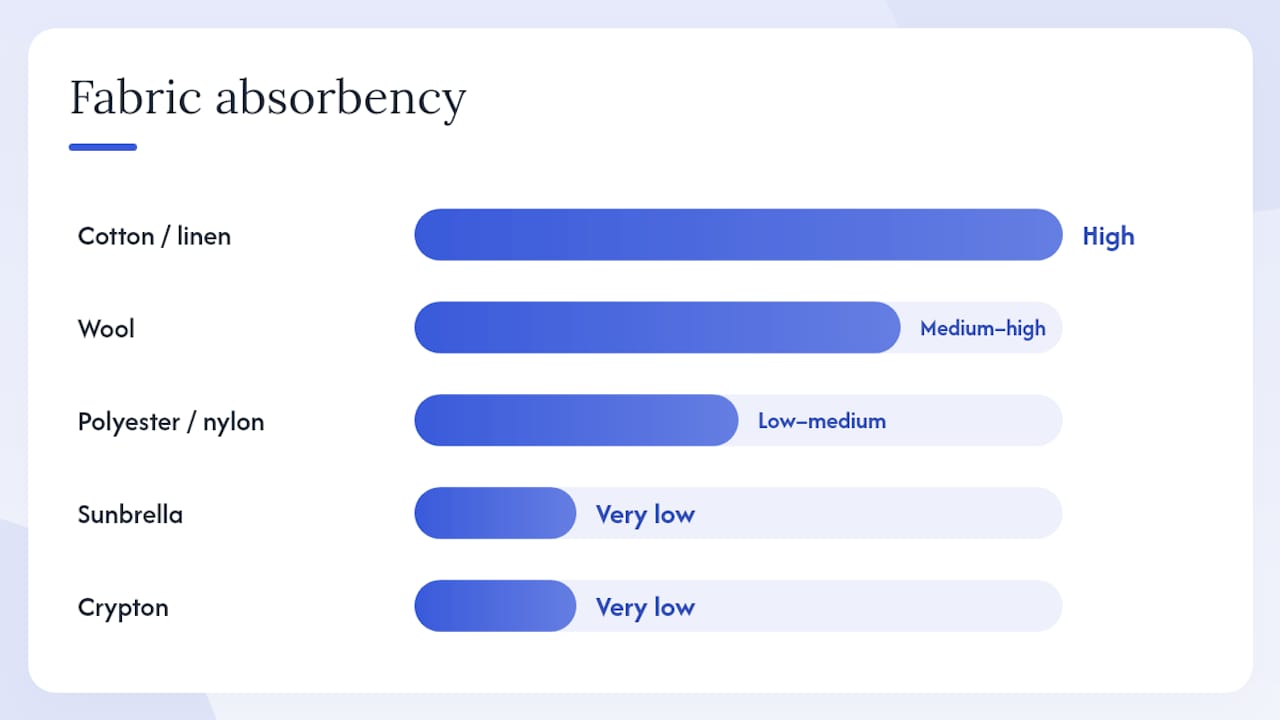
StitchDesk’s upholstery guide puts the performance gap clearly: built-in performance fabrics like Crypton and Sunbrella outperform spray-on protectors by roughly 3x for stain resistance because the protection is integrated into the fibre rather than sitting on the surface. If you’re buying new upholstery and stain resistance is a priority, choosing a Crypton or Sunbrella fabric is more effective than any aftermarket spray.
For existing upholstery, the priority order is straightforward. Protect light-coloured, high-contact seating first, particularly anything with a cotton or linen component. Occasional-use accent chairs in low-traffic rooms are lower priority. Homes with children or pets should treat all regularly used seating.
Guardsman fabric protection is worth considering when buying new furniture from a retailer, partly because it creates an invisible barrier and sometimes includes a warranty option, but read the warranty terms carefully before paying a premium for it.
How long does protection last, and when should you reapply?
Lifespan depends heavily on whether the treatment is consumer or professional grade.
| Treatment type | Typical lifespan | Notes |
|---|---|---|
| Consumer aerosol (e.g. Scotchgard spray) | 3–6 months on seat surfaces | Wears faster with frequent use |
| Water-based DIY protector | 12–18 months typical lifespan | Suits synthetics; low odour |
| Professional application | 12–24 months typical lifespan | Calibrated equipment, deeper penetration |
| Solvent-based professional treatment | 3–5 years typical lifespan | Deeper fibre penetration; longer-lasting |
| Built-in performance fabric (Crypton, Sunbrella) | lasts as long as the fabric itself | Does not degrade with cleaning |
Stain Kings reports that professional-grade protectors can last 12–24 months, compared with 3–6 months for consumer aerosol coatings on high-contact surfaces. The 3M Scotchgard guidance recommends reapplying every six months or after every professional clean, whichever comes first.
The simplest reapplication trigger: pour a few drops of water on the fabric. If it beads and rolls off, protection is still active. If it soaks in within a few seconds, it’s time to reapply. For vehicle interior maintenance, seat surfaces typically need attention more frequently than door trims or headliners.
How to apply fabric protection safely
Follow these steps for a safe, effective result at home.
- Test for colourfastness. Spray a small amount on a hidden area (under a cushion or on the back of the piece) and let it dry fully. Check for darkening or colour change before treating the whole piece. Clever Cleaning’s household guide recommends this step without exception.
Pro Tip:For vehicle seat fabric, the same rules apply — clean the seat thoroughly before any application. Isaac’s Pro Detailing’s car interior cleaning guide covers the prep steps in detail.
Will protection change how your fabric looks or feels?
Applied correctly, most fabric protectors are undetectable once dry. The feel difference is negligible on standard upholstery fabrics. That said, a few things can go wrong.
Slight darkening is the most common issue, particularly on light-coloured or natural-fibre fabrics. Scotchgard’s own guidance acknowledges that consumer sprays can darken fabric slightly. This usually fades as the product cures, but it’s exactly why the colourfastness test in step 3 above matters.
Stiffening happens with over-application. One heavy coat is the most common DIY mistake; two light coats give the same coverage without the stiff, papery feel.
Wrong product for the fabric causes the most noticeable adverse changes. A solvent-based protector applied to a delicate fabric can cause permanent colour shift. Always match the product to the fabric type and cleaning code.
If the test patch looks fine after drying, the full application almost certainly will too.
When should you hire a professional?
Consumer sprays work adequately on standard polyester or blended upholstery. For anything more demanding, professional application is worth the cost.
- Vehicle interiors — are a strong case for professional service. Car seat fabric sits in a confined space with UV exposure, body oils, food spills, and pet hair — a combination that degrades consumer sprays quickly.
Professional application uses calibrated sprayers and brushing technique to achieve even coverage and fibre penetration, which is why professional treatments last substantially longer than consumer aerosols. Isaac’s Pro Detailing offers on-site fabric and leather protection for vehicle interiors across the Sunshine Coast, using eco-conscious products and a mobile workflow that means no drop-off required. Their car fabric protection workflow outlines exactly what a professional application covers.
Key takeaways
Fabric protection works best as practical insurance: it buys time after a spill, reduces soil bonding, and extends the life of upholstery — but fast response to spills still matters more than any coating.
| Point | Details |
|---|---|
| Clean fabric first | Applying protection over dirt locks soil in and reduces effectiveness permanently. |
| Consumer vs professional lifespan | Consumer aerosols last 3–6 months on seat surfaces; professional treatments last 12–24 months. |
| Natural fibres benefit most | Cotton and linen absorb fastest; built-in performance fabrics like Crypton and Sunbrella rarely need aftermarket sprays. |
| Reapplication trigger | If water no longer beads on the surface, protection has worn and reapplication is due. |
| Isaac’s Pro Detailing | Offers mobile, on-site fabric protection for vehicle interiors across the Sunshine Coast with eco-conscious products. |
The case for treating protection as maintenance, not a one-off
Most homeowners apply fabric protection once and forget it. That’s where the disappointment comes from. The products work, but they wear, and the surfaces that need them most (seat cushions, car seats, kids’ furniture) are exactly the ones that wear protection fastest.
The more useful mental model is to treat protection the same way you treat a car service: scheduled, not reactive. Reapply after every professional clean, check beading annually on high-contact pieces, and prioritise natural-fibre and light-coloured upholstery over synthetic accent pieces that are already more resistant.
For vehicle interiors, the argument for professional application is stronger than most people realise, as detailed in this clean engine bay: safe steps and ceramic protection guide that covers automotive detailing best practices. Car seats face a combination of UV exposure, body oils, and confined-space humidity that consumer sprays simply aren’t formulated to handle long-term. A professional treatment with a deeper-penetrating formula, applied to properly cleaned fabric, will outlast three or four rounds of DIY aerosol and protect the resale value of the vehicle in the process.
The products that consistently deliver on their claims — Scotchgard for consumer use, Guardsman as a retail add-on with warranty, Crypton and Sunbrella for built-in performance — all work on the same principle: lower surface energy, slower absorption, more time to act. The difference between them is durability and depth of penetration, not magic.
Professional fabric protection for your vehicle on the Sunshine Coast
If you’d rather skip the DIY and have it done properly the first time, Isaac’s Pro Detailing comes to you. The mobile service covers fabric and leather protection for vehicle interiors across the Sunshine Coast, with no drop-off and no waiting around.

A typical appointment includes seat and carpet extraction to clean the fabric before application, professional-grade fabric protection treatment, and post-application care advice so you know exactly when to reapply. Eco-conscious products are used throughout. For Sunshine Coast vehicle owners who want protection that actually lasts, this is the straightforward option. Book a mobile detailing appointment or check the full service menu and pricing to find the right package for your vehicle.
Useful sources
- Scotchgard™ Fabric Water Shield – How to fabric upholstery protector
- Upholstery fabric protection sprays (StitchDesk)
- Does Scotchgard really protect carpets and sofas? (Stain Kings blog)
- What is Fabric Protection, and is it Worth Paying For? (Electrodry)
- What Is Fabric Protection? How It Works, Costs In Australia – SMK Carpet Cleaning
- Guardsman fabric protection explained: do you need it? (WFC blog)
- Cleaning and maintenance (Carpet & Rug Institute)
- Laundry and cleaning (Consumer Reports)
- Upholstery protection: how to keep furniture cleaner longer (Clever Cleaning)